



Overcrowding means detainees have limited movement, sleeping spaces and ventilation; and compete with access to water, sanitary facilities and healthcare. Overcrowding also means disease-causing bacteria and viruses spread faster among detainees, their visitors, and jail staff.
However, addressing these health issues in detention is another problem. Prior to 2024, there was no standard medical recording in place in BJMP jails. Detainees’ health records were disorganized. Information from consultations were written in loose sheets of papers; these were stored in places where they could easily be accessed, destroyed or lost. The lack of a standard recording system also meant that reliable health data was unavailable, making it hard for the authorities to make decisions in connection to the delivery of basic healthcare to detainees.
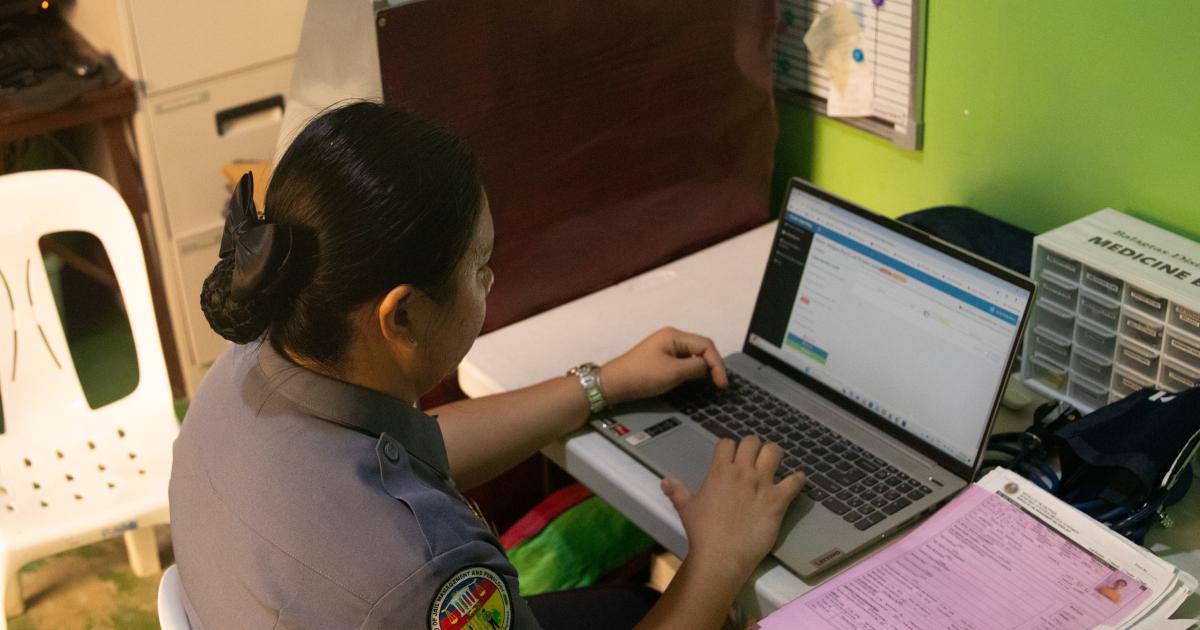
The situation led the BJMP to work with the International Committee of the Red Cross (ICRC), an international humanitarian organization with long experience in working in detention facilities around the world, to come up with the Health Information System (HIS), where standardized patient forms, similar to those available in hospitals, are used in jails. The HIS is now being implemented in all BJMP jails nationwide where around 116,000 people are detained.
We acknowledge Source link for the information.