




Saudi Arabia occupies a unique position in the Muslim world. It is home to Mecca and Medina, the two holiest sites in Islam, toward which nearly two billion Muslims worldwide turn in prayer. This central religious role gives the Kingdom’s social and political choices a symbolic weight that extends far beyond its borders.
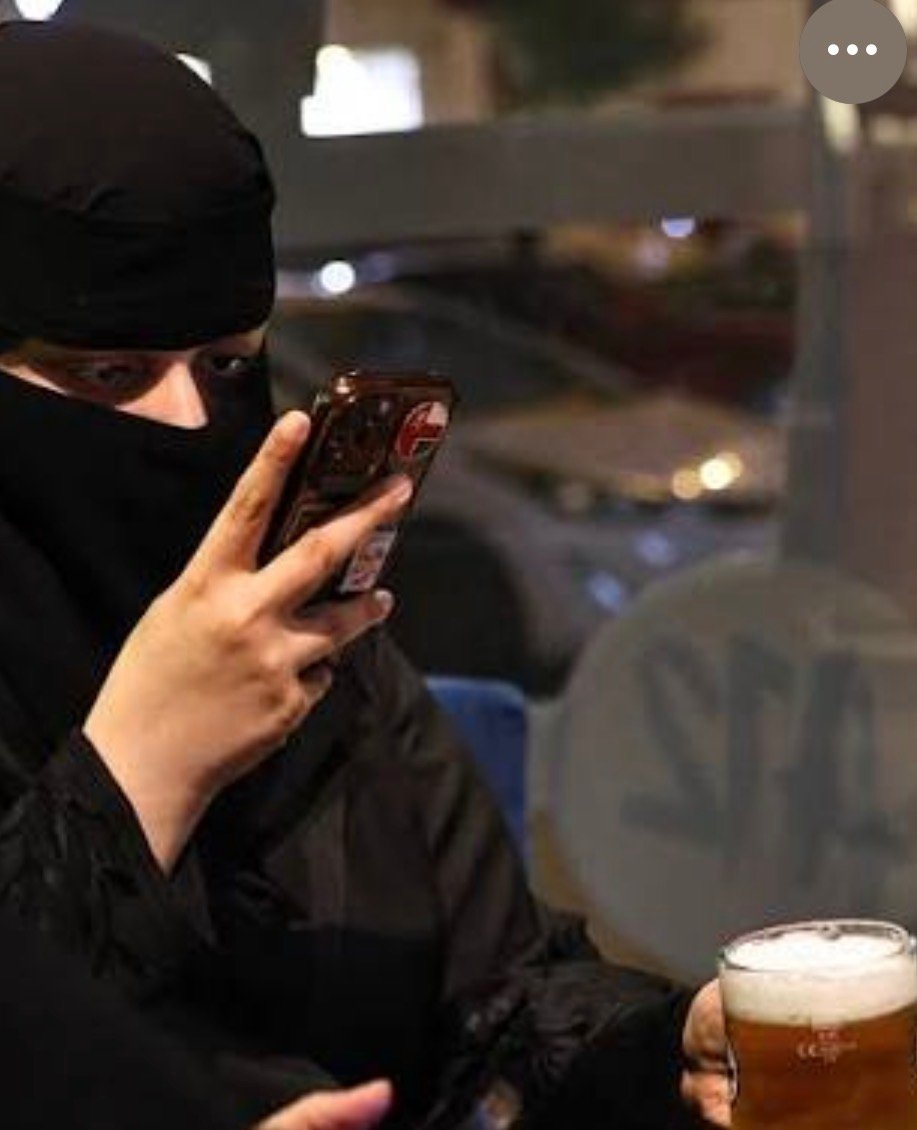
It is within this context that a recent, discreet policy shift has drawn attention. After maintaining a total ban on alcohol since 1952, Saudi authorities have begun allowing limited access to alcohol for certain non-Muslim foreign residents, under strict conditions and in tightly controlled locations in the capital. This development remains experimental and geographically restricted, but its implications are significant.
The move comes at a time of profound economic transformation and raises questions about how religious reference points, governance and global economic competition are being reconciled.
A Religious Prohibition Clearly Established
In Islam, the prohibition of alcohol is explicit and broadly agreed upon. The Qur’an states:
“O you who believe! Intoxicants, gambling, sacrificial stones and divining arrows are an abomination of Satan’s handiwork. Avoid them so that you may prosper.”
(Surah Al-Ma’idah, verse 90)
Prophetic traditions extend this prohibition beyond consumption to include production, sale, transport and profit derived from alcohol. From a theological standpoint, the ban is presented as general in nature and not dependent on nationality, wealth or social status.
For decades, Saudi Arabia justified its strict legal framework on this basis, presenting it as an expression of adherence to a conservative interpretation of Islamic law.
A Differentiated Application Without Doctrinal Change
The recent adjustment does not alter the prohibition for Saudi citizens or for Muslims. Instead, it introduces a narrow administrative distinction: access to alcohol is permitted only for selected non-Muslim foreigners, primarily within the diplomatic district of Riyadh, under close supervision and without public visibility.
No official religious reinterpretation has been announced. The measure is framed as a regulatory accommodation rather than a doctrinal shift, allowing the Kingdom to maintain the formal religious ban while introducing limited exceptions.
Vision 2030 Under Pressure
This evolution cannot be separated from Vision 2030, the ambitious economic transformation plan spearheaded by Crown Prince Mohammed bin Salman. The program aims to diversify the Saudi economy, reduce dependence on oil revenues and reposition the country as a global hub for investment, tourism and services.
Attracting foreign capital and international talent has become a strategic priority. In a highly competitive regional environment—particularly in comparison with the United Arab Emirates, long viewed as offering a more flexible lifestyle and regulatory framework—Saudi Arabia has introduced a series of social and economic adjustments.
The controlled authorization of alcohol for a limited group of foreigners fits into this broader strategy. It signals how far the Kingdom is willing to go to preserve the credibility and momentum of Vision 2030, even if this involves making exceptions to long-standing religiously justified prohibitions.
Between Religious Centrality and Economic Pragmatism
The fact that this policy shift concerns a country that hosts the most sacred sites of Islam gives it particular resonance. While it does not amount to a general legalization of alcohol or an official abandonment of religious norms, it highlights the growing tension between Saudi Arabia’s spiritual centrality and the practical demands of a globalized economic model.
For now, the measure remains limited, experimental and carefully managed. Its future—whether expanded, maintained or reversed—will be closely watched by investors, policymakers and Muslim communities worldwide.
What it already illustrates is the complexity of the choices facing Saudi Arabia as it seeks to balance religious identity, political authority and economic ambition in an increasingly competitive global landscape.