



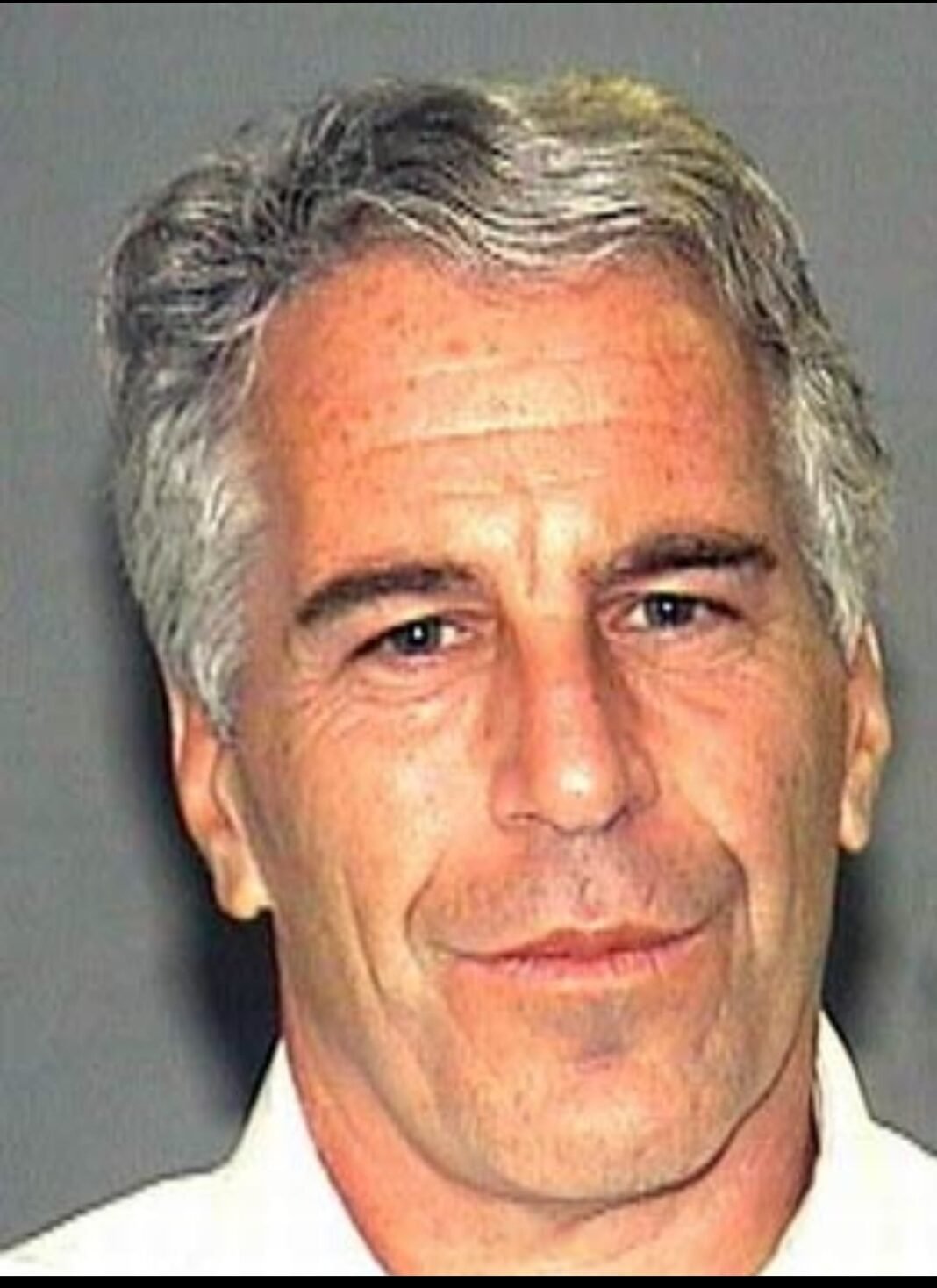
Jeffrey Epstein was not predestined to become one of the most connected men on the planet. Born in 1953 in a modest neighborhood of Brooklyn, the son of a municipal employee, he grew up far removed from the circles of influence he would later frequent. Yet his trajectory illustrates a meteoric ascent into the most exclusive spheres of economic, academic and political power in the Western world.
In the late 1970s, Epstein joined Bear Stearns, a prominent New York investment bank. Despite lacking a completed university degree, he managed to establish himself in a highly competitive environment. This first immersion into high finance provided him with two decisive assets: a sophisticated understanding of complex financial instruments and, above all, access to immense fortunes. After leaving the bank in the early 1980s—under circumstances that never led to criminal charges but remained opaque—he founded his own private wealth management firm. He claimed to work exclusively with billionaires. His model was built on scarcity and discretion, two elements that reinforced his aura.
His relationship with billionaire Leslie Wexner marked a major turning point. Founder of a vast retail empire, Wexner entrusted Epstein with the management of a significant portion of his assets. This proximity granted Epstein newfound credibility within ultra-wealthy circles. Wexner has never been charged in connection with Epstein’s crimes, though their past relationship has been subject to intense public scrutiny. The episode illustrates how the trust of a central financial figure can open the doors to an expanded network of power.
Beyond finance, Epstein pursued a deliberate strategy of social infiltration. He invested in the academic and scientific world, funded research projects, and cultivated relationships with scholars affiliated with prestigious institutions such as Harvard and MIT. He hosted private dinners bringing together scientists, investors and political decision-makers. This targeted philanthropy allowed him to acquire institutional respectability. After his arrest in 2019, several universities acknowledged having accepted donations from Epstein—even after his 2008 conviction—and publicly issued apologies. This academic dimension reveals how money can purchase not only access, but also moral legitimacy.
At his side was Ghislaine Maxwell, daughter of British media magnate Robert Maxwell. Coming from an influential aristocratic and media background, she played a decisive role in structuring Epstein’s social network. Introduced into London’s political and high-society circles, she facilitated introductions and participated in mechanisms later examined by the courts. In 2021, a federal jury found her guilty of sex trafficking of minors and conspiracy. In 2022, she was sentenced to twenty years in prison. To date, she remains the most significant criminal conviction directly tied to the Epstein network.
The first major investigation dates back to 2005 in Florida, when allegations of sexual exploitation of minors surfaced. In 2008, a federal non-prosecution agreement was negotiated under U.S. Attorney Alexander Acosta. Epstein pleaded guilty to reduced charges and served approximately thirteen months in custody under unusually lenient conditions, including daily work release privileges. The agreement included a broad immunity clause protecting potential co-conspirators, and the victims were not informed of the deal. This episode became emblematic of what many perceived as exceptionally favorable judicial treatment. When the case resurfaced in 2019, Acosta—by then U.S. Secretary of Labor—resigned under political pressure.
The case reached a decisive turning point in 2018 thanks to investigative reporting by the Miami Herald, particularly journalist Julie K. Brown. Her work exposed the flaws in the 2008 agreement and gave renewed voice to the victims. In July 2019, Epstein was arrested at Teterboro Airport in New Jersey. The federal charges were severe, reigniting international outrage.
One month later, he was found dead in his cell at the Metropolitan Correctional Center in New York. The official conclusion ruled suicide. However, documented failures—including malfunctioning surveillance cameras, missed guard rounds and procedural errors—fueled widespread skepticism. The U.S. Department of Justice issued an internal report acknowledging serious institutional lapses and imposed administrative sanctions on certain correctional staff. Despite the official findings, public doubt remains significant.
The case quickly extended beyond U.S. borders. In the United Kingdom, Prince Andrew, Duke of York, faced a civil lawsuit filed by Virginia Giuffre. In 2022, he reached an out-of-court settlement without admission of guilt. No criminal conviction has been issued against him. In the United States, figures such as Donald Trump and Bill Clinton have been mentioned in court documents or flight logs. No criminal charges have been brought against them in connection with Epstein’s crimes. The distinction between social proximity and criminal implication remains essential in assessing the scope of released documents.
The financial dimension represents another crucial aspect of the case. Institutions such as JPMorgan Chase and Deutsche Bank reached financial settlements to resolve civil lawsuits concerning their banking relationships with Epstein after his 2008 conviction. These settlements do not constitute criminal convictions but underscore the institutional dimension of the scandal. They demonstrate that the case involves not only individuals but also financial compliance mechanisms and regulatory oversight failures.
In France, modeling agent Jean-Luc Brunel was arrested in 2020 as part of an investigation into rape and sexual assault. He was found dead in detention in 2022, ending the criminal proceedings against him. Additionally, a financial investigation has targeted former minister Jack Lang and his daughter over suspicions of aggravated tax fraud laundering linked to financial flows associated with Epstein. At this stage, no criminal charges for sexual offenses have been announced against them.
Beyond the individuals mentioned, the Epstein affair reveals a broader mechanism. It exposes the social protection that ultra-wealthy individuals may benefit from through strategic philanthropy, academic networks and political connections. It highlights institutional inertia when an individual operates within powerful circles of influence. It raises fundamental questions about the ability of democracies to guarantee genuine equality before the law, regardless of financial or relational capital.
The victims have played a decisive role in the persistence of the case. Their mobilization, combined with investigative journalism, prevented the story from disappearing after 2008. Civil proceedings, compensation funds and financial settlements that followed constitute partial recognition of the harm endured.
Today, the Epstein affair remains a global case study. It demonstrates how money, power and respectability can converge to delay judicial action. It also shows that institutions, under sustained public and media pressure, may eventually reexamine past decisions. More than an individual scandal, it offers a revealing portrait of contemporary elites and their vulnerabilities.

