



Powered by RTX
Looking to the future of EU aviation through collaboration
Ambition alone is not enough. European Union’s aerospace policy must champion clean technologies, research leadership, and international cooperation to remain at the cutting edge. Find out more.
—————————————————————————————————–
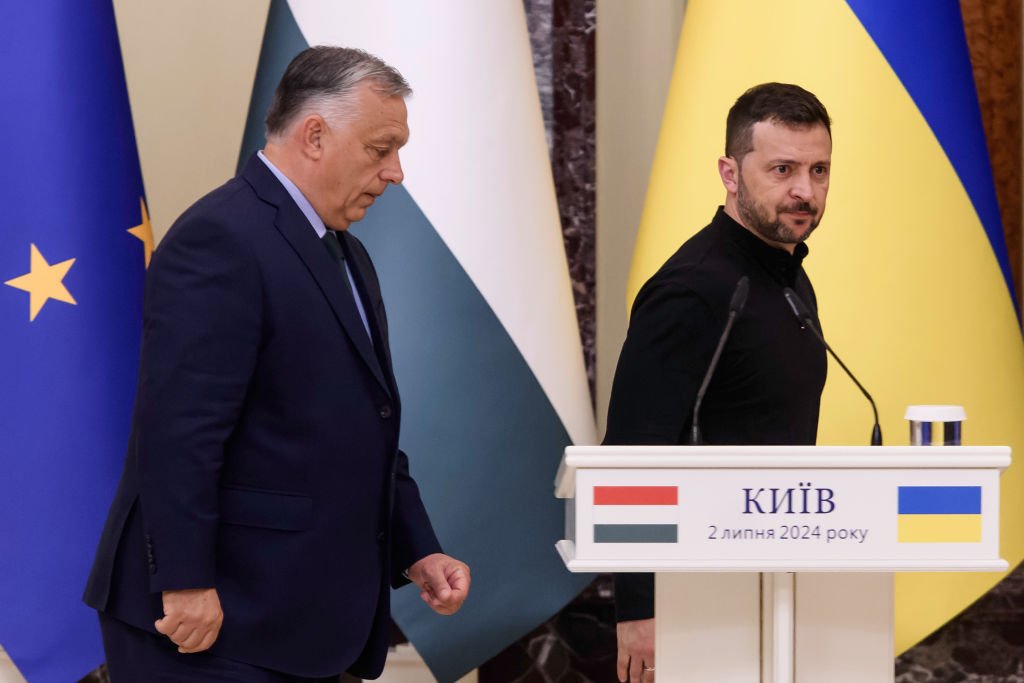
Floundering a few weeks out from a crunch national election, Hungary’s Viktor Orbán is making pipeline-pumped oil a key topic of his renewed run for office. But the dynamics coming with it aren’t exactly new.
The European Commission has been forced to intervene in the stand-off between Budapest and Kyiv, pledging to dispatch a fact-finding mission to inspect the Soviet-era Druzhba oil pipeline in an effort to ease a spat that is – at least partly – holding up a major EU financial package for Ukraine.
To recap, Hungary has been blocking approval of a €90 billion EU loan for Kyiv, arguing the Ukrainians are moving much too slowly to repair the energy link that lets Russian oil flow to Hungary via Ukraine. Kyiv says the damage, caused by Russia in January, was tough to fix – and denied that a delegation, dispatched by Budapest, had any official status.
Things have quickly spun out of control, with Orbán deploying the military to guard energy infrastructure and wading further into a war of words with Ukrainian President Volodymyr Zelenskyy.
That puts the EU executive in a familiar position, between-a-rock-and-a-hard-place.
Just ask Maroš Šefčovič. The Commission’s veteran troubleshooter spent many hours brokering talks between Kyiv, Moscow and transit states over energy supply when he was in charge of the energy portfolio between late 2014 and 2019.
And before him came Günther Oettinger, the German former energy commissioner, who was forced to find a fix when Hungary’s gas transit system operator suspended deliveries of reverse-flow pipeline supply to Ukraine, while Kyiv and Moscow were haggling over delivery terms. That was back in 2014, when Russia annexed Crimea and Orbán won his third stint as prime minister.
Now, Denmark’s Dan Jørgensen is in the energy policy hot seat: A meeting with a Ukrainian delegation in Brussels next Monday could herald a breakthrough. If it doesn’t, the pipeline will surely be a subject of discontent on the agenda of next Thursday’s EUCO summit, where the leaders of all 27 EU countries meet to discuss the bloc’s energy supply.
Social post of the week
The week across Euractiv’s policy desks
Tech – Europe Inc
This week, Maximilian Henning scooped an eagerly anticipated startup reform plan ahead of its formal unveiling next Wednesday. The so-called 28th regime – aka EU Inc – aims to simplify rules for European startups, which otherwise face a patchwork of national company laws. The draft answered a key point: namely, which legal basis the Commission would pick. That’s important because it points to how ambitious the reform can be. Later in the week, Max also got his hands on the full draft text of EU Inc – giving Europe’s entrepreneurs more reasons to be cheerful. – Natasha Lomas
EXCLUSIVE: EU Inc draft shoots for a regulation
The European Commission will propose a regulation to realise the startup-friendly 28th regime plan for…
3 minutes
Energy – Stopping the ‘super rats’
Agrifood – US makes soy threats
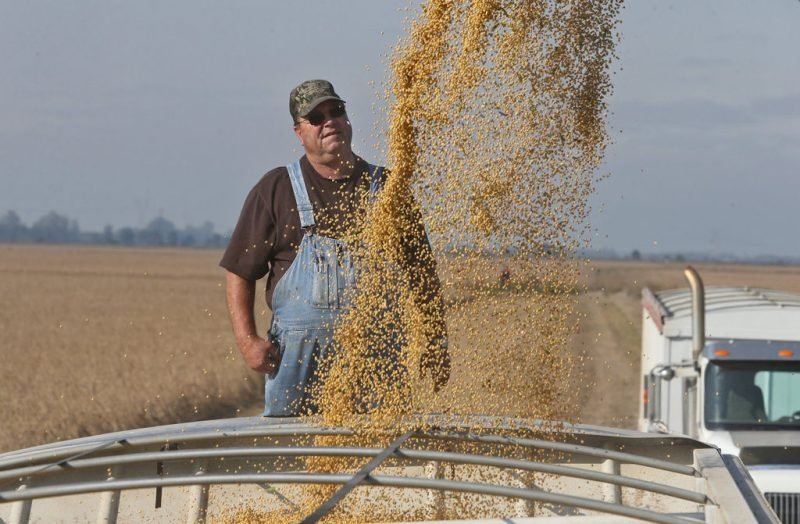
American officials have been touring Europe this week to push for favourable treatment under the EU deforestation law, and Sofia Sanchez Manzanaro got the scoop. On the final leg of its trip, in Brussels, the US delegation warned its EU counterparts that unless it changes the rules, the bloc could lose access to key agricultural imports from the US, such as soy. Given soy’s importance to the continent’s livestock sector, the warning added another sensitive point of contention to an already complicated transatlantic relationship. – Angelo Di Mambro
EU risks losing US soy imports under deforestation rules, Washington warns
The EU could lose access to key agricultural imports from the US if its deforestation…
3 minutes
Defence – Beefing up Belgium’s military
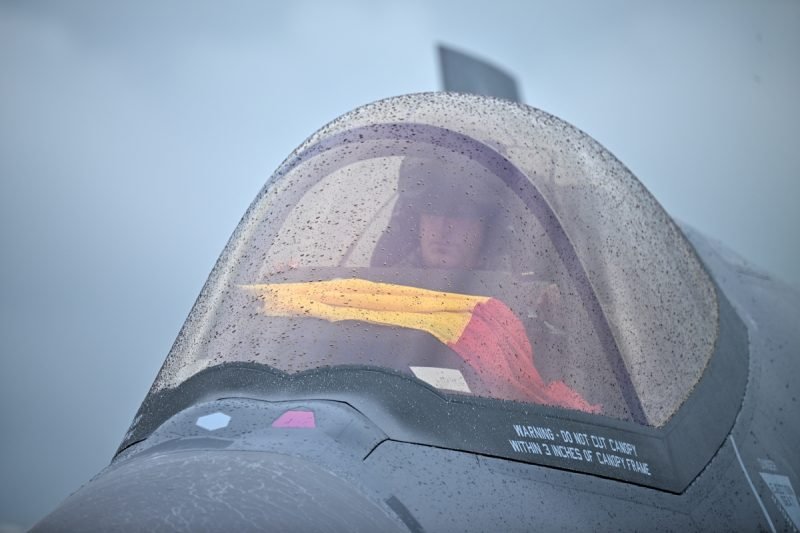
Belgium’s long history of defunding its military was in the spotlight this week as the country kicked off its first defence industry conference, with over 200 defence-related companies attending. The country plans to double its domestic industry in the next five years, Defence Minister Theo Francken said. Still, as Kjeld Neubert reports, Belgium remains one of the lowest military spenders within the NATO alliance, and the country has virtually no air defence. – Cristina Maza
Belgium’s race to bring its military up to speed
Like many of its neighbours, Belgium is in a race to prepare its military for…
3 minutes
Health – Far-right threats to abortion funding
The “My Voice, My Choice” abortion initiative – adopted by the European Commission to allow member countries to use EU funds for safe, legal abortion access – faces a challenge as the far-right ECR pushes to exclude it from future financing, Thomas Mangin reported. Pressure from the ECR group has postponed the 2027 budget vote, while Socialists and Greens warn that renewed debate could cost centre-right EPP support for the initiative. – Sarantis Michalopoulos
(jp, vib, rh)
Source:
www.euractiv.com