



As the impetus grows to be militarily autonomous, Europe is pumping political capital and cold cash into initiatives that will boost its defence industries and – in time – create a more unified bloc. Such is the vision behind a flurry of programmes that steer towards ‘readiness’.
But unveiling funding instruments is one thing; getting national contractors to collaborate on building the all-important hardware requires more than just money. The Future Combat Air System (FCAS) should serve as a warning, after Berlin and Paris finally pulled the plug on the €100 billion scheme.
What set out to be a bridge between Europe’s two main powers, FCAS has in fact only illuminated the gulf between German and French military interests.
For years, France’s Dassault and Germany’s Airbus Defence had wrangled, with a fragile compromise granting Dassault leadership in developing the jet while Airbus (and to a lesser extent Spain’s Indra) would take charge of other aspects of the system – a ‘combat cloud’, unmanned accompanying drones and sensor technology.
This arrangement fell apart when the fighter jet development stalled due to insurmountable industry differences and diverging political views on the fighter’s specifications. Paris pressed for jets that could carry nuclear warheads and take off from its aircraft carrier, while Germany wants to focus on long-range air superiority.
And although the other components – namely the combat cloud and unmanned drones – might live on, the FCAS label is now shorthand for bad blood rather than industrial cohesion. Of the seven pillars that made up the grand project, France only led on jets; it’s hard to see how the other elements could continue with one of the two core partners effectively demoted to “contributor”.
Moreover, FCAS was conceived in 2017 alongside a next-generation Franco-German tank, dubbed the Main Ground Combat System (MGCS). As one specialist told Euractiv’s Kjeld Neubert, “From the very beginning in 2017, the two projects FCAS and MGCS were a package deal.” Failure on the aerial enterprise could therefore spell disaster for the ground defences.
And while these landmark collaborations took shape independently of the European Commission, they nonetheless tell a cautionary tale of how partnerships designed to be “too big to fail” become all the more toxic when multi-billion-euro contracts clash with commercial and political interests.
The week from Euractiv policy desks
Tech – Driving forward on sovereignty
Germany’s Digital Minister Karsten Wildberger talked to the tech desk’s Théophane Hartmann about EU industrial policy on the sidelines of the telecoms Council in Luxembourg this week, urging the bloc to go faster in expanding key AI infrastructure but also stressing the need to be strategic in approaching gigafactory build-outs. The remarks came hard on the heels of the Commission setting out a long-awaited tech sovereignty package.
And while Wildberger expressed support for a French and Polish-led push to put a sovereignty spin on these massive AI hubs by making gigafactories into testing grounds for European tech, he counselled against crimping the access of US suppliers if the bloc wants to become a contender in the global AI race. Time is of the essence, he also warned, stressing: “The most undervalued currency these days is not euros or dollars – it’s time.” – Natasha Lomas
INTERVIEW: German digital minister calls for swift, smart and symbiotic tech sovereignty
LUXEMBOURG-CITY – To advance tech sovereignty, Europe must move quickly to strategically support EU firms…
3 minutes
Energy, environment & transport – EU settles ETS for fuel
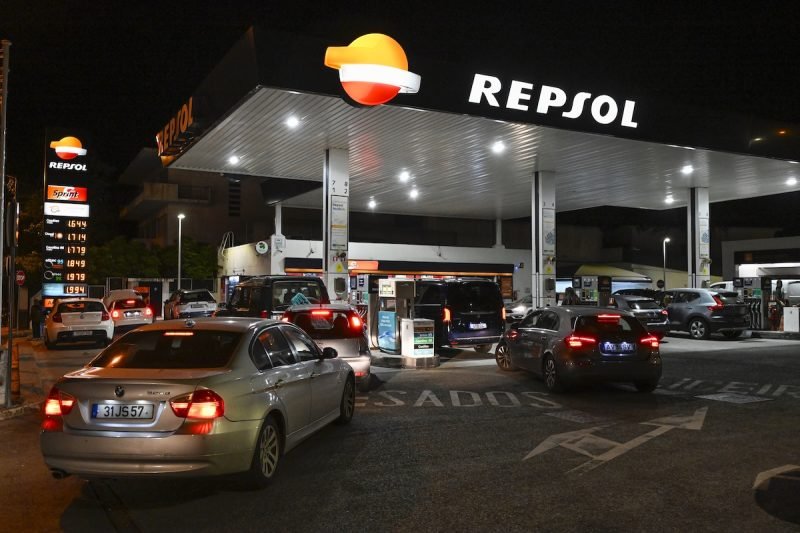
Ten cents may seem a trivial amount compared to how much the price of petrol has gone up since the Trump/Netanyahu adventure in Iran closed the Persian Gulf to shipping three months ago. But that’s the indirect result of a cap the EU has decided to put on a ‘carbon price’ for motor and heating fuels, due to kick in in 2028, where a permit to emit a tonne of CO2 will cost no more than €45. The ten cents is the stick; the carrot is that capitals are expected to channel the revenues to less wealthy households, helping them switch to electric cars and heat pumps, and renovate their homes to save money in the long run. – Robert Hodgson
EU seals €45 price cap for controversial fuel carbon tax
The EU has strengthened its ability to intervene in its new emissions trading system to…
2 minutes
Agri – EU farm chief unveils plans for €500 million farmer support package
On Tuesday, the Agrifood team sat with EU Agriculture Commissioner Christophe Hansen, who provided details on the financial allocations from the EU budget intended to protect farmers from the impact of the surge in fertiliser prices driven by the war in Ukraine. He also hinted at the unprecedented role that food produced in the EU is set to play in the upcoming Public Procurement Act. – Angelo Di Mambro
INTERVIEW: EU farm chief unveils plans for €500 million farmer support package
The EU’s farm chief said at least half a billion euros in direct support from…
3 minutes
Defence – Dutch military working with British firm for sovereign radio network
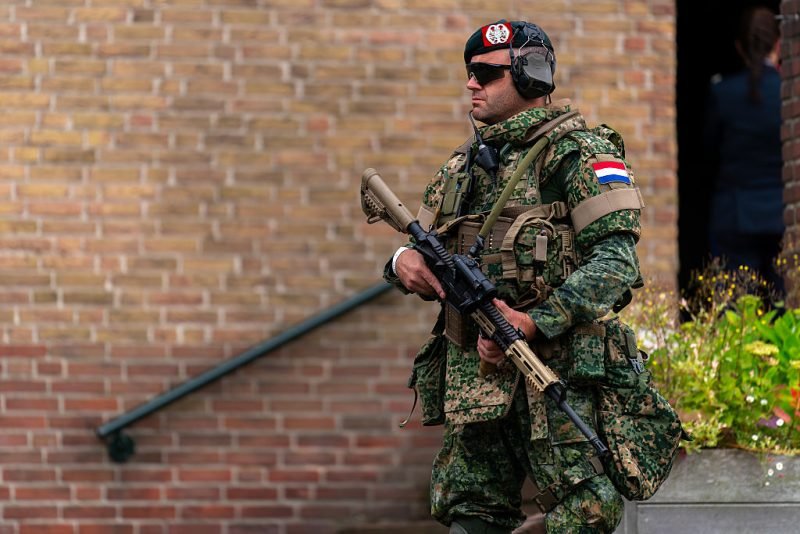
The Netherlands is working on a new sovereign communications system, designed to bring secure messaging to low-bandwidth military radios, and has picked a British company to lead work. The move comes as European governments increasingly seek alternatives to foreign-controlled communications platforms, with the project, developed with Matrix protocol developer Element, aiming to enable Matrix-based chat functionality over military radio networks. – Alice Tidey
Dutch military working with British firm for sovereign radio network
The Netherlands is working on a new sovereign communications system, designed to bring secure messaging…
5 minutes
Health – If you can’t stand the heat…
More than 200,000 lives have been lost to the “silent killer” of heat in Europe since 2022, the World Health Organization explained last week while presenting a new guide for Europe on how to live with extreme heat. That is why experts such as Sir Andy Haines, the British professor of environmental change and public health, are calling for climate change to be declared a “public health emergency of international concern”. Euractiv has interviewed him about this. – Brenda Strohmaier
WHO advises Europe on how to live with extreme heat
Europe must prepare for increasingly sweltering summers to avert preventable deaths, the World Health Organization…
2 minutes

Source:
www.euractiv.com