



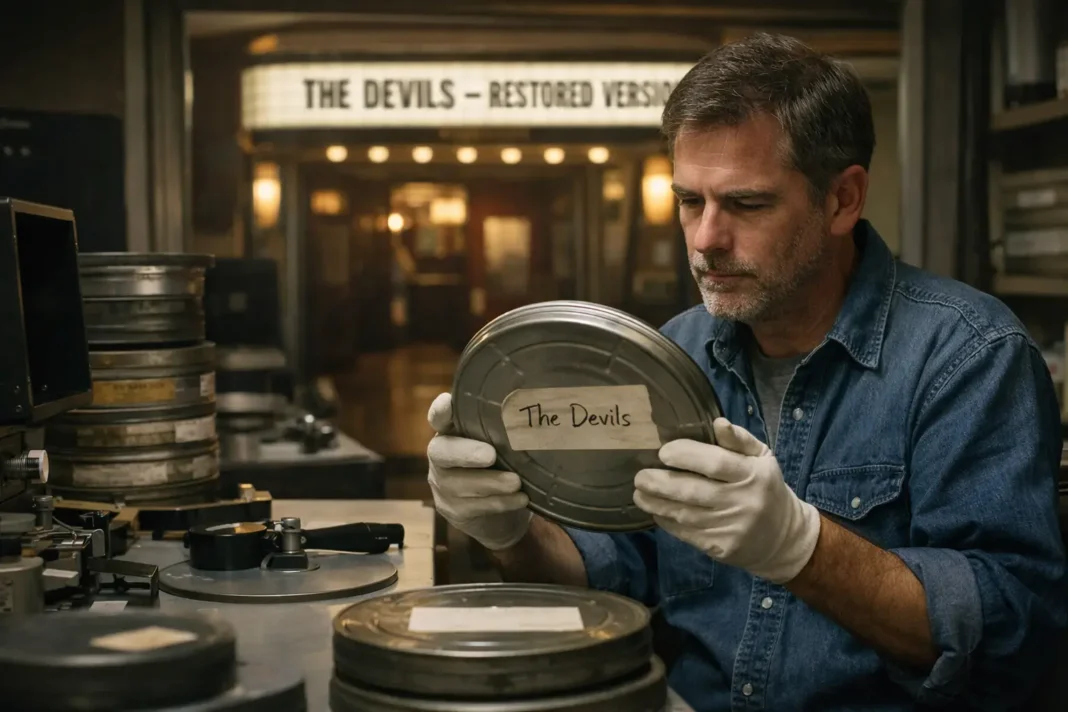
New director’s cut of Ken Russell‘s 1971 picture The Devils is set to reach cinemas from October 16, reintroducing material removed by censors for decades. The restored version incorporates sequences long withheld from public view, among them the sequence widely described as the film’s most provocative, and arrives with fresh debate about the work’s intentions and historical sources. Warner Bros is presenting the release after completing a restoration compiled from material recovered in studio archives.
The film dramatizes the 17th-century events at Loudun in western France, where a convent of Ursuline nuns reported unusual disturbances and possessions. At its centre is the priest Urbain Grandier, a figure depicted as both charismatic and controversial who was later tried and executed. Performances by Oliver Reed as Grandier and Vanessa Redgrave as the tormented Mother Superior Jeanne des Anges anchor Russell’s portrayal. The film frames the Loudun affair as a study in the overlap of religious authority and state power, and in its original release provoked bans and heavy cuts because of its intense imagery and sexual content.
The recovery of deleted material has its own history: film critic Mark Kermode located excised footage in the Warner archives in 2002, enabling Russell to assemble a director’s cut shown privately in 2004. The newly distributed restoration follows more than two decades before a wide theatrical rollout. When first screened in 1971 the film won recognition at the Venice Film Festival and earned Russell awards from bodies such as the National Board of Review, even as it drew sharp denunciations from outlets including L’Osservatore Romano and hostile reviews in the British press.
The historical Loudun possessions remain contested in scholarship: accusations of pacts with the Devil, public exorcisms and a trial that culminated in Grandier’s conviction and execution on 18 August 1634 are all part of the record. Russell’s adaptation also drew on earlier treatments of the episode, notably Aldous Huxley’s non-fiction account and John Whiting’s play, using them to explore how moral panic and political rivalries can shape public tragedy. The restored edition’s release has renewed interest in both the original events and the film’s sustained challenge to portrayals of institutional religion and state authority.
