



See All Key Ideas
The North Pacific Fisheries Commission (NPFC) approved a series of measures aimed at combating illegal, unreported and unregulated (IUU) fishing and improving stock assessments during its latest annual meeting in Osaka, Japan, April 14-17. However, several NGOs viewed the meeting as a step backward for fish stock management, calling out the commission’s failure to add protections for several vulnerable species and to halt bottom fishing in the Emperor Seamount Chain.
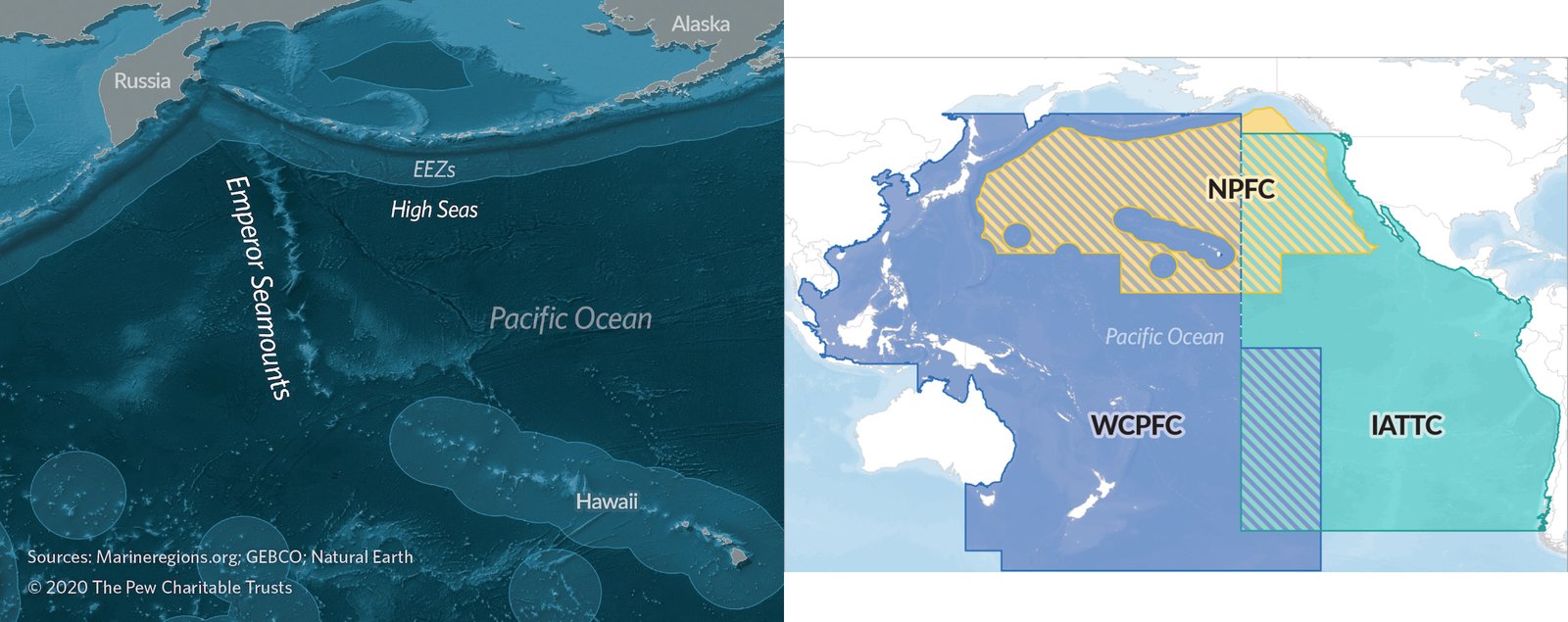
The NPFC protects marine ecosystems and non-tuna fish stocks in the high seas of the North Pacific Ocean and is one of four regional fisheries management organizations (RFMOs) in the Pacific. Its 10th annual meeting gathered the nine members — Canada, China, the European Union, Japan, South Korea, Russia, Taiwan, the United States and Vanuatu — along with 11 observer groups and Panama as a cooperating noncontracting party.
“It was a hard but a good week,” Gerald Leape, principal officer with the U.S.-based Pew Charitable Trusts’ international fisheries project, told Mongabay minutes after the closure of the meeting.
Combating IUU fishing
NPFC members agreed to adopt a shared system of minimum standards for port inspection, a move that targets IUU fishing. The decision brings the commission in line with the United Nations Food and Agriculture Organization’s Port State Measures Agreement (PSMA), a binding international agreement marking its 10th anniversary this year.
With the approval of this measure, commission members committed to implementing more stringent inspection standards and an information-sharing system to facilitate data exchange among ports, with the aim of “preventing, deterring and eliminating IUU fishing.”
According to Leape, from now on, the NPFC member parties “have to designate ports and set standards for their inspections and also set minimum numbers of vessels that they will inspect.”
This proposal was one of the most anticipated at the meeting. It brings the NPFC into alignment with the other three Pacific RFMOs: the South Pacific Regional Fisheries Management Organisation and the two bodies responsible for tuna fisheries, the Inter-American Tropical Tuna Commission and the Western and Central Pacific Fisheries Commission, all of which have already adopted similar measures. Its approval by NPFC effectively extends these rules across the Pacific.
During the meeting, the parties also approved a measure proposed by the European Union to introduce a harmonized system among convention members for collecting, managing and sharing data to monitor fishing activities. According to the NGO World Wide Fund for Nature (WWF), this could have positive effects on the convention’s capacity to carry out stock assessments evaluating the health and abundance of managed fish populations, deemed necessary to adopt fish species management measures.
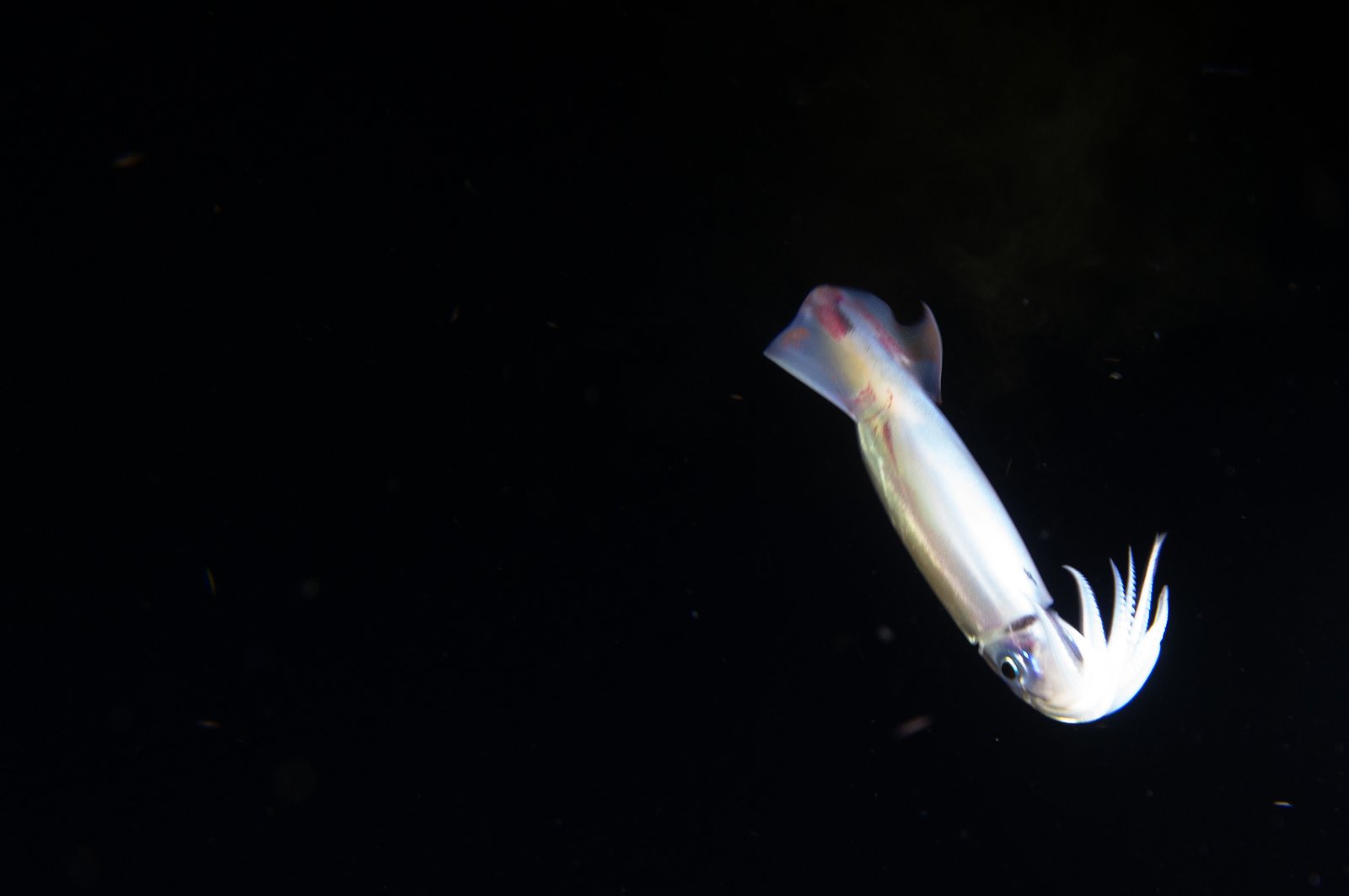
In a position statement to the commission, WWF criticized the lack of consensus among the members of the commission’s scientific committee on a stock assessment for the Pacific saury (Cololabis saira) and the delay in developing assessments for other species such as Japanese sardines (Sardinops melanostictus), neon flying squid (Ommastrephes bartramii) and Japanese flying squid (Todarodes pacificus). WWF also recommended that members adopt efficient systems for sharing fishery data from their domestic fisheries for all NPFC-managed species “to enable effective monitoring of stocks lacking completed assessments.”
The adoption of a shared data system is considered by WWF and other observers a preliminary step in developing standards for electronic monitoring systems (EMs) to increase the transparency of fishing operations through tools such as onboard cameras, GPS systems and gear sensors. The commission introduced an onboard observer program in 2025, but the adoption of EMs would further align the NPFC with other Pacific RFMOs.
‘Disappointment’ on deep-sea ecosystem protections
The Osaka meeting failed to make progress in conserving vulnerable marine ecosystems within the convention area, particularly along the Emperor Seamount Chain, a biodiversity-rich volcanic submarine mountain range that extends about 3,000 kilometers (1,900 miles) south from the Aleutian Islands in the Northwest Pacific.
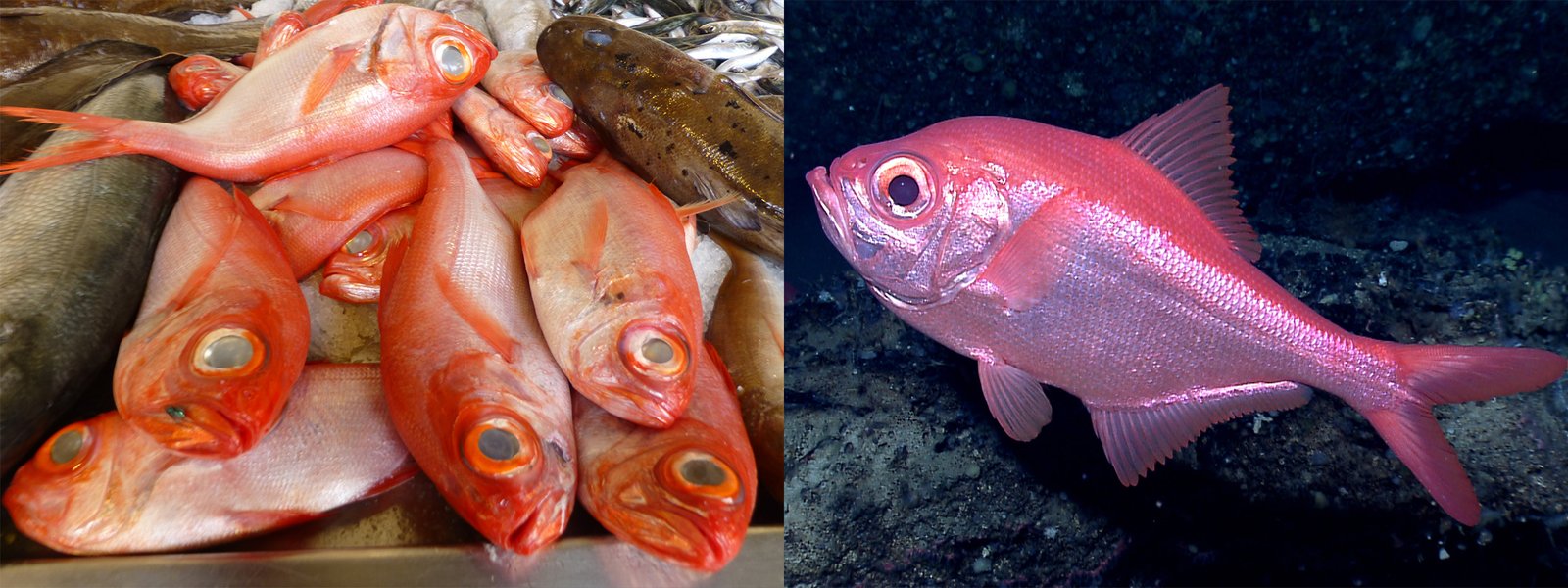
Decades of intensive bottom trawling, particularly between the 1960s and the 1980s, did extensive damage to the seamount chain’s deep-sea coral communities and fish stocks. Today, one Japanese-flagged trawler continues to operate in the area, targeting bottom species like the North Pacific armorhead (Pentaceros wheeleri) and splendid alfonsino (Beryx splendens), which are believed to be overfished despite limited population data.
During the meeting, the commission discussed a letter signed by 122 scientists from 24 countries calling for stronger protection of the seamount chain, based on current understanding of the long-term impacts of bottom fishing in an area where vulnerable marine ecosystems, including deep-sea coral gardens and sponge fields, are likely to occur across most of the seafloor.
“We believe — at minimum — a precautionary, temporary closure of all fishing using gear that may contact the seafloor is warranted,” the scientists wrote. “Such a closure would allow additional conservation and management measures to be considered and adopted to ensure that bottom fishing does not cause further significant adverse impacts on vulnerable marine ecosystems in the region.”
Despite the call for more robust protections, the commission rejected proposals from the United States and Korea, supported by Vanuatu, Canada and the EU, calling for a temporary closure of North Pacific armorhead and splendid alfonsino bottom fishing in the Emperor Seamount Chain. The Korean proposal would have placed a two-year moratorium on the fisheries, while the U.S. proposal would have closed the fisheries until the NPFC’s scientific committee completed stock assessments and made recommendations for rebuilding depleted stocks. Both proposals failed due to opposition from Japan.
Instead, the commission approved a Japanese proposal to reduce the splendid alfonsino catch by 50% compared with its highest annual catch recorded since the establishment of the NPFC (about 5,000 metric tons in 2016). The measure was presented as a “provisional and precautionary measure” until the scientific committee completes a stock assessment of splendid alfonsino, but several members questioned the effectiveness of this reduction, as the resulting quota would be significantly higher than the latest recorded catch (1,573 metric tons in 2024).
“In our view, the NPFC as an institution or regulatory body is becoming increasingly incapable of taking decisive action and meeting the expectations of the international community,” wrote Pew, the network of NGOs Deep Sea Conservation Coalition and the U.S.-based Natural Resource Defense Council in a joint statement at the meeting’s close. The statement expressed “disappointment” over the lack of action in management of bottom fisheries and protection of deep-sea ecosystems and biodiversity.
The NPFC did agree to a proposal by Japan and Korea to update the management measure for chub mackerel (Scomber japonicus), including a 28% reduction in catch, based on 2025 assessments indicating that stock levels remain low and recovery measures are inadequate.
A step back on Pacific saury management
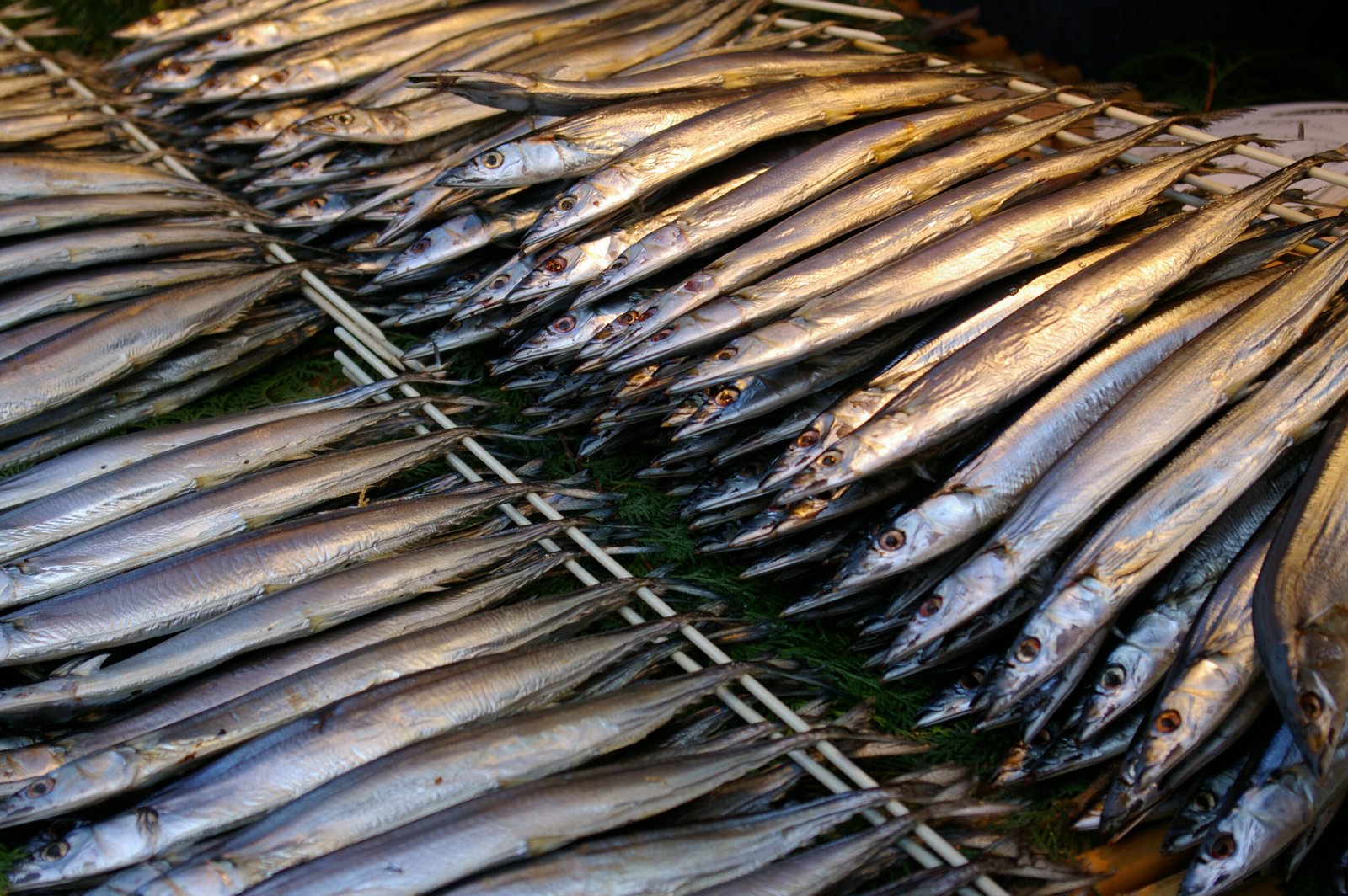
Several members and observers expressed concern about NPFC backtracking in stock management and conservation measures, particularly for the Pacific saury, the main pelagic species covered by the convention. The Pacific saury is targeted by the fishing fleets of several member countries and plays an important role in the food chain as a forage fish for tuna, salmon, sharks and marine mammals.
The most recent stock assessment by the NPFC scientific committee found that the species is recovering slightly after decades of overfishing but remains well below sustainable levels. Under a 2024 commission mechanism, this stock status allows NPFC fisheries managers to reduce total allowable catch by up to 10% compared with the previous year.
However, at the Osaka meeting, the commission failed to adopt proposals from Japan and Korea to reduce the quota by 10% due to opposition from the Taiwanese delegation, which cited “substantial uncertainties” in the stock assessment. Taiwan instead requested and obtained the required consensus on a 5% reduction in quotas. The decision raised concerns among some delegations, including Canada and the U.S., as well as several observers, who had previously called for a precautionary 40% reduction to allow species recovery.
“We are very disappointed by the Commission’s decision to set catch limits for Pacific saury at levels above what was prescribed by the harvest rule they agreed upon in 2024,” Rebecca Scott, program officer of the U.S.-based Ocean Foundation, told Mongabay in an email. “Inflated catch levels for saury endanger the rebuilding plan for one of their most important fisheries,” Scott said.
To improve management of this species, NPFC members had committed in 2024 to completing a harvest strategy for Pacific saury by 2027, but at the request of Japan and Korea, this was postponed to 2028.
Banner image: The bottom otter trawler Hendrika Jacoba operating in the Dogger Bank waters in the North Sea. Image © Greenpeace.
‘Substantial’ transshipment reforms adopted at North Pacific fisheries summit
Feedback: Use this form to send a message to the editor of this post. If you want to post a public comment, you can do that at the bottom of the page.

Source:
news.mongabay.com