




See All Key Ideas
Protest arrives with a clear sense of purpose. Annie Leonard and André Carothers avoid constructing a grand, unified theory of dissent and offer no rigid framework to explain why movements live or die. Instead, they have assembled a curated history: a series of episodes of resistance, each functioning as both narrative and instruction.
The perspective reflects the authors’ own backgrounds. Annie Leonard spent nearly two decades with Greenpeace US, including a period as executive director, and has been involved in campaigns on climate, waste, and environmental justice. André Carothers has worked as an organizer and adviser across a range of social movements, including time with Greenpeace and as cofounder of the Rockwood Leadership Institute, which trains activists. Both have operated within the kinds of campaigns the book describes. That experience shapes the selection and framing of the case studies, which lean toward movements where sustained organizing and nonviolent pressure are central.
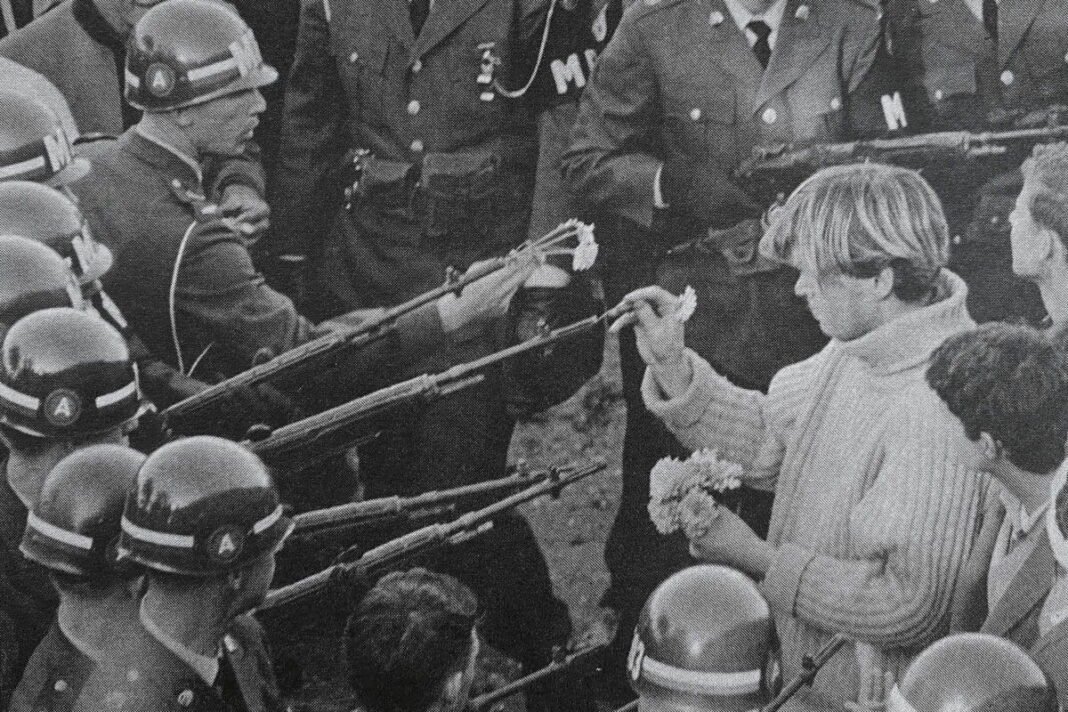
At its core, the book rests on a simple claim: protest works. From abolitionism to climate strikes, from labor organizing to Indigenous land defense, the case studies are familiar yet deliberately eclectic. The authors show that protest is not a singular tactic but an expansive repertoire—a march or a boycott, a blockade or a refusal to comply, spanning large demonstrations and more solitary acts.

The authors avoid playing referee. They acknowledge the friction within movements—between pragmatists and disruptors, advocates of nonviolence and those who accept escalation—but do not attempt to resolve it. These tensions are treated as part of the terrain.
This gives the book a certain looseness. A political scientist might look for causal inference or a sustained treatment of counterfactuals, but that is not the book’s focus. Instead, the accumulation of examples does the work. Patterns emerge: protest often accelerates change already under way, can appear disruptive before it is accepted, and produces outcomes that are rarely linear.
By steering clear of theoretical abstraction, the authors keep the prose accessible. The book is aimed at readers considering whether to act, with less emphasis on policymakers or scholars.
The narrative gains force when the authors turn to the contemporary moment. Leonard and Carothers argue that the right to protest is under pressure, shaped by legislative restrictions and litigation that recast activists as security threats. From environmental lawsuits to the branding of protesters as extremists, the pattern is presented as global.
Few readers familiar with the narrowing of civic space will be surprised. What the book does is place that trend within a longer historical cycle. Protest has long been contested; states tend to tolerate it when it remains marginal, and to move against it when it becomes effective.
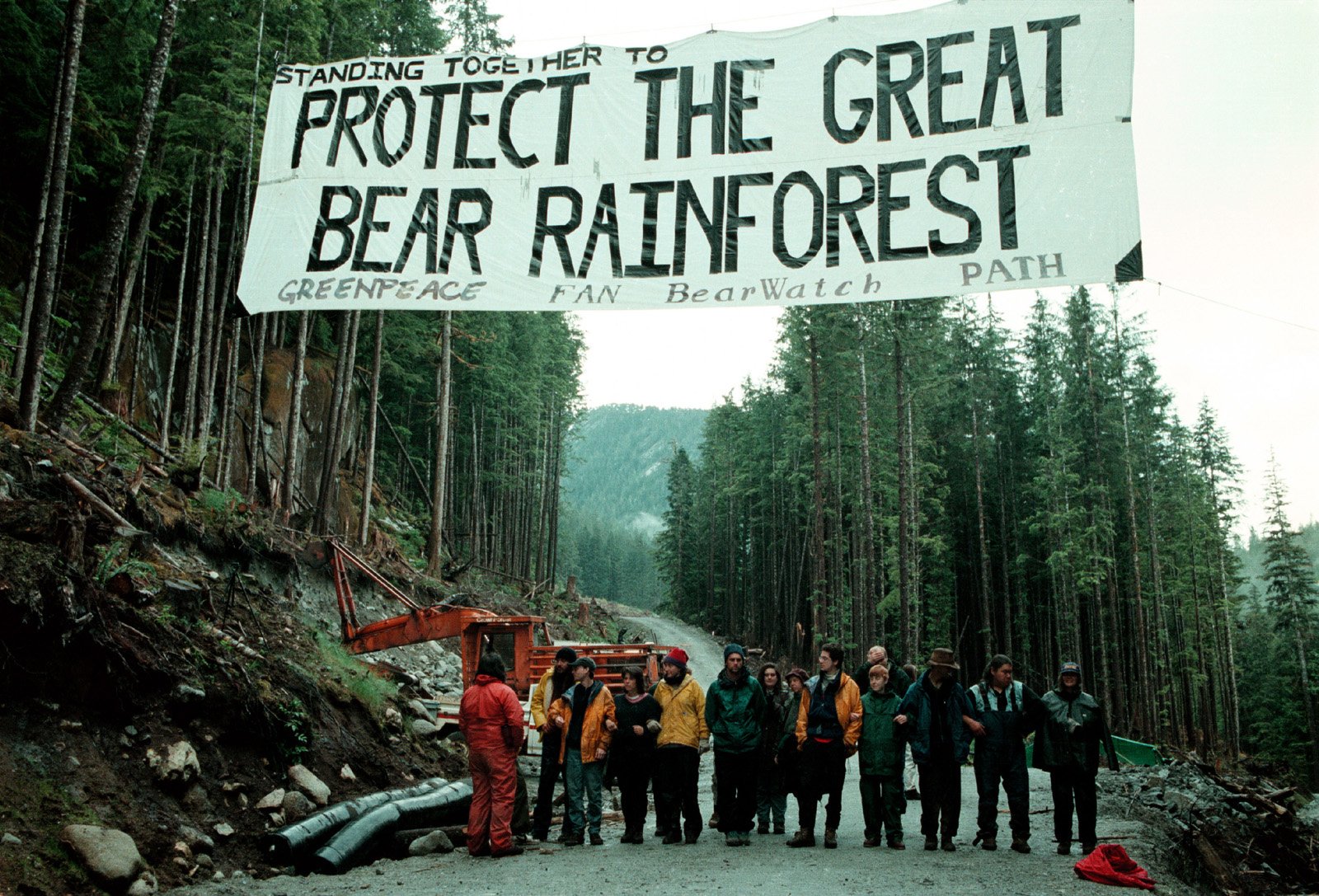
The environmental stakes are particularly visible here. In cases of climate activism—where the issue is both immediate and diffuse—blocking a road or disrupting an event can seem disproportionate to some observers. The authors return to a familiar justification: disruption forces attention. Without it, the issue may remain peripheral.
This touches on a central tension in current debates. Many observers support the right to protest in principle but object to particular tactics. The authors do not dwell on these objections, and give them limited space. Their emphasis remains on outcomes. Rights such as the eight-hour workday or the expansion of civil liberties are presented as products of sustained pressure, rather than incremental advocacy.
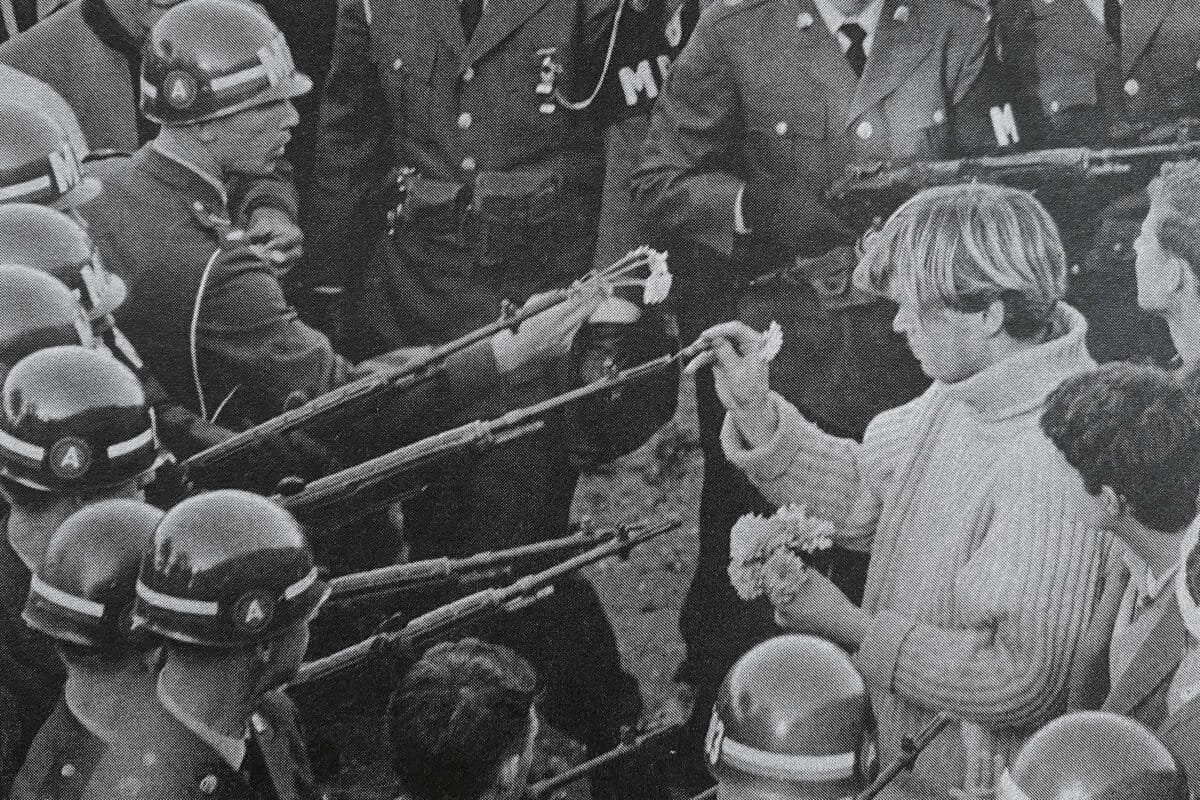
This emphasis risks flattening the historical record. Not all protests succeed; some provoke backlash or are co-opted. The book acknowledges this, but the selection of examples tends to support the central claim. Readers seeking a more balanced accounting may find the treatment selective.
That selectivity appears deliberate. The authors are pushing against the tendency to treat rights as settled once achieved. By revisiting the conflicts that produced them, Leonard and Carothers restore a sense of contingency. These rights were not inevitable; they were contested and often unpopular.
This is where the historical sections are most effective. Figures such as Martin Luther King Jr. and Nelson Mandela appear as actors operating in uncertainty rather than settled icons, often facing public disapproval. The implication: today’s protesters may occupy a similar position.
Throughout, the tone remains measured, avoiding the moralizing that often accompanies writing on activism. There are few claims about inevitable progress. Instead, the authors rely on a more modest assertion: collective action can shift outcomes, even if slowly and unevenly.
Whether that assertion persuades will depend on the reader’s existing views. Skeptics may see a collection of anecdotes rather than evidence; supporters may find their views reinforced. The book is more likely to reinforce existing views than to convert skeptics.

Its strength lies in something else. At a time when civic space is under pressure, Protest offers a reminder of how central dissent has been to political development. It stops short of claiming protest is sufficient, while suggesting many changes would have taken a different course without it.
Ultimately, Protest functions chiefly as a prompt. It asks what protest has achieved, and what might be lost if the space for it continues to shrink. The question is left open.


Source:
news.mongabay.com