



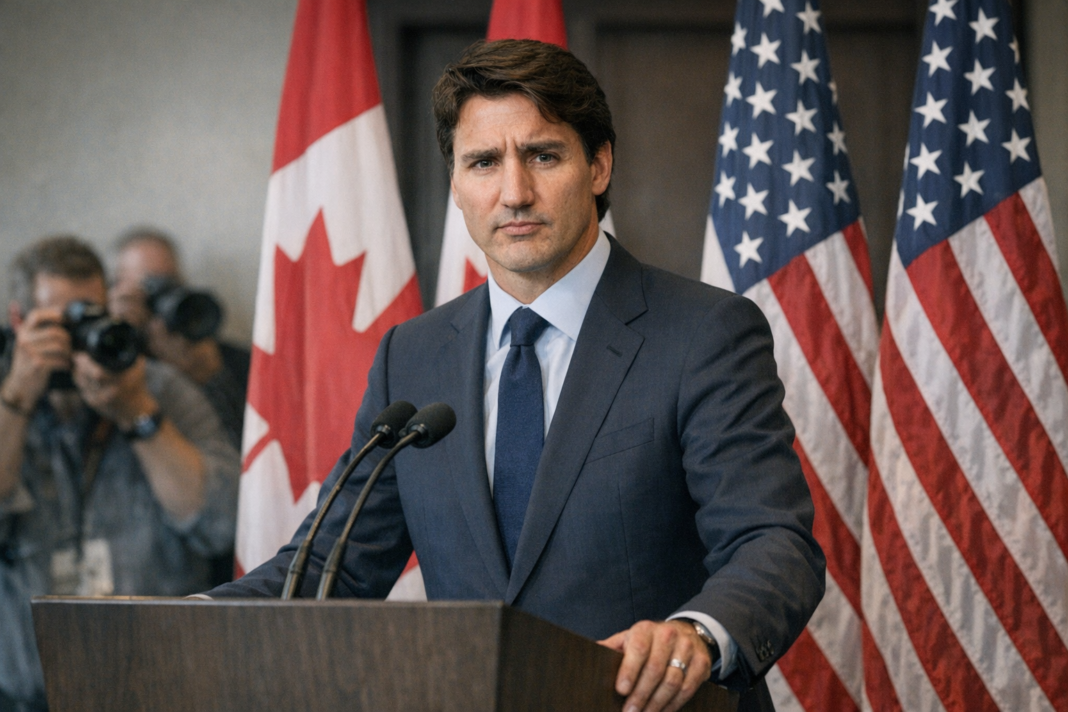
Mark Carney’s government announced the suspension of bilateral trade negotiations, citing last-minute changes from American negotiators that it described as unfair and economically unacceptable. Within hours, President Donald Trump implemented new Section 338 duties that apply to about $28 billion of Canadian goods, measures that analysts warned could put as many as 90,000 Canadian jobs at risk. Ottawa framed the pause in talks as necessary after proposals surfaced that it said would have eroded longstanding protections and sovereignty.
The White House position, as reflected in the new tariffs, targeted provincial alcohol restrictions and automobile market access as central bargaining points. The administration’s fact sheet and related commentary from U.S. trade officials signalled pressure to lift bans and tariffs that Canada has maintained for decades. Ottawa said some American demands would have required changes to language protections and even mechanisms affecting Canada’s choice of trade partners.
Mark Carney vowed a measured but firm response, promising dollar-for-dollar countermeasures and asserting that Canada could not accept the package on offer. Public sentiment had already leaned toward retaliation: a survey before the escalation showed majority support for reciprocal action. Political leaders across provinces have since endorsed stronger measures, with Doug Ford publicly denouncing the U.S. stance and the Bloc Québécois urging suspension of certain defence contracts, including planned fighter-jet purchases.
Economists underline that Canada retains leverage despite the asymmetry between the two economies. Nobel laureate Paul Krugman and other analysts note the United States’ dependence on Canadian supplies of oil, lumber, electricity and aluminium, which lack immediate substitutes. Observers also point to the timing: sustained tariffs could raise costs in politically sensitive U.S. regions ahead of midterm elections, amplifying domestic pressure on American policymakers.
The dispute crystallises two competing approaches within Ottawa: one favouring long-term accommodation to preserve post-crisis ties, the other seeking to impose short-term costs to deter future unilateral pressure. For now, Canada has shifted from conciliation to confrontation, deploying targeted countermeasures and signalling it is prepared to accept economic pain to defend regulatory autonomy and key industries. The coming weeks will test whether those measures alter Washington’s calculus or instead deepen a costly trade standoff.