



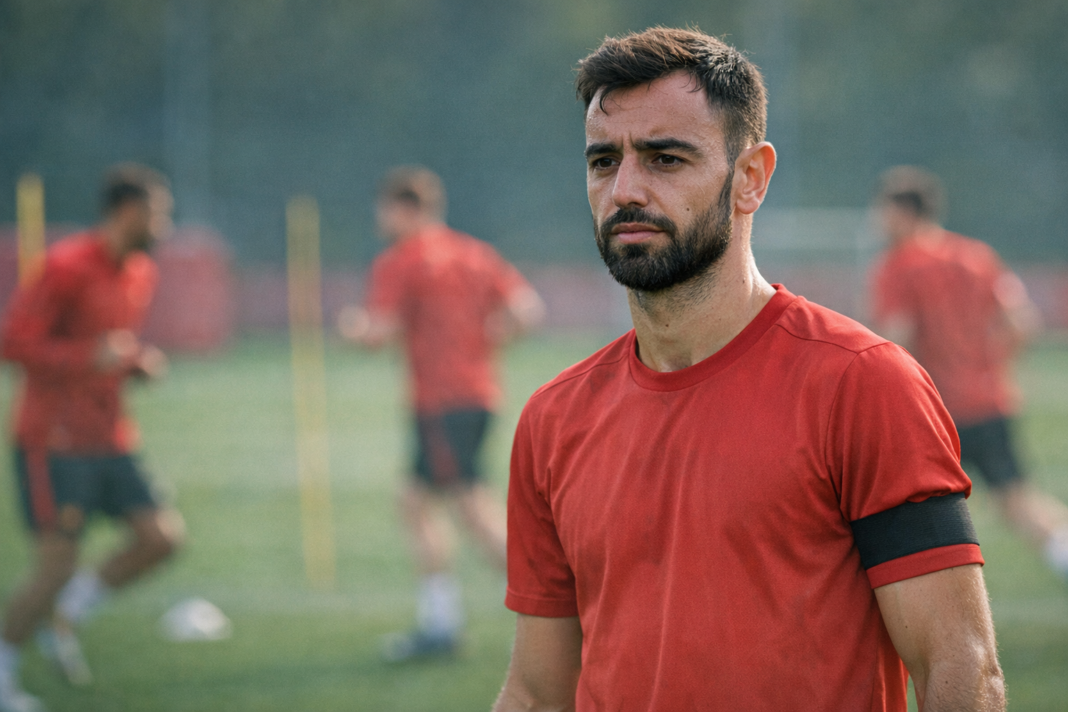
Bruno Fernandes remains the defining presence at Manchester United as the club navigates a phase of squad renewal. With multiple arrivals altering the playing group, the captain’s approach to preparation, communication and on-pitch leadership continues to provide a consistent reference point. That steadying influence is visible in training routines, match tempo and the way standards are reinforced across senior and younger players alike.
The recruitment wave signals a deliberate attempt to reset aspects of the team’s profile, from technical balance to squad depth. New signings inevitably bring fresh energy and competition, yet integration demands clarity about expectations. In that environment, the captain’s conduct and daily habits play a practical role: they give incoming players a blueprint of what is required to succeed within the dressing room and on matchdays, and they help translate broader coaching aims into collective behaviour.
The impact of an established leader extends beyond tactical instruction. Leadership shapes culture, and continuity at the top of the dressing room can accelerate the assimilation of different personalities and playing styles. New arrivals often look to long-standing figures for cues on routines, accountability and resilience under pressure. The captain’s example also functions as an informal channel between management and squad, helping to align individual standards with the club’s immediate objectives.
As the season unfolds, the relationship between recruitment, coaching strategy and internal leadership will be a key determinant of progress. A sustained standard of professionalism from influential players creates clearer benchmarks for newcomers and reduces adjustment time. For a club in transition, that combination of fresh talent and established leadership will be watched closely for its effect on cohesion, performance consistency and the longer-term identity of the team.