



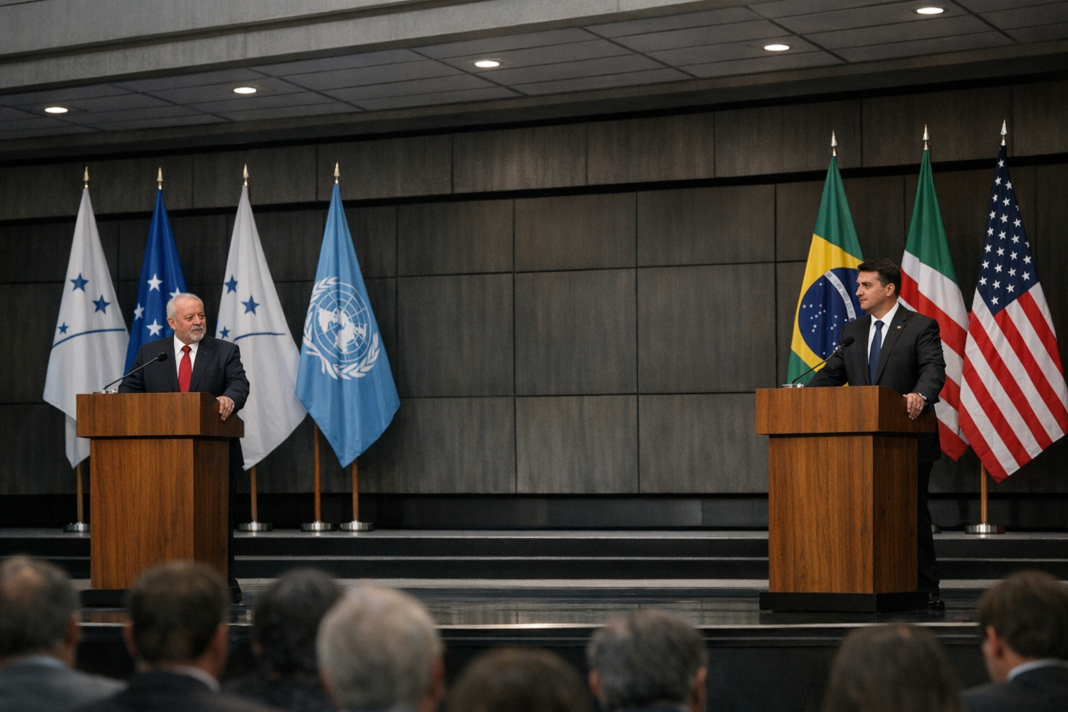
Brazil heads to the polls on October 4 in a contest that pits the incumbent multilateralist leader Lula da Silva against Flavio Bolsonaro, son of the former president. Voters will confront starkly different approaches to the country’s place in the world: one emphasizing engagement with a range of partners and global institutions, the other signalling a pivot toward closer ties with the United States and distance from China. The outcome will shape diplomatic and economic choices for years to come.
Lula da Silva has governed on a platform of multilateral engagement and regional cooperation, seeking to balance trade and political relationships across continents. His administration has framed international relations as part of a broader strategy to boost domestic development and social programs, while maintaining longstanding partnerships. Observers note that a continued commitment to multilateral forums could influence Brazil’s role in climate discussions, trade negotiations and South American cooperation.
Flavio Bolsonaro campaigns with a clearer orientation toward stronger ties with the United States, advocating policies intended to recalibrate economic and strategic alignment away from a heavy reliance on the China. That posture raises questions about potential changes in trade patterns, investment flows and diplomatic priorities. As the son of a former president, his candidacy also reflects enduring domestic political divides and the mobilization of constituencies seeking a different international stance.
The vote carries implications beyond foreign policy. Market participants, regional governments and international partners will watch how the result affects trade, investment and multilateral engagement. Turnout and the distribution of support across Brazil’s diverse regions will be central to understanding the mandate the winner receives. Whatever the result, the October 4 ballot will set the direction for Brazil’s external orientation and its approach to pressing global issues, making this election a focal point for both domestic and international audiences interested in the country’s future role.