



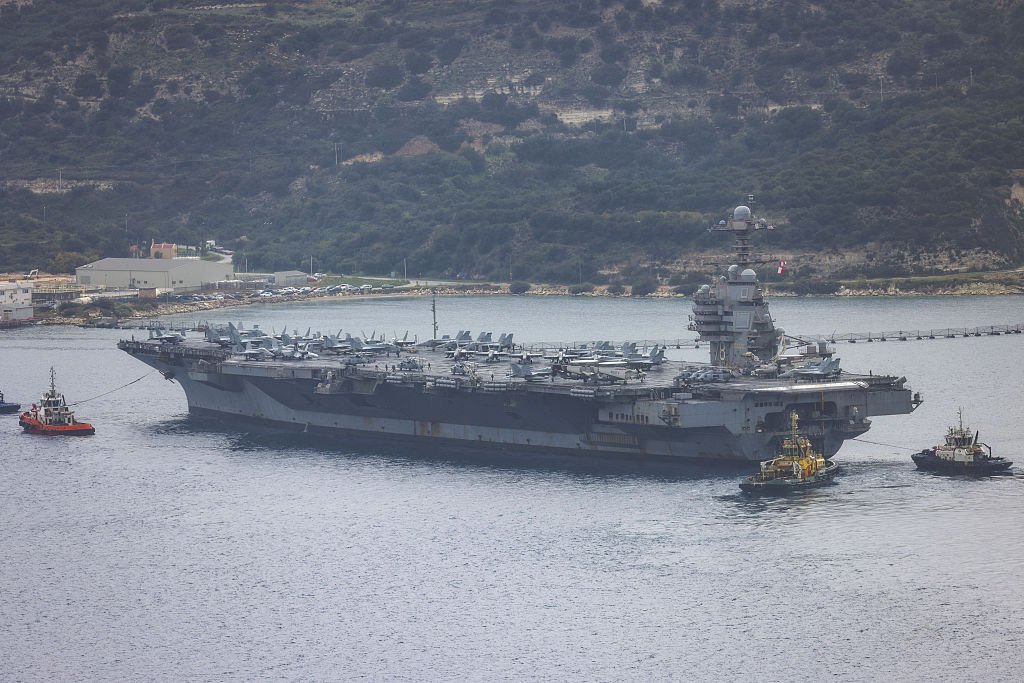
Four weeks into Operation Epic Fury, ‘how bad could it get?’ remains an open question. The week started with Trump’s ultimatum to bomb Iran’s energy infrastructure – which would constitute a war crime – pushed back, initially for five days though the deadline was again deferred on Thursday, this time until 6 April.
But the situation looks no less tenuous than on Monday: strikes continue, passing through the Strait of Hormuz remains a suicide mission, and the economic prognosis is increasingly bleak. The White House insists that progress is being made, yet with some 60,000 US troops now in the Gulf, there are grounds to doubt the effectiveness of “talks”.
All of which piles pressure on European allies, who Trump has lambasted for their hesitation in getting behind US military efforts. And while some European countries have conditioned their involvement on a ceasefire, NATO Secretary General Mark Rutte said yesterday that allies must clarify their positions.
A meeting of G7 nations could see Germany, Italy and France adjust their stance. But with the US administration hurling vitriol at partners and keeping them in the dark about its strategic intentions, there are meagre incentives to offer support.
Nonetheless, MEPs voted on Thursday to move forward with the much-derided US-EU trade deal, justifying the unbalanced terms as preferable to a fresh round of fractious negotiations with the US and, in doing so, proving the infallible wisdom of “better the devil you know.”
Social post of the week
The week from Euractiv policy desks
Tech – Germany rocked by revenge porn
Germany has been gripped by revelations of domestic digital abuse involving two famous actors that has cast a spotlight on how slow the country has been to transpose a 2024 EU directive aimed at combating violence against women. Maximilian Henning reports on how a magazine interview about the years-long campaign of online abuse suffered by TV personality Collien Fernandes has left the government scrambling to ready a bill that will finally ban spreading deepfake porn without consent.
A leaked draft of the incoming legislation suggests Germany may go further than the EU law – which has its own limitations by requiring that victims of revenge porn prove they’ve suffered serious harm in order to have it taken down. “The serious harm is obvious for every woman, but not for every platform,” Alexandra Geese, a legislator for the Greens who worked on the EU directive, told Euractiv. – Natasha Lomas
Germany weighs deepfake porn ban already covered by EU rules
A deepfake porn scandal involving two prominent German actors has exposed the limits of Germany’s…
5 minutes
Energy, environment & transport – All about the midnight express
Despite repeated setbacks for the EU’s night-train vision (replacing aeroplanes as the go-to mode of transportation between the bloc’s major cities), one company is doubling down: European Sleeper, which on Thursday night launched a Paris-Berlin line with grand fanfare.
Our Stefano Porciello attended the shindig full of cautious optimism, with the firm’s founder Chris Engelsman upbeat about his profit prospects. Even the existing Brussels-Prague line was close to turning a profit, he told Euractiv. “In the railway industry it takes a bit of time. We need a bigger network to have the overhead costs spread over more routes.” – Niko Kurmayer
New Paris-Berlin sleeper service hopes to further Europe’s rail renaissance
The EU night train company European Sleeper keeps believing that some Europeans not only prefer…
3 minutes

Health – Pharma tries to wash hands of wastewater costs
The pharmaceutical industry has found a powerful ally in the European Parliament. This week, the EPP called for a one-year delay in the implementation of certain rules under the Urban Waste Water Treatment Directive. The industry has strongly opposed the text, which provides that the pharmaceutical and cosmetics sectors together cover 80% of the costs of quaternary wastewater treatment.
According to the Commission, these figures are meant to reflect the contribution of both sectors to pollution found in wastewater. After the conclusions of a new study proved unfavourable to the pharma industry, and its legal challenge was dismissed by the Court of Justice of the EU, it was lawmakers who pushed the Commission to revise its approach. A resolution on the issue, tabled by the EPP, will be put to a vote during the next plenary session. – Thomas Mangin
EPP seeks one-year delay to wastewater rules, citing risks to generics
The European People’s Party (EPP), backed by the far right, called during a late Wednesday…
3 minutes
Agri – Europe’s ‘war on terroir’
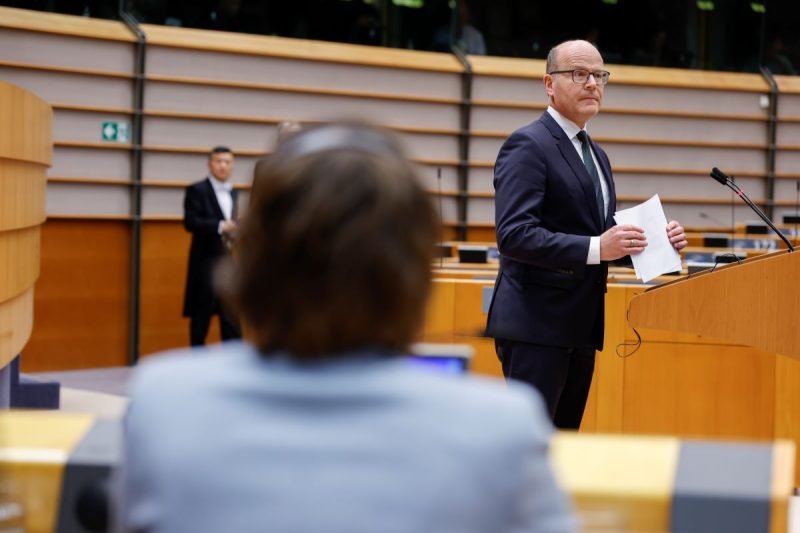
For years, the EU’s push to protect names like Parmigiano Reggiano or Champagne was dismissed by a group of partners abroad as protectionism dressed up as tradition. One of the most vocal advocates of this position was Australia. But with the EU-Australia trade deal, Canberra will establish a food protection system similar to the EU – a clear win for Europe in the ‘war on terroir’, Sofia Sanchez Manzanaro reports. – Angelo Di Mambro
Europe is winning ‘war on terroir’ – and Australia just flipped
For years, the EU’s push to protect names like Parmigiano Reggiano or Champagne was dismissed…
5 minutes

Defence – To 2% and beyond
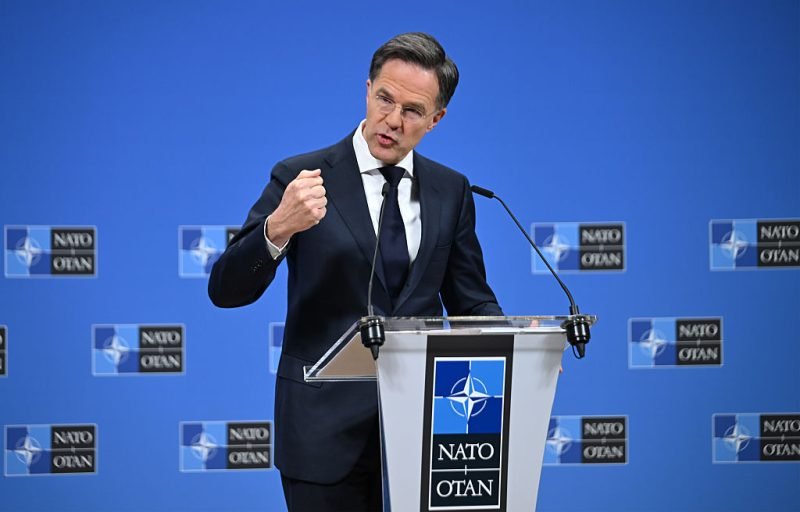
Over a decade after NATO allies gathered in Wales in the wake of Russia’s annexation of the Crimean Peninsula from Ukraine and pledged to spend 2% of their GPDs on defence, all allies have finally reached that spending goal. On Thursday, NATO unveiled its annual report outlining how the alliance was increasing its defence spending and military capabilities. NATO Secretary General Mark Rutte hailed 2025 as a “landmark year” for the alliance, praising Europeans and Canada for boosting their defence spending in response to pressure from US President Donald Trump. But the goalpost has moved considerably since the Wales summit all those years ago. NATO allies are now aiming to spend 5% of their GDPs on defence by 2035. – Cristina Maza
NATO allies increased defence spending by 20% last year
All NATO allies reached or exceeded the alliance’s 2% of GDP spending target last year,…
2 minutes
Source:
www.euractiv.com