



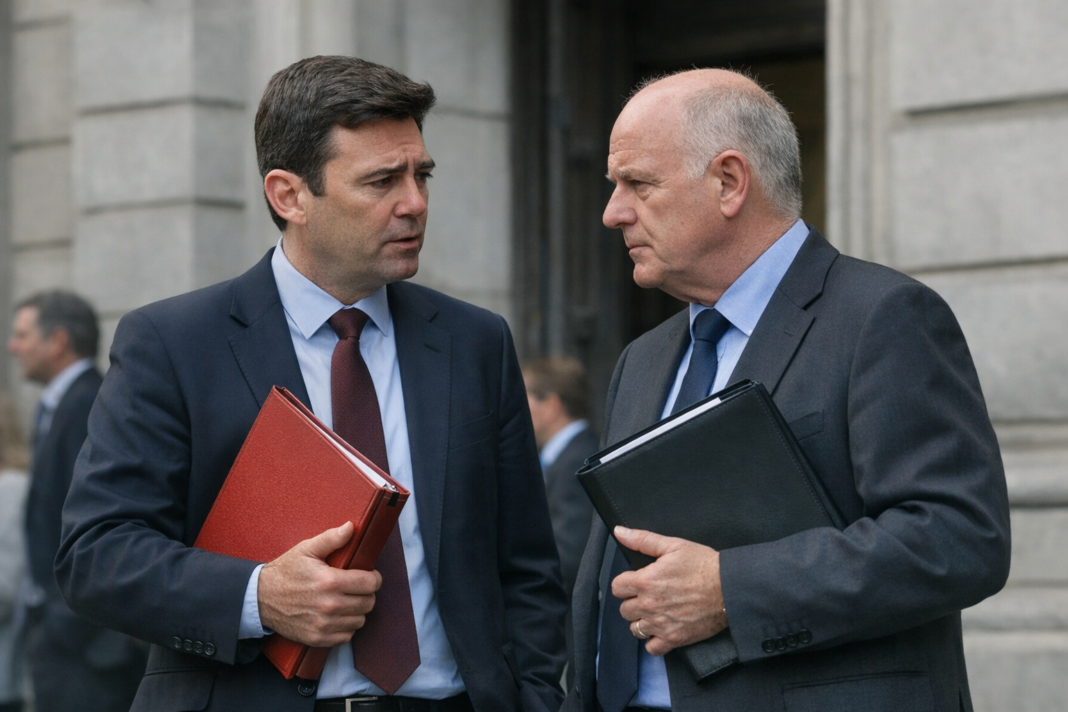
Burnham refuses to rule out tax rises as he prepares for the autumn Budget, a stance that underlines the tight choices facing the new administration. Analysts have warned that he and Chancellor John Healey will have little room to manoeuvre in what is expected to be their first fiscal statement, raising the prospect that revenue measures could form part of the government’s short-term response to fiscal pressures.
The refusal to categorically exclude tax increases did not come with specifics about which levies might be affected or how any additional receipts would be allocated. By keeping options open, Burnham signals a pragmatic approach to balancing public spending demands against the need to stabilise public finances. That stance sets up a period of policy scrutiny ahead of the autumn proposals, as observers look for clarity on priorities and trade-offs.
Commentators point to competing pressures that commonly constrain early budgets: commitments to public services, investment needs and limits on borrowing. Those competing demands tend to narrow the set of available choices, and can make revenue-raising measures more likely if spending reductions are politically or practically difficult to enact. Any move towards higher levies would prompt close attention from voters, businesses and financial markets, all of which monitor fiscal strategy for signs of longer-term direction.
The coming weeks are likely to see intensified debate over both the content and timing of measures that may appear in the autumn Budget. The government’s fiscal framework and the details set out by the HM Treasury will be central to that discussion, and further statements from Burnham and ministers are expected to clarify whether tax rises will feature among the options under consideration. For now, the decision to keep that possibility open reflects the constrained environment the administration faces as it prepares its first comprehensive fiscal plan.
