



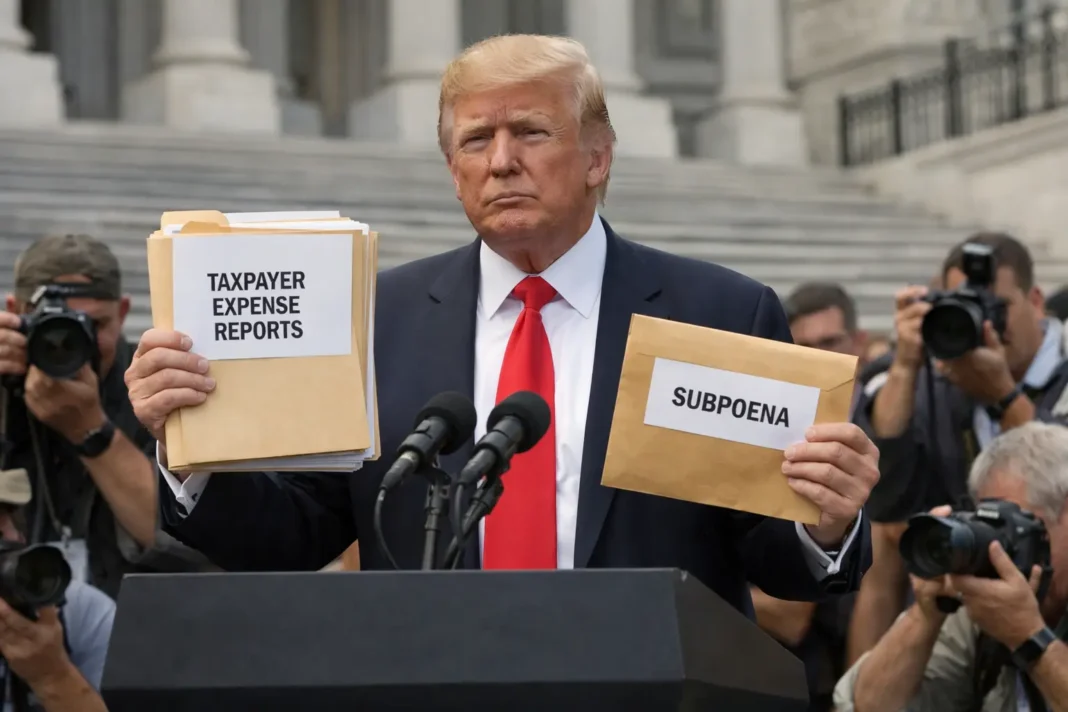
Despite not being on the ballot, Donald Trump is mounting a vigorous campaign in the run-up to the United States midterm elections, drawing renewed attention to the intersection of presidential activity, public spending and legal limits. His efforts — a mix of public appearances, policy promises and high-profile endorsements — have prompted scrutiny because many of the moves have shifted costs onto the public purse. Observers and legal analysts warn that some tactics could cross legal boundaries and invite formal review.
The campaign push is unusual in its intensity for a former president who is not seeking office at this stage. Activities tied to the campaign have frequently entailed expenses that ultimately fall to U.S. taxpayers, critics note, raising questions about how public resources are being used to advance partisan objectives. Legal experts point to established rules meant to separate government functions and political activity; when those lines blur, there is a risk that longstanding norms and statutory restrictions may be tested.
The practical consequences of those overlaps are manifold. Beyond immediate fiscal effects, the situation could trigger oversight from congressional committees, reviews by ethics officials, or litigation in federal courts to clarify whether specific actions violated statutory limits on the use of government property, personnel or funds for political purposes. Such processes would assess not only isolated decisions but also the precedent they set for future campaigns, with potential implications for how administrations and former officeholders engage in electoral politics.
As the midterm calendar advances, scrutiny of campaign methods and their cost to the public is likely to intensify. The legal and fiscal questions at stake will inform debates over accountability and the permissible scope of political activity by former executives. How authorities, courts and voters respond could shape both the immediate electoral landscape and longer-term expectations about the relationship between campaigning and public finances.
