



Across Latin America’s destinations, the rapid expansion of tourism is sharpening a practical question for governments, operators and residents: can growth be managed without placing excessive pressure on communities, housing, water, heritage sites and fragile ecosystems? The debate around overtourism has often focused on crowded European cities, but the same tensions are increasingly relevant in Latin America, where visitor demand is rising and travel businesses are looking for models that distribute pressure and value more evenly.
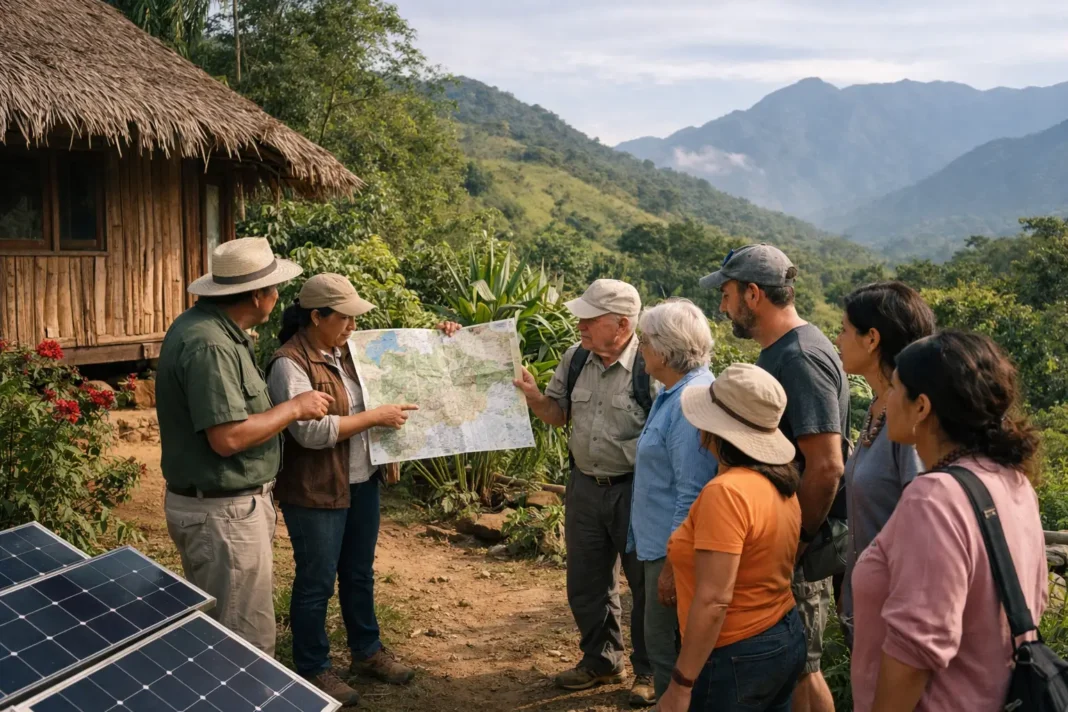
Alternative forms of travel are gaining visibility because they change the centre of the tourism transaction. Instead of treating local people mainly as workers in a visitor economy shaped elsewhere, sustainable travel asks who designs the experience, who controls the investment and who captures the income. That shift can include community-led accommodation, nature-based itineraries, cultural visits run with local participation and smaller-scale services that keep a greater share of spending near the destination. The objective is not only to reduce environmental impact, but also to rebalance economic power.
This distinction matters because tourism growth can bring jobs, infrastructure and international attention, yet it can also create dependency if decisions are made far from the places being marketed. When investors, online platforms or outside operators dominate the value chain, destinations may receive visitors without gaining lasting resilience. A more sustainable approach places governance at the centre: residents, local businesses and public authorities need a role in setting limits, protecting resources and deciding which forms of tourism fit their territory.
The policy language around this approach is well established. UN Tourism defines sustainable tourism in terms that combine environmental, economic and socio-cultural dimensions, while stressing the needs of host communities and visitors. In practice, that means sustainability cannot be reduced to a hotel’s energy use or a traveller’s transport choice. It also involves land use, labour conditions, access to public services and the survival of local identities that often make destinations attractive in the first place.
For Latin America, the rise of alternative travel is therefore less a niche trend than a test of how the region’s tourism boom will be governed. If the benefits of growth are channelled into local ownership, conservation and better planning, tourism can strengthen places rather than overwhelm them. If not, the same growth can reproduce the pressures already visible in destinations struggling with overcrowding and uneven gains. The next phase of travel in the region will depend on whether sustainability is treated as a marketing label or as a change in who holds influence over tourism itself.