



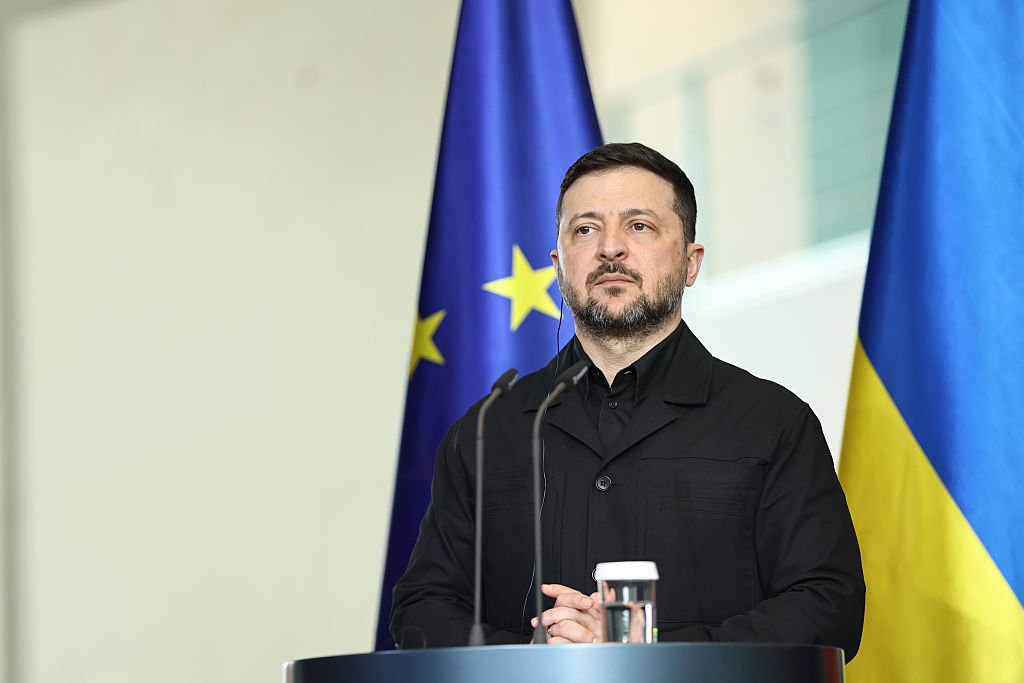
In 2023, Ursula von der Leyen called on EU members to “prove what it means to support Ukraine for as long as it takes.” But the assurances repeated by the Commission could also be taken as an admission that these decisions take a very long time.
Such has been the case with the €90 billion lifeline to the war-ravaged country, which was at last approved on Thursday. The financial aid had been held up not only by Hungary’s recent veto but also by protracted (and deeply divisive) discussions about where the money would come from, and under what conditions.
The process has tested Ukraine’s resilience, its president’s patience, and the bloc’s ability to meet the moment. And though the loan, and yet another volley of sanctions against Russia, gave EU leaders a brief moment of celebration as they meet in Cyprus – Ukraine’s longer-term ambitions of joining the bloc are still far from materialising.
Accession is a dream held by most Ukrainians, and Zelenskyy has demanded clarity about a timeline to get there. His frustrations echo through the population, with some warning that EU hesitancy could be as existential to Ukraine’s future as the funding needed to continue fighting Russia.
And notwithstanding concessions Ukrainians would gladly accept – such as foregoing farm subsidies – progress towards membership will take “as long as it takes”, which in existential matters sounds more like “you’re on your own”.
The week from Euractiv policy desks
Tech – The Commission vs Big Tech
Commission jobs don’t get much bigger than director-general of the powerful competition division. The tech team’s Anupriya Datta and politics colleague Nicoletta Ionta sat down to interview its new chief – Irish veteran civil servant Anthony Whelan – on Monday, probing how he will handle the pressure bearing down on him from all sides.
Reining in tech giants is a high-stakes business in geopolitically fraught times – one that could soon make Whelan’s climb to the pinnacle of the Brussels bureaucracy look like child’s play. The EU’s Digital Markets Act (DMA), for example, remains in US President Donald Trump’s crosshairs. But if Whelan was nervous about US Big Tech battles to come, he didn’t show it. “They’re entitled not to like it,” he observed of US tech CEOs attacking the DMA. “What they are not entitled to do is not comply with it.” – Natasha Lomas
‘Nobody expected them to like it’: DG Comp chief on battling Big Tech
Just days into one of the most powerful roles in the EU civil service –…
5 minutes
Energy, environment & transport – A shipping showdown
Europe is going head-to-head with the US next week at the net-zero shipping talks in London, the EU’s ambassadors decided on Friday. After White House bullying torpedoed an agreement to make the most polluting ships pay, the bloc initially sought to keep a low profile. But after months of US bullying and the threat of a Greenland invasion, the gloves are off. Even a last-minute Greek intervention, whose influential shipowners reject the deal known as the net-zero framework, was warded off on Friday afternoon. – Nikolaus J. Kurmayer
Brussels stands its ground over embattled net-zero shipping deal
European Union envoys are set to confirm the bloc’s commitment to global climate rules for…
3 minutes
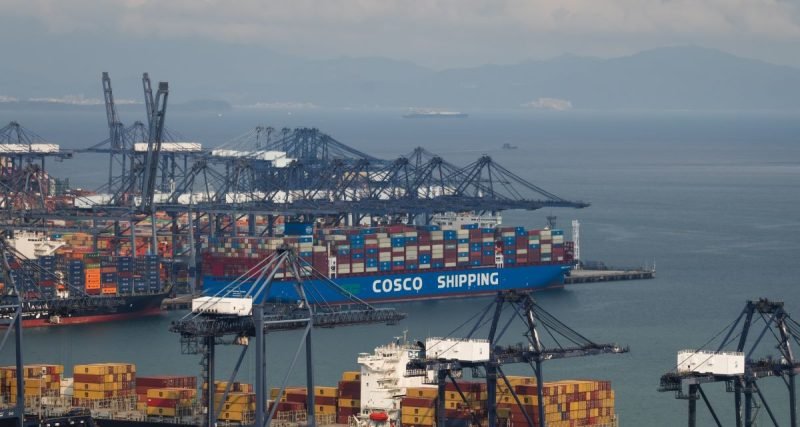
Agri – Farm subsidies can wait, says Ukraine
Ukraine’s access to the EU’s multi-billion farm subsidy programme could still be years away – even if the country joins the bloc sooner, Deputy Prime Minister for European Integration Taras Kachka said earlier this week. The consequences of this stance could be significant, as the inclusion of Ukrainian large-scale farms in the Common Agricultural Policy has long been one of the most controversial issues in the enlargement debate, Sofia Sanchez Manzanaro reports. – Angelo Di Mambro
Ukraine floats delay to EU farm subsidies until after 2034
Ukraine’s access to the EU’s multi-billion farm subsidy programme could still be years away –…
2 minutes
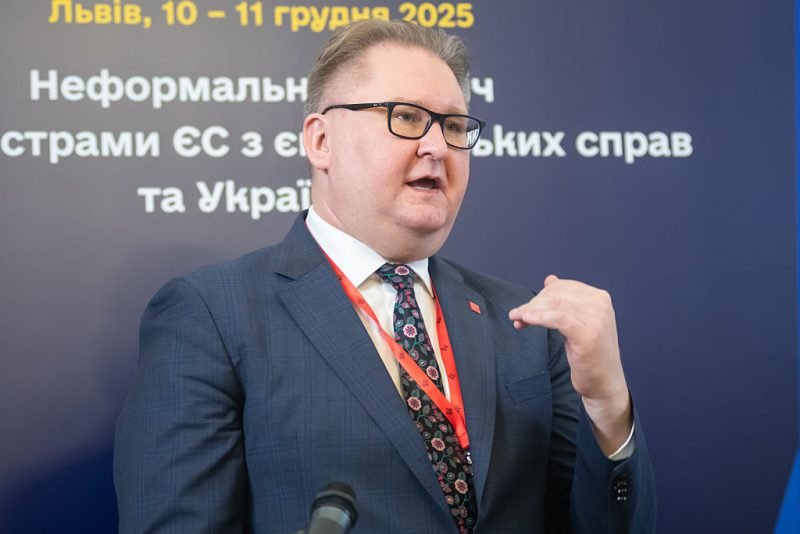
Defence – No, a NATO membership cannot be suspended
The Pentagon has reportedly looked at ways to suspend Spain from the NATO military alliance as a punitive measure over Madrid’s lack of support for US operations in the war with Iran. NATO officials have however confirmed to Euractiv that the alliance’s treaty simply doesn’t provide for such a scenario. Still, a former NATO ambassador highlighted that Washington could frustrate Spain’s membership in other ways. – Alice Tidey
No legal path to suspend Spain from NATO, officials say as Washington reportedly weighs options
NATO’s treaty does not provide any provision for the suspension of membership, an alliance official…
2 minutes
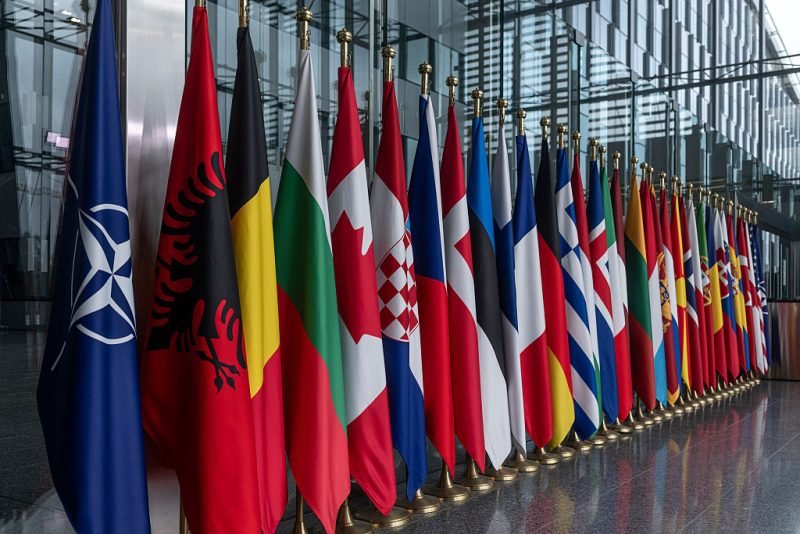
Health – UK law sets out path to smoke‑free generation
The United Kingdom’s move to ban tobacco sales for anyone born after 2008 sets a global benchmark just as EU countries weigh their own smoke‑free strategies. With smoking causing around 64,000 deaths a year in England, ministers hope the measure will break cycles of addiction, despite intense scrutiny from the tobacco industry. Age‑of‑sale rules remain a national competence in the EU, though several countries including Belgium, Finland, France, Ireland, the Netherlands, Slovenia and Sweden, have already launched “tobacco endgame” plans aligned with the EU’s goal of reducing tobacco use below 5% by 2040. – Magdalena Kensy
Source:
www.euractiv.com

