



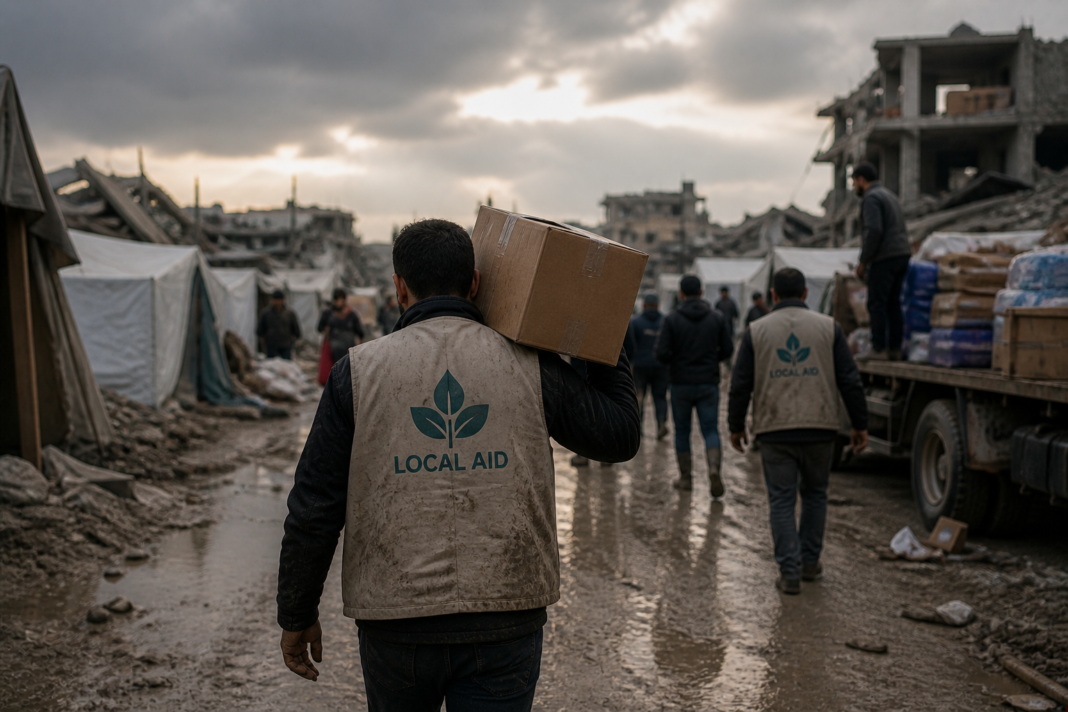
Local aid workers play a central role in humanitarian responses, particularly once international attention declines. While media coverage often focuses on the initial phases of a crisis, local organizations and staff continue operations over extended periods, addressing ongoing needs within affected communities.
In many contexts, local actors are the first to respond when a crisis occurs. Their knowledge of the area, language and social dynamics allows them to provide immediate assistance. This includes distributing aid, supporting displaced populations and coordinating with local authorities.
As international teams scale down their presence, local workers frequently maintain continuity. Programs related to healthcare, food distribution, education and protection services often rely on national staff and community based organizations. Their involvement supports the long term functioning of these activities.
Operational conditions can be challenging. Limited resources, infrastructure constraints and evolving security situations may affect the implementation of programs. Local organizations often adapt their approaches based on available means and changing circumstances.
Coordination with international agencies remains part of the process. Partnerships between global organizations and local actors are established to align strategies, share information and manage resources. These arrangements can vary depending on the structure of the response and the funding mechanisms in place.
Funding distribution is a relevant factor in this context. International donors frequently channel resources through large organizations, with local partners receiving a portion of the funding. Discussions within the humanitarian sector address the allocation of resources and the role of local actors in decision making processes.
Training and capacity building initiatives are implemented to support local teams. These programs focus on areas such as logistics, data management, protection standards and project coordination.
Local aid workers continue their activities beyond the initial phases of a crisis, contributing to the ongoing delivery of assistance. Their role is integrated into broader humanitarian systems that operate across different stages of response and recovery.

