



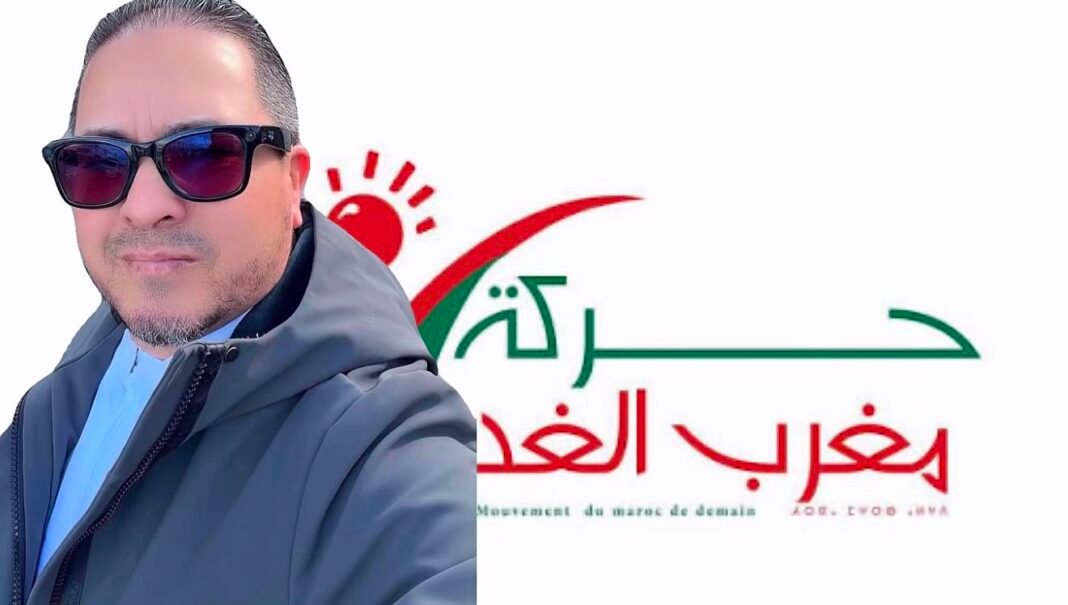
In a statement issued by its official spokesperson, Mohamed Abdellatif El Handouz, a Moroccan human rights advocate based in Paris and known for his long-standing commitment to citizens’ rights, the Morocco of Tomorrow Movement reaffirmed its unwavering adherence to the core principles upon which the movement was founded.
According to the statement, these principles are enshrined in the movement’s ideological charter, drafted and approved by its members and leadership, and remain non-negotiable regardless of political circumstances or changing interests.
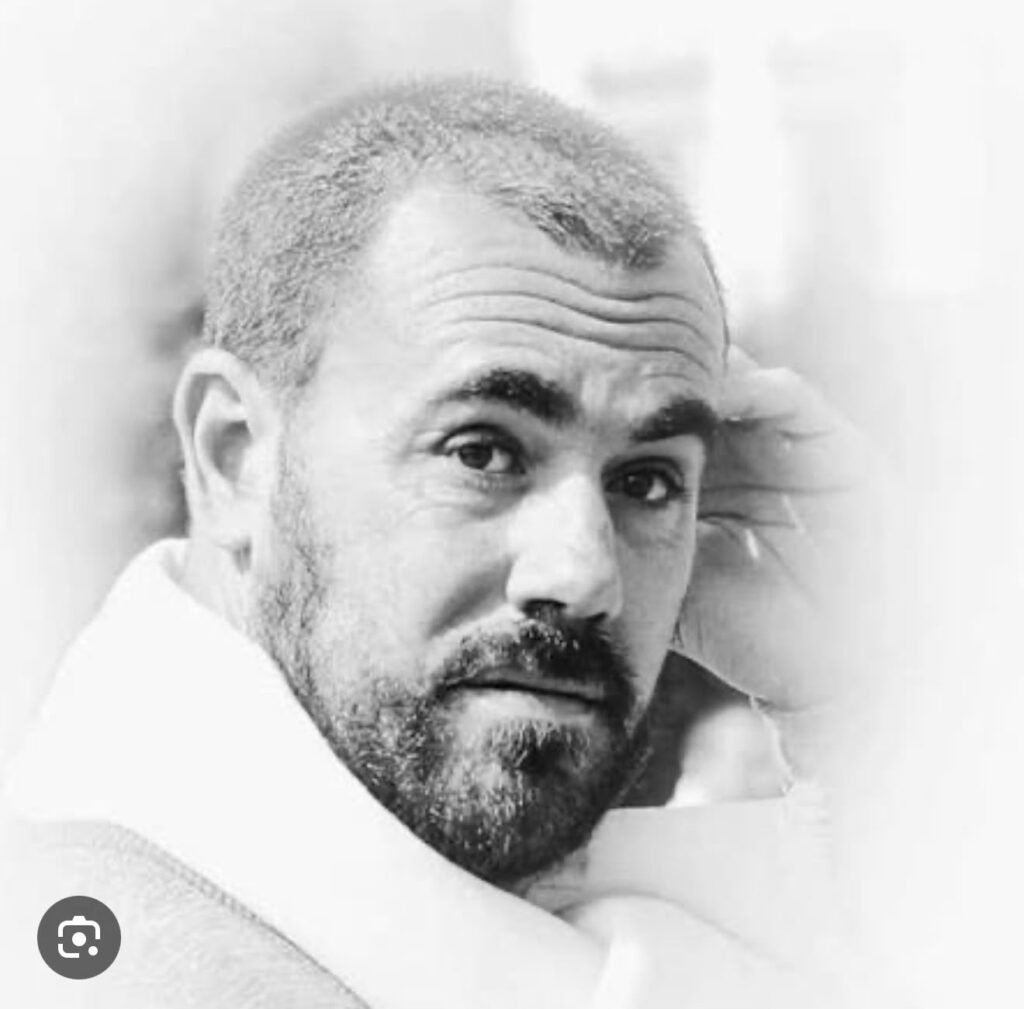
Mohamed Abdellatif El Handouz stressed that the release of political prisoners and prisoners of opinion in Morocco is a fundamental prerequisite for building a genuine democratic system. He argued that the continued detention of Hirak Rif activists, including Nasser Zefzafi, as well as other prominent figures such as Mohamed Ziane, does not serve Morocco’s image or its international standing.
The spokesperson further stated that maintaining these detentions strengthens hostile narratives against Morocco and provides opportunities for external actors to exploit these cases for political purposes. In his view, such situations are often used by parties seeking to undermine Morocco’s interests and national unity.
The Morocco of Tomorrow Movement therefore calls for wisdom, dialogue, and reconciliation, urging the granting of royal pardons that could help close a painful chapter and contribute to national cohesion. According to El Handouz, reconciliation and inclusion should prevail over division and confrontation.
The statement also highlights the broader impact of these cases on Moroccans living abroad. The movement argues that many members of the Moroccan diaspora remain hesitant to return to Morocco due to concerns linked to the judicial outcomes affecting Hirak Rif activists since 2017.
El Handouz also expressed concern about the emergence of increasingly polarizing currents within Moroccan public discourse. He called for the preservation of national unity, mutual respect, and constructive dialogue while rejecting hate speech and divisive rhetoric.
In conclusion, the Morocco of Tomorrow Movement reaffirmed its commitment to the spirit of Morocco’s Equity and Reconciliation process and called for further efforts aimed at strengthening national reconciliation, political openness, and social cohesion.
“The release of prisoners of opinion would represent an important step toward lasting reconciliation and a stronger democratic future for Morocco,” the statement concluded.
