



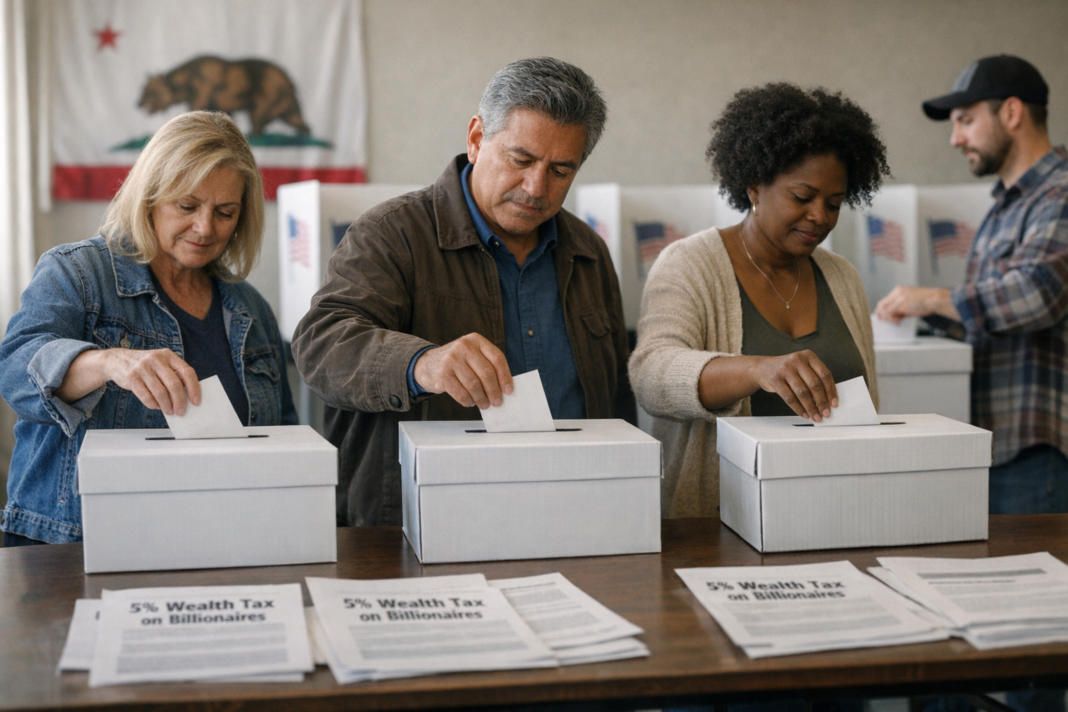
California’s billionaire tax will appear on the November ballot as a one-off 5% levy on the net wealth of every billionaire domiciled in the state. The campaign has attracted intense spending: Sergey Brin has contributed about US$100 million to efforts opposing the measure, a sum aimed at averting a potential US$13 billion liability. Opponents have also mounted alternate ballot initiatives that would block the proposed levy if approved by voters.
Backers say the tax would generate roughly US$100 billion to be directed to state-funded healthcare, food assistance and public education, and emphasise that the measure is supported by organised labour. The union coalition includes SEIU-UHW. Polling shows majority support among registered voters and more than 1.6 million signatures placed the proposal on the ballot, while critics — including Gavin Newsom — warn of capital flight and economic consequences.
The California contest is part of a broader shift in tax debates across the United States and beyond. In New York, a mayoral proposal would raise income tax rates for top earners, and several states have pursued surcharges or taxes aimed at high net worth households. Internationally, campaigns urging higher levies on large fortunes have gained attention. Economic data underpinning these proposals shows a declining labour share of output — 52.9% in 2026 in the United States — while the number and aggregate fortunes of the very wealthiest continue to expand: Forbes counted a record 3,428 billionaires in 2026, and Elon Musk briefly reached trillionaire status in June before his wealth settled near US$800 billion.
Observers frame the ballot as a test of the political influence of the ultrawealthy and of public appetite for redistributive measures. Analysts point to structural drivers behind rising disparities — weakening unions, market consolidation among dominant firms and accelerating automation and AI deployment — and argue that one-off levies address symptoms rather than root causes. The outcome in California will therefore carry implications beyond the state for debates over inequality, taxation and economic policy reform.