



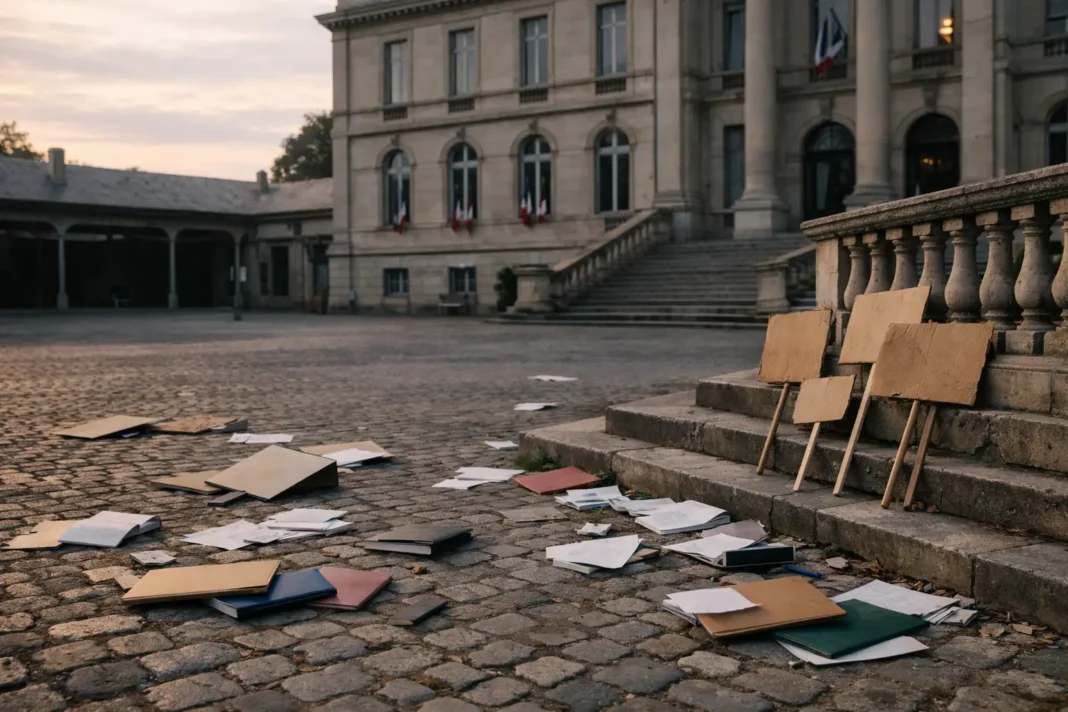
Protests by schoolchildren have persisted for weeks across France, drawing sustained attention to shortcomings in the national school system. Demonstrations staged by pupils, supported by parents and teachers, focus less on the total amount spent on schooling and more on perceived imbalances in how resources reach classrooms, staff and local authorities.
Public spending on schooling in education in the country remains high by international standards, but critics argue that significant sums do not always translate into improved conditions in every school. Calls for clearer allocation rules and more visible investment have been directed at the central administration, including the Ministry of National Education, which oversees budgets, teacher deployment and infrastructure projects.
The protests have underscored practical problems reported in classrooms: staffing pressures, maintenance backlogs and gaps in support for disadvantaged areas. Teacher unions and parent associations have amplified concerns about inequalities between regions and between urban and rural schools, framing the debate around fairness of access and educational outcomes rather than overall expenditure levels.
As demonstrations continue, the political and administrative response will determine whether the episode leads to policy adjustments. Observers expect renewed scrutiny of funding formulas and calls for targeted measures aimed at the most affected schools. The unfolding discussion places equity and distribution at the centre of national conversations about schooling, with potential implications for how future investments are prioritised and monitored.