



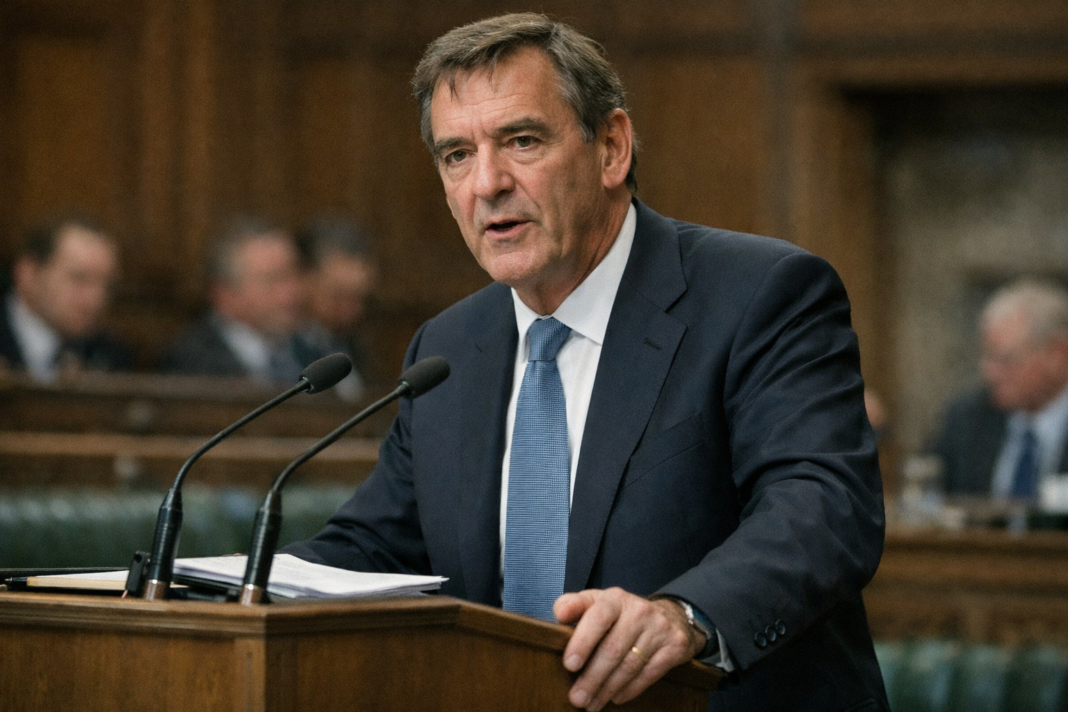
Lord O’Neill has publicly ruled out accepting a formal government post while signalling his support for the prime minister’s plans to decentralise power. The former chief economist at Goldman Sachs was widely mentioned in recent speculation as a possible senior adviser to Andy Burnham, but those rumours have now been dismissed, even as he voiced backing for measures that would transfer responsibilities from central government to local institutions.
The declaration closes a chapter of public conjecture about his immediate political future. Observers had suggested his expertise in macroeconomic policy might be tapped by regional leaders; the suggestion that he could become a chief economic adviser to a high-profile regional politician drew attention because of his market-facing background and previous senior role at a global investment bank.
O’Neill’s endorsement of the prime minister’s devolution proposals places a prominent economic voice in the debate over redistributing fiscal and administrative powers. While he will not enter government ranks, his position adds a noteworthy dimension to discussions about how economic responsibilities might be reallocated across different levels of government and how such changes could affect local budgets, public services and long-term investment planning.
The immediate practical consequence is twofold: high-profile speculation about his joining a formal advisory team is curtailed, and the devolution debate gains an additional public advocate with strong credentials in finance. Stakeholders in local and national government may respond to his stance by reassessing the range of external expertise available to inform policy decisions, even if that expertise remains outside formal office-holding. The conversation over the shape and pace of decentralisation is likely to continue, now informed by the voice of a senior economist who has explicitly chosen to remain independent of government appointment.