



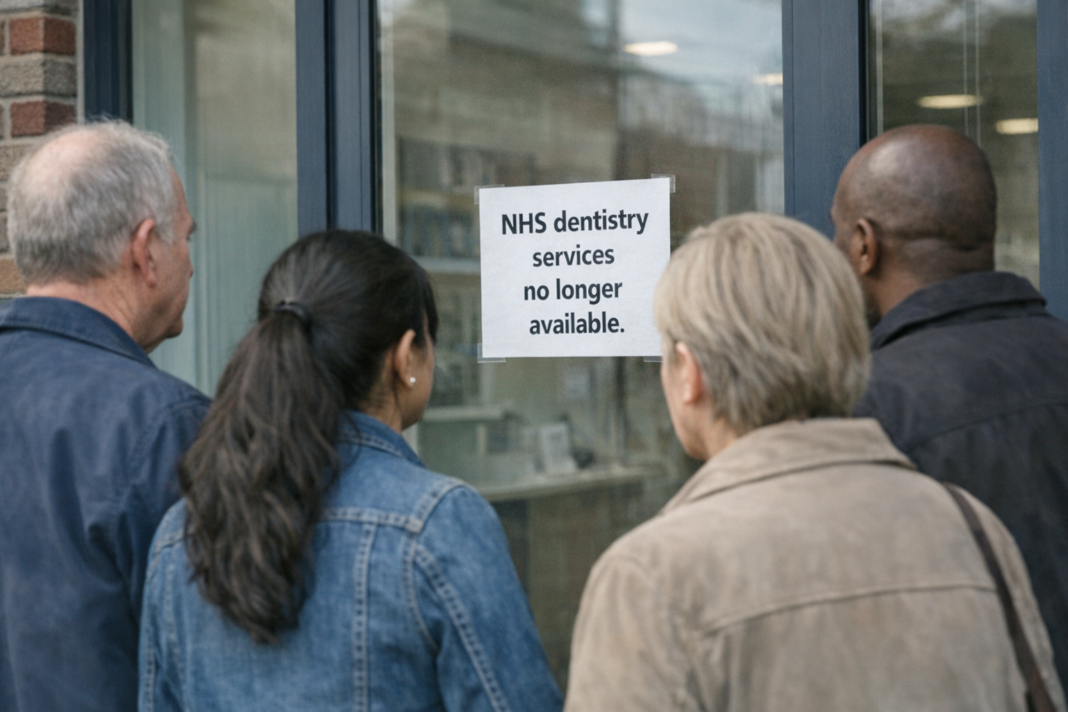
NHS dentistry in England has lost close to 600 practices from the publicly funded system over the past ten years, a shift that is reshaping how people access dental care. The wave of departures has left many communities with fewer NHS appointments and more reliance on private provision, fuelling concerns about a growing two-tier service. Officials at NHS England monitor commissioning and capacity, but the withdrawal trend has already altered patient routes to routine and urgent treatment.
The impact is uneven across regions: some urban and affluent areas retain private options, while other localities report long travel times or waiting lists for NHS appointments. For patients on low incomes or those exempt from private fees, the reduction in NHS provision narrows choices and can delay preventive care. Community health advocates warn that limited access risks worsening oral health inequalities, particularly where plainer services have been replaced by higher-cost alternatives.
Dental professionals and industry observers point to a combination of factors behind the exits, including the structure of contracts, funding pressures and workforce shortages. These issues have affected practices’ ability to balance clinical workloads with rising operating costs. The shift has also prompted debate about the sustainability of current payment models in dentistry and the capacity of training and recruitment pipelines to meet demand for NHS services.
Policymakers, professional groups and local commissioners are discussing measures to stabilise access: potential contract adjustments, targeted funding and incentives to retain NHS provision in underserved areas. Any effective response will need to address both immediate gaps in appointments and the longer-term recruitment and retention of dentists willing to work in the public system. For patients, the immediate consequence is clearer: where NHS practices have closed, choices narrow and private fees increasingly determine the timeliness and scope of care available.
