



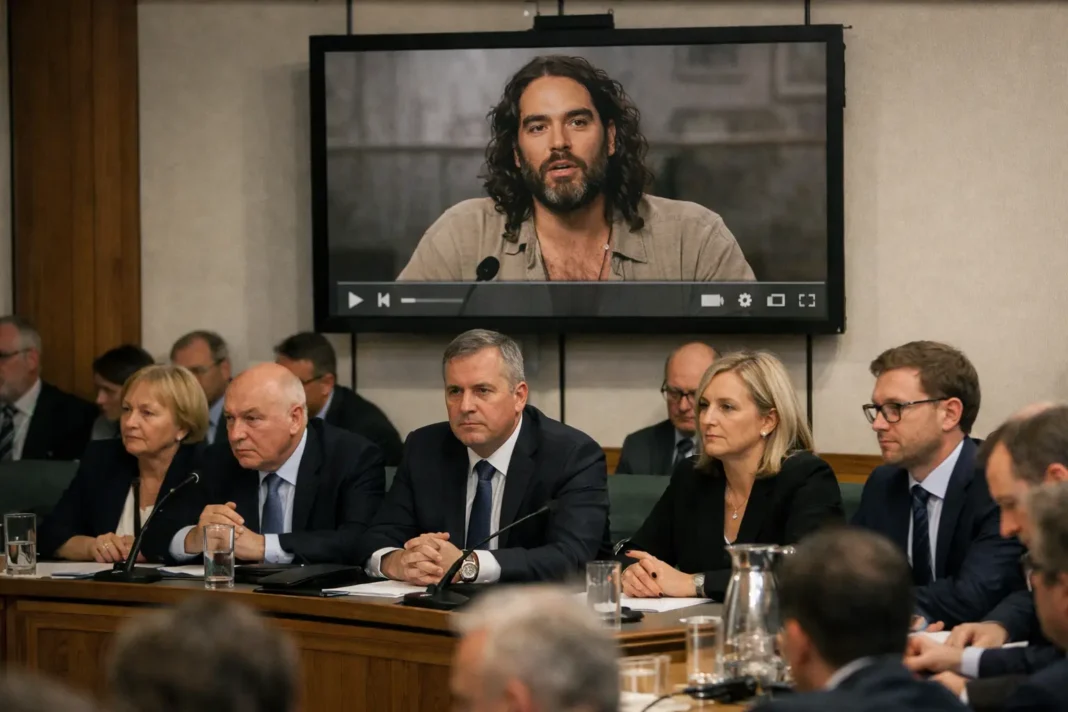
Google has rejected a request from the United Kingdom to remove a YouTube video involving Russell Brand. The decision leaves the video available on the platform for now and places fresh attention on the way major technology companies respond when public authorities seek the removal of online material. Details of the request, including the specific grounds cited and the authority behind it, have not been made public.
The development follows a message shared by Brand’s wife in which he maintained his innocence. The content of the disputed video, the timing of the UK approach and the process used to challenge its availability have not been disclosed. What is clear is that the case has moved beyond a single upload and into the wider field of platform governance, where legal demands, public interest and company rules can collide.
Because YouTube is owned by Google, removal decisions are handled within one of the world’s most influential online ecosystems. Large platforms typically evaluate takedown requests through a combination of national law, internal policies and procedural review. A refusal does not necessarily amount to an endorsement of the material; it indicates that the company has not accepted the basis presented for removal at this stage. The case therefore sits within the broader debate over content moderation and digital regulation.
For the UK, the episode highlights the limits of public intervention when material is hosted by a global platform operating across multiple jurisdictions. For Google, it reinforces the scrutiny faced by technology companies that must decide how far to comply with government-linked requests while protecting access to lawful speech. The refusal may not end the matter, but it underlines how decisions over individual videos can carry consequences for transparency, accountability and online expression.