




Stay ahead of the curve with our weekly guide to the latest trends, fashion, relationships and more
Stay ahead of the curve with our weekly guide to the latest trends, fashion, relationships and more
Stay ahead of the curve with our weekly guide to the latest trends, fashion, relationships and more
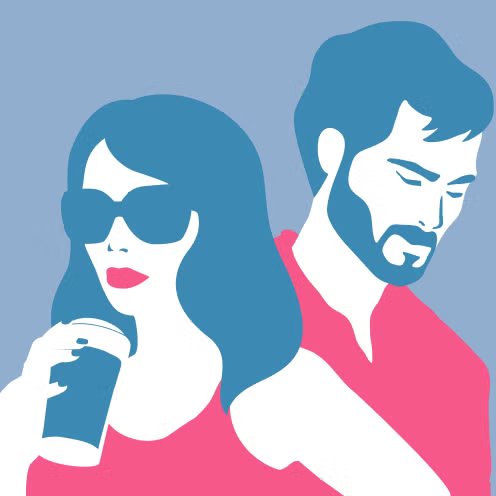
I’m on a sunlounger having a conversation with myself. So far, we’ve discussed the weather (delightful but a little cloudy), the book I’m struggling with (a Polish novel a friend bought me), and my anxiety about the emails I haven’t replied to (there are hundreds). This is supposed to be a holiday, one I’ve waited months for, and yet I couldn’t feel less relaxed.
If anything, having spent the last two days alone in a remote French suburb – a tactic employed to help me decompress before some friends join me – my prone-to-overthinking brain feels more wired than ever, desperate for something to cling to that will propel it into a deep yet strangely comforting downward spiral.
In a world where everyone is always online, and our phones are practically attached to our bodies, it’s no wonder many of us struggle to switch off and decompress. According to recent research by Virgin Media O2, Britons are set to spend an average of four years and eight months of their lives using mobile phones unintentionally, wasting years of our lives in the process to… what? Watch videos of cats growling at tigers that were probably made by AI? Unless that’s just my algorithm.

Meanwhile, according to research carried out by social travel company Flash Pack, 88 per cent of British travellers want to use their phones less on holiday, yet only 8 per cent of them actually manage to switch them off. I’m very guilty of this, and am always very good at finding reasons to switch my phone back on after I’ve turned it off and locked it in a drawer: what if there’s a natural disaster and I need to call my family? What if someone I love has had a sudden accident? What if my cat sitter needs to know where I keep the litter?
“We are in a constant state of psychological readiness, and our nervous system is at a state of heightened activation, which makes it difficult to relax,” explains psychotherapist Nino Sopromadze. “Our phones are extensions of us, which blurs the lines between work and rest. Our nervous system doesn’t get a clear signal that it’s safe to switch off, and it definitely isn’t designed to switch instantly from chronic alertness into deep relaxation.”
But not being able to relax is about more than suffering from a raging screentime addiction, one that, in my case, keeps me in a perpetual state of waiting for notifications. Because even when the phone is off and locked in a drawer, I still find it hard to be present. Instead of listening to the soothing sounds of the cicadas or feeling the warmth of the sun on my face, my mind is busy inventing reasons to panic: is that person who hasn’t replied to my WhatsApps secretly mad at me? Did I offend people when I made that dirty joke the other day? Do all my friends hate me? And so on.
This is mental noise, and isn’t supposed to get louder on holiday. But in the modern world, a holiday feels rarer than it perhaps once did. To those of us under pressure to make ends meet in the cost of living crisis, working multiple jobs and juggling various projects that often bleed into our evenings and weekends, allowing ourselves to just sit still for a bit is unfamiliar territory.
“Holidays give us something we’re not used to anymore: thinking time,” says Lee Thompson, co-founder of the travel brand, Flash Pack. “And thinking time can be your best friend or your worst enemy. You’re suddenly not busy, and your brain fills the gap. Realistically, it takes about three days to properly switch off. Your brain needs that long to stop performing and start resting, which is why a long weekend rarely does it.”
Try not to take a photo for the first 20-30 minutes after arriving somewhere new … Give your brain a chance to absorb it first
Sarah Hodges, Therapy Network Manager at Headspace
Part of the problem is the pressure we put on ourselves. We build holidays up like they’re going to magically cure all of our underlying stressors and then feel confused when that doesn’t happen the second we slather ourselves in SPF. “One of the biggest misconceptions about vacation is that we should feel relaxed the minute it begins,” says Sarah Hodges, Therapy Network Manager at Headspace. “Our nervous systems don’t work like a light switch; we need time to shift out of ‘doing” mode and into relaxation mode. Instead of rushing to fit everything in, take a walk, unpack, and simply let yourself arrive.”
There are more tangible things we can do, too, to help ground ourselves in the moment. Even if you can’t lock your phone in a drawer (this might actually make matters worse because suddenly it feels forbidden), you could rethink your holiday photography strategy, perhaps. “I would suggest delaying your first vacation photo,” adds Hodges. “Try not to take a photo for the first 20-30 minutes after arriving somewhere new. We often shift to document the moment before we give ourselves the opportunity to truly experience it. Give your brain a chance to absorb it first; you’ll often feel more grounded and present.”
Sartorially, there are tricks, too, that might help you to delineate between your holiday and non-holiday lives. I have a trunk full of summer clothes that I tend to only wheel out for holidays: sheer slip dresses I wouldn’t wear in London, co-ords I’ve worn to festivals, and oversized linen shirts I like to put over bikinis. “Wear something that is only for vacation, a favourite shirt, sandals, a specific hat you don’t wear at home,” suggests Hodges. “Our brains create strong associations, and those small cues help signal that it’s safe to slow down.”
Another useful tip can be to refrain from organising too many activities on your holiday, allowing for spontaneous plans that you can make based on how you’re feeling in the present moment as opposed to committing to something you inevitably wind up cancelling. “Don’t optimise the holiday,” says Sopromadze. “A packed itinerary is just work in a sun hat; be honest with yourself. Scheduling every minute can be a way to avoid rest. Let things unfold naturally; whether it leads to boredom or spontaneity, this is often where genuine rest begins.”
Taking rest seriously is not something that comes naturally to our culture. And as a freelancer, I’m as guilty of that as anyone, always finding an excuse to work instead of simply chilling out. But chill out we must, and not just for the obvious reasons. In her book Sacred Rest, Dr Saundra Dalton-Smith claims there are seven types of rest: physical, mental, spiritual, sensory, creative, emotional, and social. And we need all of them to thrive – a study conducted by UC San Francisco in 2024 found that deep rest can benefit our bodies on a cellular level, too, which can protect us against myriad diseases.
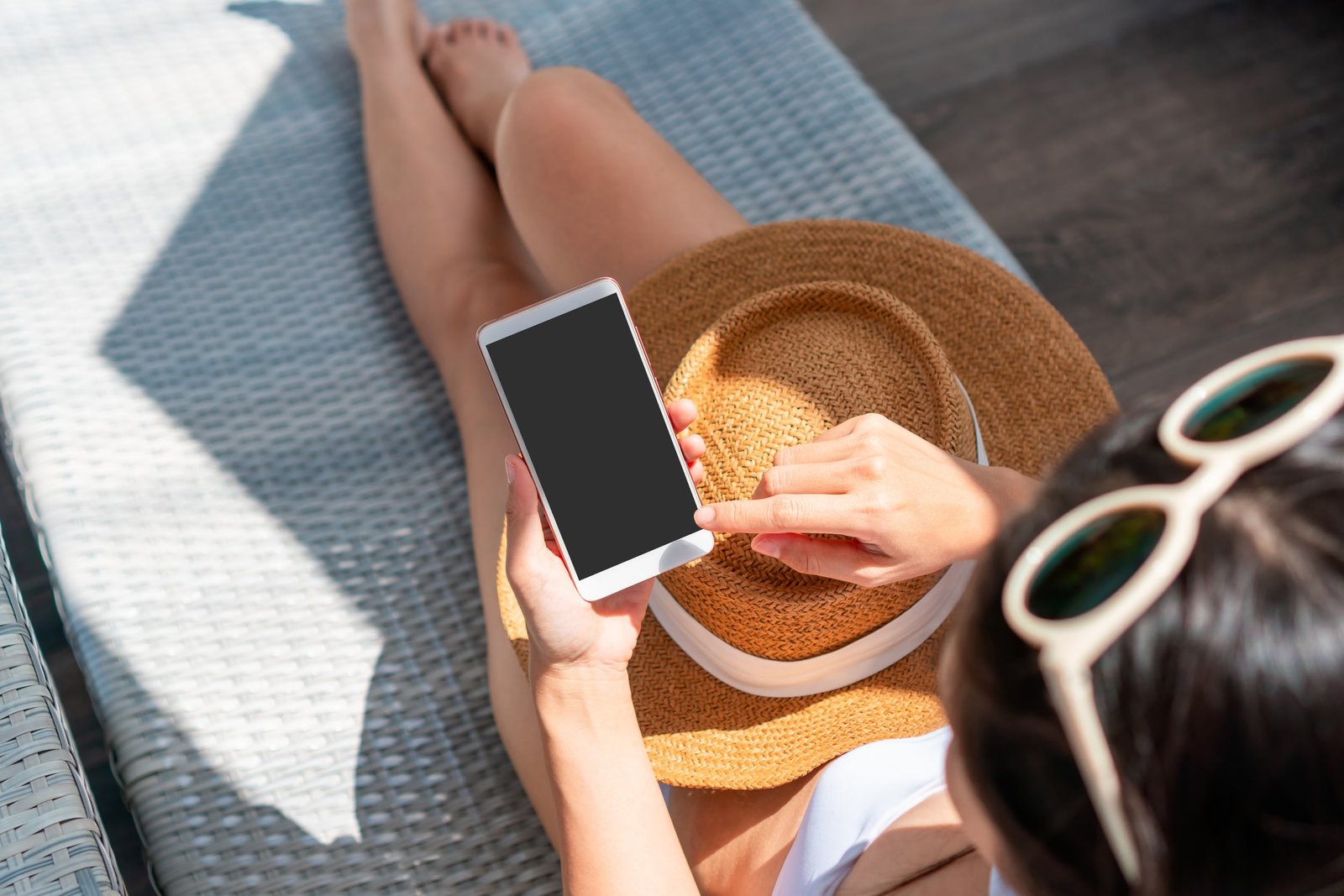
“Taking time to relax can have a huge impact on both our physical and mental health, helping to reverse the impact of stressors,” says Rex Fan, lead behavioural insights specialist at Bupa UK Insurance. “Switching off can help improve your blood pressure, mood and sleep, which all contribute towards better physical health and better mood.”
Finally, if all of this feels like one step too far, remember it’s okay to take it slow. The last thing any of us needs is to get stressed about trying not to be stressed. “Aiming high with your switch-off goals might make it easier to fall at the first hurdle whilst you’re on holiday,” adds Fan. “Instead, it’s better to break down your behaviour, and focus on making smaller changes throughout your break. For example, instead of not checking your phone for the entire day, set time aside where you leave your phone out of sight for, say, 30 minutes or so.”
After about a week, I felt myself starting to properly relax into my holiday, which is how I ended up extending it by another week. By the end, I’d lost track of what day it was, living perpetually on Sunday time, which I think was a good sign. Still, it took much longer than I would’ve liked to get there. Practice makes perfect, they say, which is why I’m already researching my next holiday.
Source:
www.independent.co.uk