



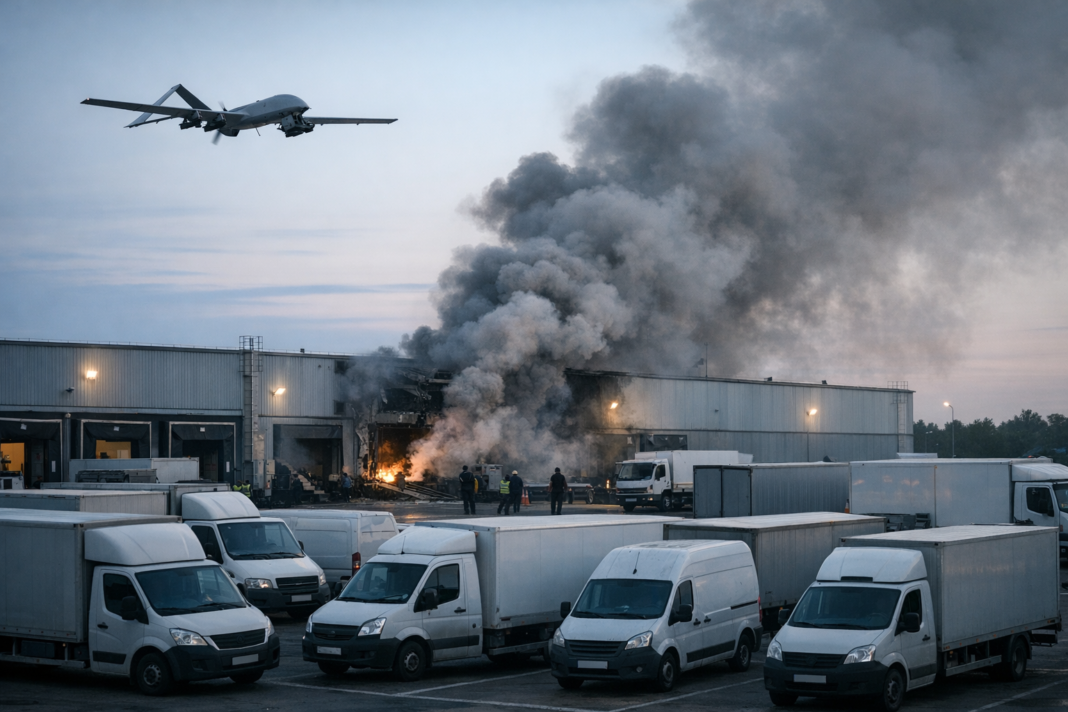
Ukrainian drones have recently struck major logistics hubs and warehouses inside Russia, destroying what Ukrainian officials say were millions of dollars’ worth of merchandise. The facilities hit include distribution centres used by large online retailers such as Wildberries and Ozon. Kyiv has framed some of the strikes as aimed at supply chains supporting combat operations, while the damage has also disrupted ordinary consumer deliveries across the country.
Matthew Sussex, an associate professor in strategic studies at Deakin University, described the campaign as designed to go beyond military supply lines and to affect daily life for Russian shoppers. By degrading the availability of ordered goods and complicating logistics, the strikes increase economic and practical friction for consumers who rely on online retail platforms and home delivery services within Russia.
Vladimir Putin faces the domestic effects of those disruptions at a time when the conflict continues into its fourth year. Analysts note the potential for such pressures to accumulate, even as there are no clear signs that Moscow is seeking a negotiated exit. Military- and logistics-focused strikes impose costs on companies and households, creating a layer of economic strain that could influence public sentiment, supply-chain resilience and corporate risk calculations.
The evolving pattern of targeting commercial infrastructure highlights the vulnerabilities inherent in contemporary supply networks and the blurred line between military and civilian logistics in a protracted war. The commentary by Sussex appeared on a podcast produced by The Conversation. Disclosure attached to that episode notes that Sussex has received funding from entities including the Australian Research Council, the Fulbright Foundation, the Carnegie Foundation and the Lowy Institute, as well as various Australian government departments and agencies.