



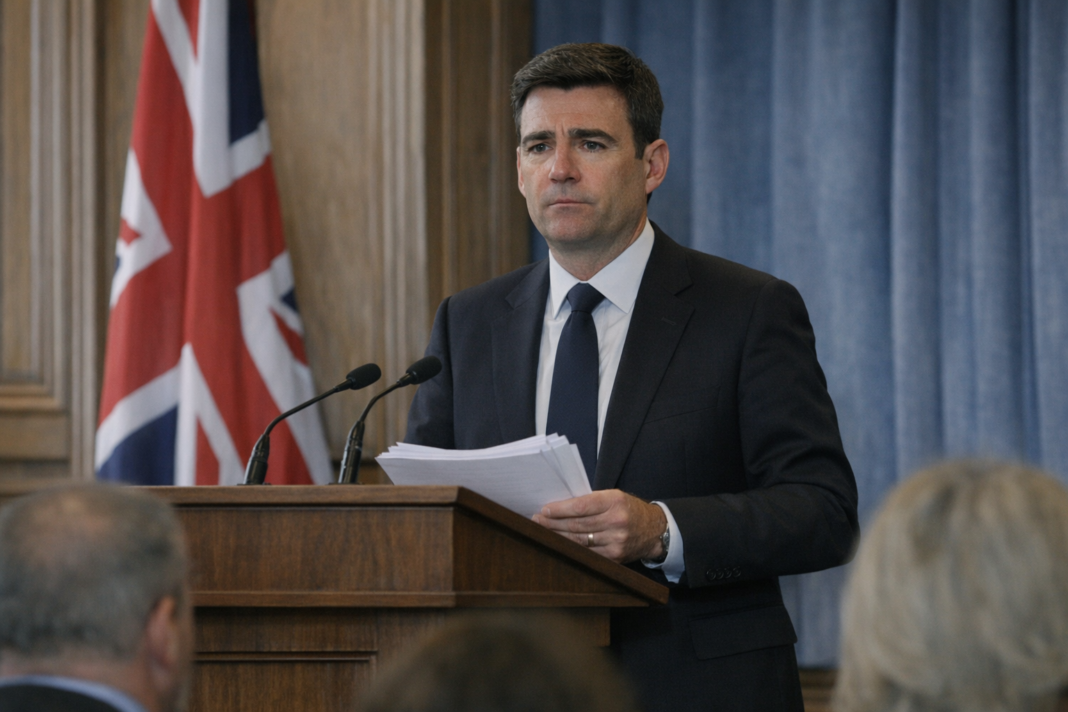
Prime Minister Burnham has publicly dismissed characterisations that he is a “tax and spend socialist” and said he is prepared to take “difficult decisions” when presenting next month’s Budget. The rebuttal came as the government sought to set the tone for a fiscal statement expected to address competing pressures on public spending and revenue. Burnham framed his stance as a commitment to responsible management of public finances while rejecting partisan labels attached to policy choices.
The exchange highlights the heightened political scrutiny that traditionally accompanies pre-Budget debates. Critics frequently deploy succinct labels to shape public perception of proposed measures, while administrations use such moments to reassure markets, civil servants and voters about their priorities. The prime minister’s refusal to accept a simple ideological tag signals an attempt to re-focus attention on the substance of forthcoming proposals rather than on rhetoric.
Observers will watch how this positioning translates into concrete measures. The Budget will be the government’s opportunity to outline where it intends to allocate resources and whether it will adjust taxation, borrowing or spending plans. The phrase “difficult decisions” suggests potential trade-offs that could affect public services, investment plans and fiscal targets, but the precise mix of measures will only be clear when the Budget is published and debated in Parliament.
The immediate consequence of Burnham‘s statement is a recalibration of messaging as departments prepare their submissions and as opposition parties sharpen their lines of attack. Stakeholders across the public and private sectors will be looking for detail to assess the Budget’s likely impact. Until those measures are laid out, the prime minister’s rejection of the label remains a rhetorical move intended to frame the forthcoming fiscal choices as pragmatic rather than doctrinaire.