



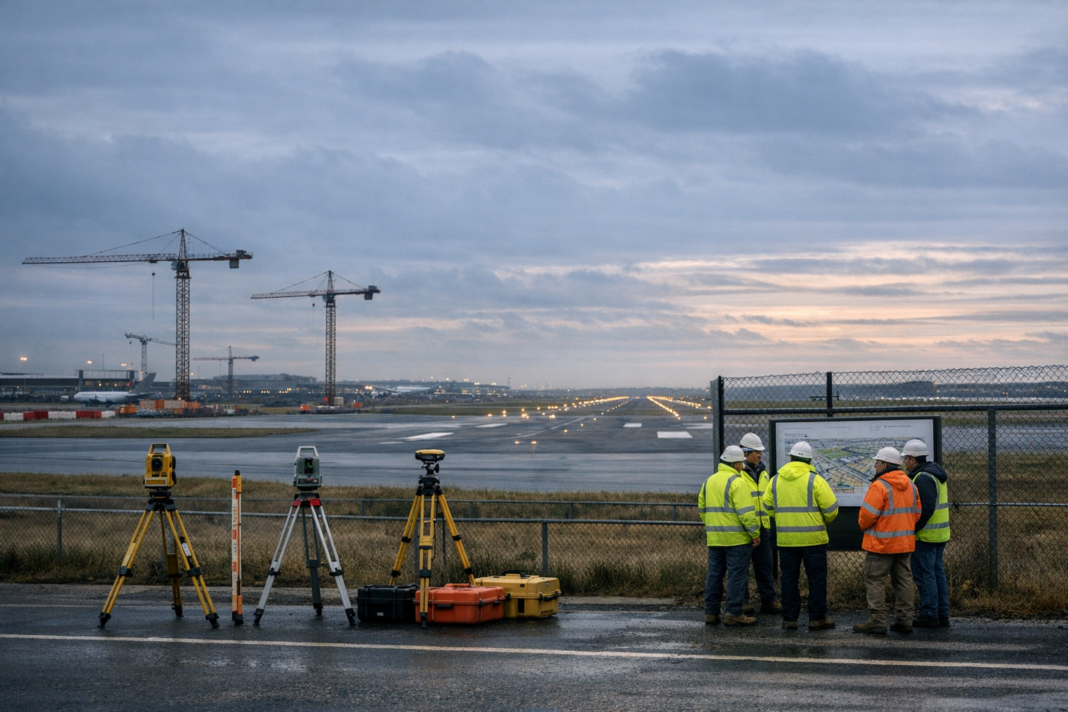
Heathrow expansion faces fresh uncertainty after airport officials acknowledged that the previously stated 2035 operational deadline is no longer achievable. The airport now says it expects to secure planning permission by 2029 and aims to open the contested third runway “within a decade,” a shift that would push full operations into about 2039 and represents as much as a four-year slippage from earlier projections.
The timetable adjustment comes amid political unease: the prime minister declined to state whether the government backs the project when questioned, leaving the scheme’s political footing unclear. Airport chiefs have framed the change as a recalibration of delivery milestones, while opponents argue the delay intensifies doubts over the expansion’s justification and affordability. Critics say the revised schedule strengthens calls for renewed scrutiny of both the need for additional runway capacity and its wider impacts.
The new timeline is likely to complicate planning for airlines, local authorities and investors that had been preparing for growth tied to the earlier date. Securing planning permission by 2029 will be a key step, but the phrase “within a decade” introduces material uncertainty around procurement, construction sequencing and financing. The postponement is set to reawaken debates about airport capacity, surface transport links and environmental commitments as stakeholders reassess assumptions that underpinned the original schedule. Observers will watch whether the delay prompts changes to mitigation measures, funding arrangements or regulatory conditions attached to any future consent.
For now, the project remains in a contested position: proponents emphasise long-term capacity needs while opponents point to the shifting timetable as evidence that the case requires reassessment. The next milestones to monitor are any formal submissions toward 2029 planning approval and clearer statements from ministers about policy direction. With timelines extended, local communities, campaign groups and industry participants will press for more detailed information on cost, delivery risk and the potential consequences for regional transport planning and climate targets.