



Climate Impact Lab researchers at the University of Chicago combined seasonal forecasts with regional mortality data and estimate that the current super El Niño could cause about 451,000 additional heat-related deaths worldwide through February 2027. The analysis, which draws on temperature projections and historical links between heat and mortality across 24,378 regions, identifies the Sahel as the most exposed region and points to Nigeria as the single country likely to suffer the largest increase in deaths.
The study highlights four countries in particular: Nigeria, Sudan, Niger and Chad. Large temperature anomalies are expected across the Sahel, and poverty and limited access to reliable power amplify vulnerability. Country-level figures cited in the research include estimates that more than 60% of people in Nigeria lived below the national poverty line in 2025 and that Sudan, Niger and Chad face high poverty rates and low electrification. The report projects roughly 66,800 additional heat deaths across these four countries, with about 31,400 in Nigeria, 17,500 in Sudan, 10,000 in Niger and 8,000 in Chad.
The research team used seasonal forecasts from the European Centre for Medium-Range Weather Forecasts alongside peer-reviewed analyses of how temperature shifts translate into excess mortality compared with 1996–2025 averages. Vulnerable groups identified in existing literature include people aged over 65, children under five, those with chronic illnesses and outdoor workers. Related work by the same researchers also highlights stark inequalities in cooling capacity: in many low-income countries the additional electricity available during heat spikes would be sufficient to power only a single LED bulb per person for months, rather than air conditioning.
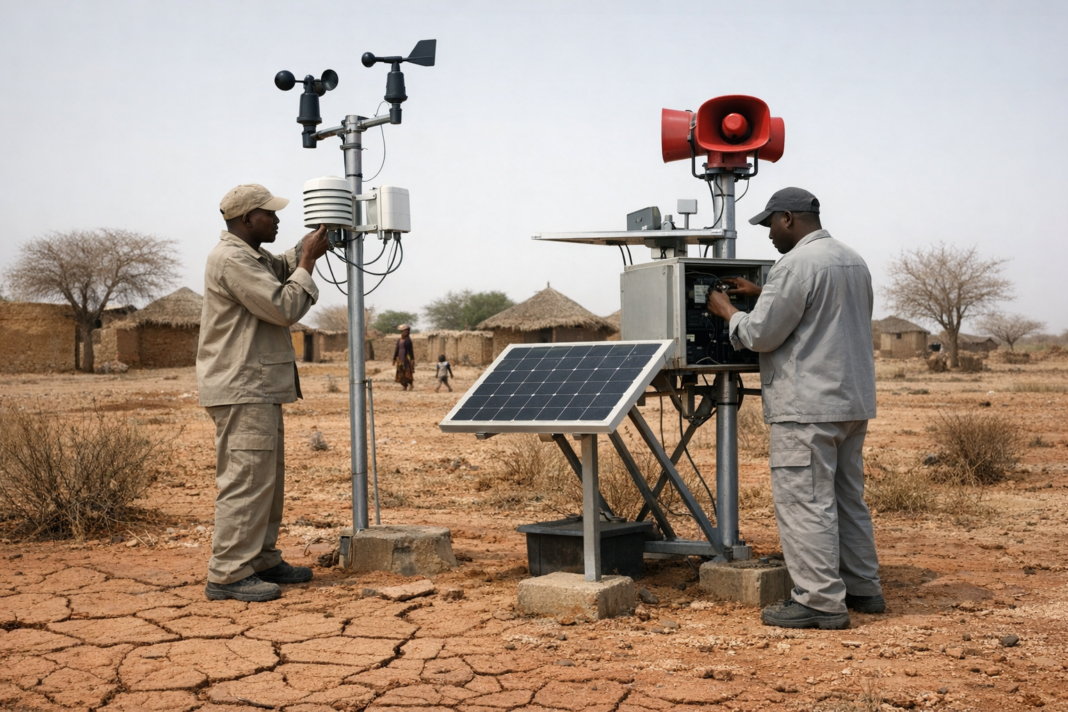
To reduce loss of life in the near term the team points to proven measures catalogued in their Adaptation Inventory. Effective interventions include early- warning systems and heat action plans, targeted outreach to the elderly and chronically ill, cooling centres and hydration stations, protections for outdoor workers during peak heat, and preparing health services with extra staff and supplies. The researchers stress that readying these measures now can reduce the human toll as the super El Niño unfolds.