



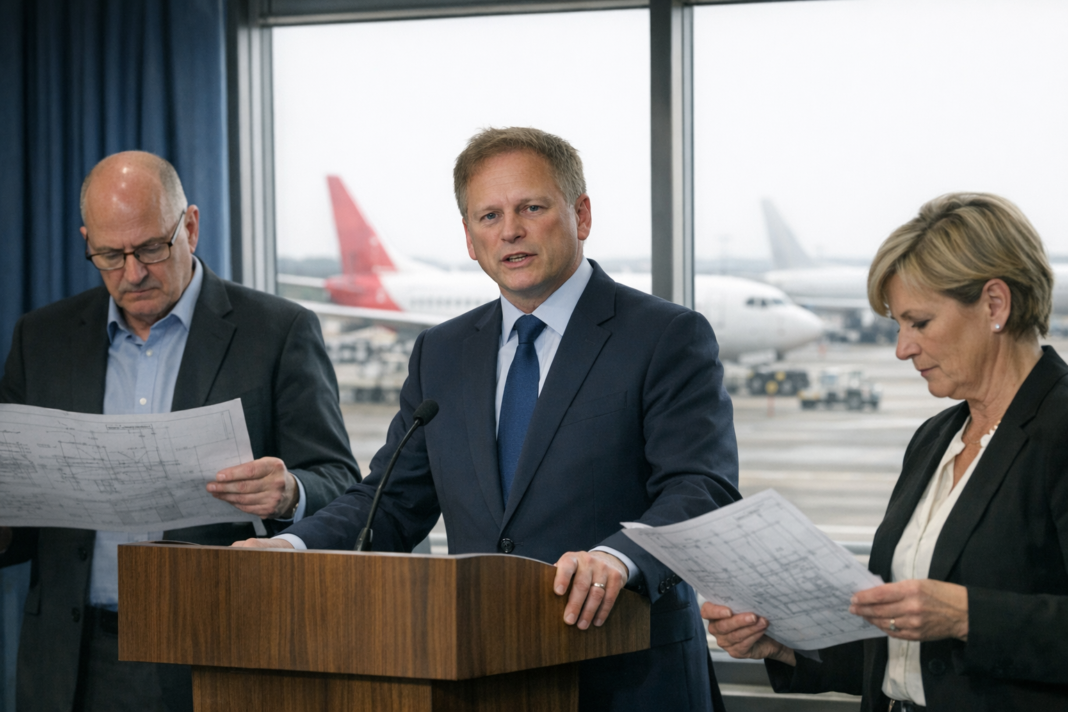
Air travel disruption escalates after a technical failure at the UK’s main air traffic provider prompted roughly 2,000 flight cancellations and widespread delays affecting hundreds of thousands of passengers. The head of Nats, the organisation responsible for the country’s air traffic services, has been given seven days to deliver a detailed account of what went wrong and why, as ministers seek a swift explanation.
The transport secretary, Heidi Alexander, has also commissioned an independent review by the Civil Aviation Authority to examine the technical malfunction and the provider’s contingency arrangements. Ms Alexander said she did not consider the incident to be unavoidable and that the review will look at the sequence of events, system resilience and measures needed to prevent a recurrence. The move signals a regulatory scrutiny of operational safeguards across the air traffic control network.
Officials said the one-week report from Martin Rolfe, the senior executive at Nats, should set out the immediate causes and any corrective actions already taken. The disruption has underscored vulnerabilities in scheduling and recovery processes for airlines and airports, with effects rippling through bookings and connections in the UK and beyond. Airlines have had to alter timetables and rebook passengers, while airports faced peaks of congestion as services were rescheduled and equipment checks were carried out.
The independent CAA review and the Nats report are expected to inform whether further regulatory or operational steps are required. Ministers and industry leaders will be monitoring the findings to determine necessary reforms to systems and procedures across the aviation sector. The episode is likely to renew focus on investment in technical infrastructure and robust contingency planning for national aviation services, with regulators charged with assessing both root causes and the adequacy of the immediate response.