



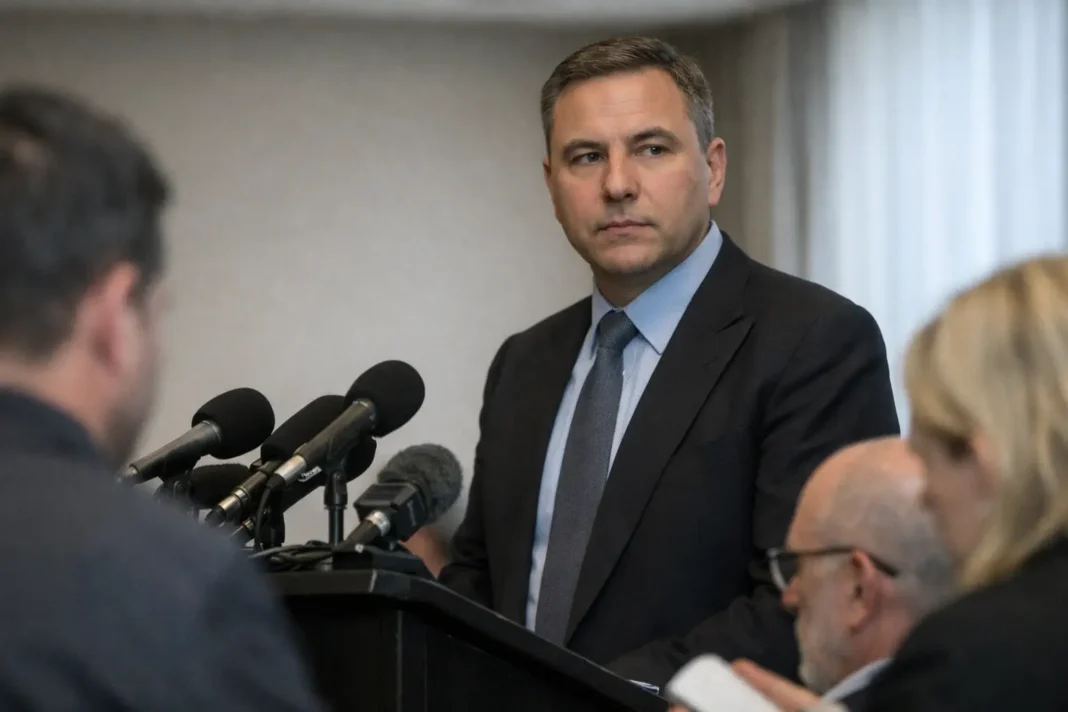
Fresh scrutiny surrounds David Walliams after an author said there had been “real concerns” about him within the publishing industry. The comments have brought renewed attention to allegations concerning conduct said to have taken place more than 10 years ago. David Walliams, the comedian and writer, denies allegations of sexual misconduct, inappropriate behaviour and abusing his power.
The matter places one of Britain’s most recognisable entertainment figures at the centre of a sensitive discussion about professional standards in cultural workplaces. Walliams built a public profile in comedy before becoming closely associated with children’s publishing, a field where author appearances, editorial relationships and commercial partnerships can create highly visible professional networks. The author’s remarks do not establish wrongdoing, but they add to questions about how concerns are handled when they involve prominent names.
At the core of the issue are allegations that Walliams rejects. The claims include sexual misconduct, inappropriate behaviour and abuse of power, and are described as relating to events more than a decade old. In cases of this kind, the passage of time can complicate public understanding because memories, professional records and institutional responsibilities may all be examined differently from events that are recent. The denial remains a central fact in the story.
The wider significance lies in the pressure on creative industries to address power imbalances without abandoning due process. Publishing relies heavily on reputation, access and long-term professional relationships, particularly where well-known authors work with agents, editors, booksellers, festivals and schools. Allegations involving senior or commercially successful figures can therefore raise questions not only about individual conduct but also about whether concerns were heard, recorded or acted upon at the time.
No finding against Walliams is established by the author’s comments, and the allegations remain denied. The episode nevertheless reflects a broader shift in the cultural sector, where past behaviour by high-profile figures is increasingly examined through present-day expectations around safeguarding, workplace conduct and accountability. For publishers and public figures alike, the case underscores the continuing challenge of responding to claims seriously while preserving fairness for all parties involved.
