




Unlock the Editor’s Digest for free
Roula Khalaf, Editor of the FT, selects her favourite stories in this weekly newsletter.
Mike Ashley has said that Harvey Nichols is in a “death spiral” and turning around the luxury department store chain would be a “huge challenge” as the retail tycoon vies with Next to buy it from longstanding owner Sir Dickson Poon.
The Sports Direct founder told the FT that he believed his retail empire Frasers Group would be able to offer a higher price for Harvey Nichols than Next.
“We are more likely to overpay . . . It’s more of a natural fit so we can pay more,” he said. Ashley added he “wouldn’t be crying a river” if Frasers loses the auction “and I don’t think Next would be either”.
“I don’t think I’ll be writing a huge cheque, because you’ve got to think about the future losses. If it was a little bit tough before, it is in a death spiral now,” Ashley said.
The billionaire, who has a long history of buying struggling retail rivals in cut-price deals, said he expected Harvey Nichols to be sold for less than £40mn.
After 35 years of ownership, Poon appointed FTI Consulting to find a buyer for Harvey Nichols in June after several years of losses. Final bids for the retailer were due on Wednesday night and discussions were still ongoing on Thursday, according to a person close to the process.
Interested parties have previously been told they must commit between £50mn and £60mn to fund the luxury retailer’s turnaround plan. However, a source close to the process said Poon was likely to have to inject cash into any deal to make it more attractive for buyers.
Separately, Hong Kong’s Market Misconduct Tribunal last week found Poon culpable of insider dealing in shares of Dickson Concepts, a company that he founded.
Dickson Concepts said: “Both the company and Mr. Poon are very disappointed with the MMT ruling. They and their respective lawyers are reviewing the report and we have no further comment at this stage.”Harvey Nichols is privately owned by the Poon family trust.
Neither Ashley nor Next’s chief executive Lord Simon Wolfson was aware of Poon’s insider trading case, according to a person familiar with the matter.

If Frasers prevails in the auction, Ashley said he would be inclined to keep the retailer’s flagship store in London’s Knightsbridge and its store in Edinburgh trading under the Harvey Nichols brand.
However, he said he would rebrand some of its other stores to either House of Fraser or Flannels, both of which are owned by Frasers. Harvey Nichols also has stores in Leeds, Birmingham, Manchester, Dublin and Bristol.
Ashley said that whilst there were about 60 House of Fraser stores when he bought the business for £90mn in 2018, there are now just 20 because high business rates and the cost of refurbishment made it difficult to make a return.
“These department store buildings are so expensive to maintain . . . If even John Lewis is struggling, it shows how tough it is,” he said. “I don’t buy things to close them down. I don’t lose money for no reason,” Ashley added.
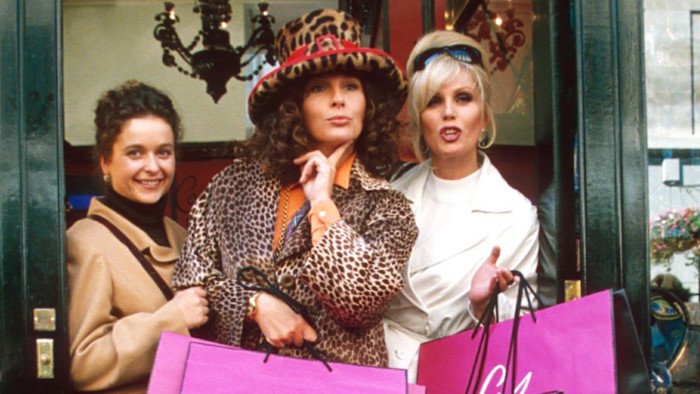
Harvey Nichols’ recent travails are in stark contrast with the 1990s, when its association with the BBC sitcom Absolutely Fabulous gave it nationwide cachet.

The chain has racked up cumulative pre-tax losses of £141.2mn over the past five years. It has had to contend with a subdued luxury market and the scrapping of tax-free shopping for tourists, which has made London less attractive to big spenders. Its latest set of accounts is four months overdue.
The prospect of Ashley triumphing in the auction has led to nervousness among Harvey Nichols’ staff and suppliers following the demise of Matchesfashion, according to people familiar with the matter. Frasers bought the online luxury retailer in 2024, only to put it into administration three months later, leaving suppliers out of pocket.
Harvey Nichols said it “remains fully focused on delivering its transformation strategy. We are making strong progress across the business, including a complete refurbishment of our flagship store in Knightsbridge, which is showing positive early signs of growth and reinforces our confidence in the direction of the business.”
Next declined to comment.
Additional reporting by Elizabeth Paton and William Langley
Source:
www.ft.com