



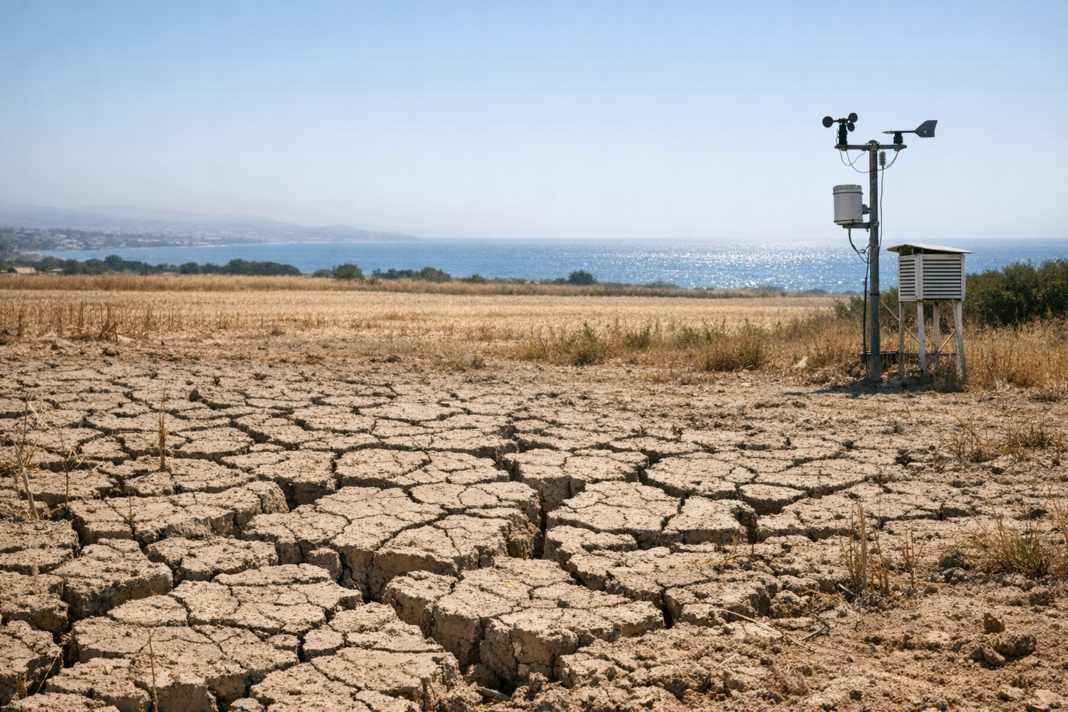
Europe’s 2026 summer was marked by prolonged and widespread heat that affected cities, rural areas and coastlines across the continent. Scientists and monitoring agencies have highlighted a set of interacting conditions that together pushed temperatures well beyond seasonal norms. The episode forms part of a broader trend in which Europe is warming faster than the global average, increasing the likelihood that similar summers will recur.
The first factor was persistent atmospheric blocking: long-lived high-pressure systems that limited storm tracks and kept skies clear for extended periods. Second, deepening soil moisture deficits amplified daytime warming by reducing evaporative cooling in agricultural and forested regions. Third, unusually warm seas, particularly in the Mediterranean, reinforced heat near coasts and increased humidity inland, complicating heat stress. Fourth, expanding urban heat islands raised nighttime temperatures in metropolitan areas, slowing overnight relief. Fifth, the coincidence of these elements with seasonal droughts and active fire seasons meant heatwaves operated alongside other hazards rather than in isolation.
Those combinations translated into tangible impacts on public health, water supplies, agriculture and energy systems. Hospitals reported increased heat-related admissions and municipalities faced greater demand for cooling and emergency services. Rivers and reservoirs recorded lower flows in many basins, constraining irrigation and hydropower production. Firefighting services were tested in several countries where dry vegetation and sustained warmth supported rapid wildfire spread. National and regional authorities used real-time monitoring and warnings to manage risks, while institutions such as World Meteorological Organization and European Environment Agency provided assessments and data support during the peak events.
Looking ahead, the configuration of drivers in 2026 underlines how multiple physical processes can converge to produce extreme seasons. The episode has implications for planning in the areas of climate adaptation, urban design and water management, and it will inform ongoing work on climate policy and resilience at national and EU levels. Researchers continue to analyse observational and model records to refine attribution of the episode and to support preparedness for future heat seasons.