



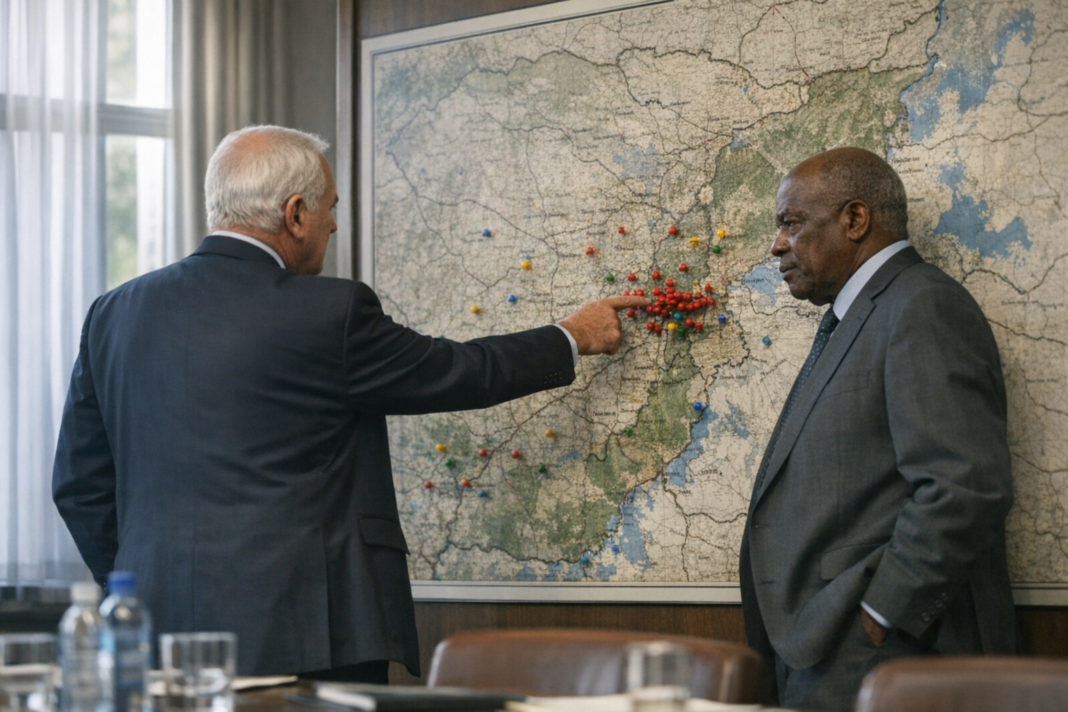
New peace roadmap lays out a set of conditions intended to halt the fighting in the eastern Democratic Republic of Congo, but important disputes persist that could undermine the process. The plan aims to create a framework for ceasefire, security arrangements and political steps, yet parties remain at odds over the status and future of the M23 movement and the role played by Rwanda. Those unresolved issues leave the initiative vulnerable at an early stage.
Observers note that securing durable peace in the eastern DRC requires both local commitments and regional cooperation. The roadmap’s provisions will depend on agreement about how to neutralise armed groups, prevent cross-border interference and protect civilians. Trust between negotiators is limited, and competing interpretations of the roadmap’s terms could slow implementation or trigger new rounds of confrontation if mechanisms for verification and oversight are not clearly accepted by all sides.
The political and security dilemmas carry immediate humanitarian and strategic consequences. Continued fighting risks renewed displacement, restricted access for relief operations and broader instability in the Great Lakes region. The standing disagreements over M23 and allegations linked to Rwanda are central fault lines that negotiators must manage; failure to address them could make the roadmap ineffective and prolong insecurity for communities already affected by years of violence.
For the roadmap to move from paper to practice it will require concrete confidence-building measures, credible security guarantees and sustained engagement from regional and international actors. Progress will likely be incremental and contingent on verifiable steps that narrow gaps between the parties. Until those gaps are closed, the prospects for a stable ceasefire and a political settlement in the DRC remain uncertain, underscoring the fragility of the current initiative.