



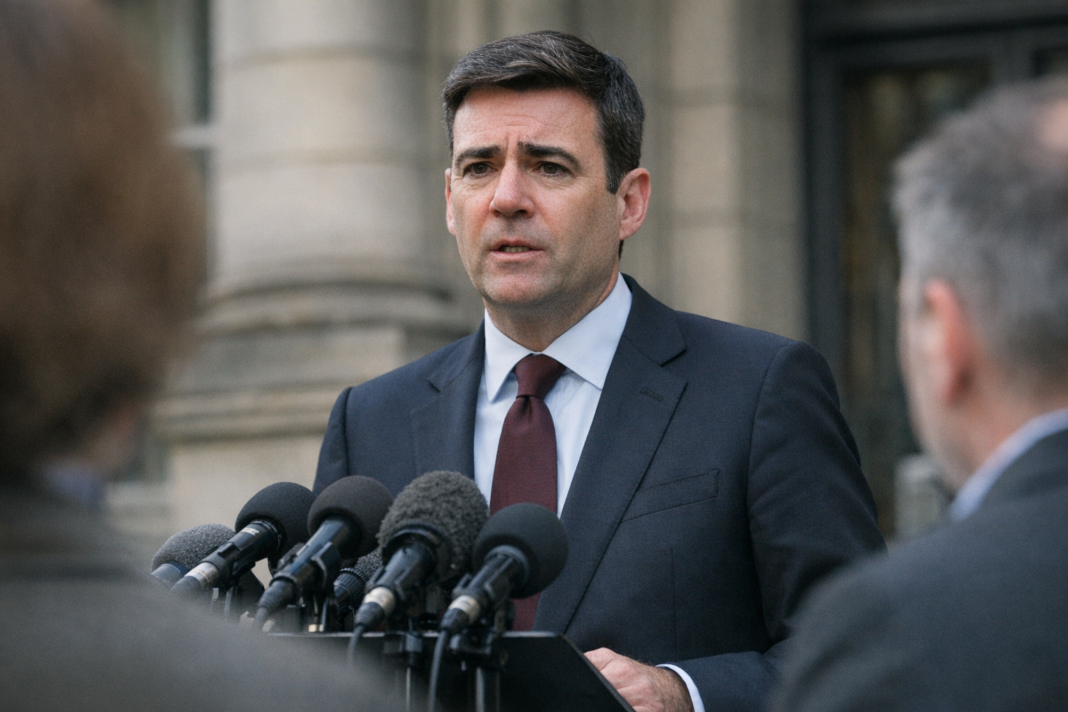
Prime Minister Andy Burnham told the BBC he is not tempted to call an early election, arguing that such a move would throw the country into a “backward-looking process.” In an interview, he dismissed the idea of bringing forward the national vote and presented his stance as a preference to focus on current responsibilities rather than electoral campaigning.
What Mr Burnham described is commonly referred to as a snap or early election, which is held outside the regular electoral timetable. Governments sometimes seek an early poll to try to secure a fresh mandate; opponents regularly warn that the prospect of a hastened ballot can reshape parliamentary priorities and accelerate political positioning across parties.
During the conversation with the BBC, he argued that calling a premature vote would shift attention away from policy delivery and public administration toward retrospective political debate. He used the phrase “backward-looking process” to summarise his concern that campaigning would draw focus away from forward-looking initiatives and long-term planning.
By ruling out an early poll, Mr Burnham left open the established schedule for national elections and signalled a decision to continue operating within the existing framework. His comments set out the rationale he wishes to present to colleagues and the public: that governing priorities should not be subordinated to the short-term dynamics of an unscheduled campaign. Observers will watch whether this position stabilises political calculations in the near term, while parties consider their strategies ahead of the next formally scheduled contest.

