


New guidance warns that medicines aimed at reducing weight should not be used in children younger than ten. The World Health Organization sets a clear preference for non-pharmacological care, stating that interventions should prioritise healthy eating and increased physical activity rather than drugs such as weight-loss injections for this age group.
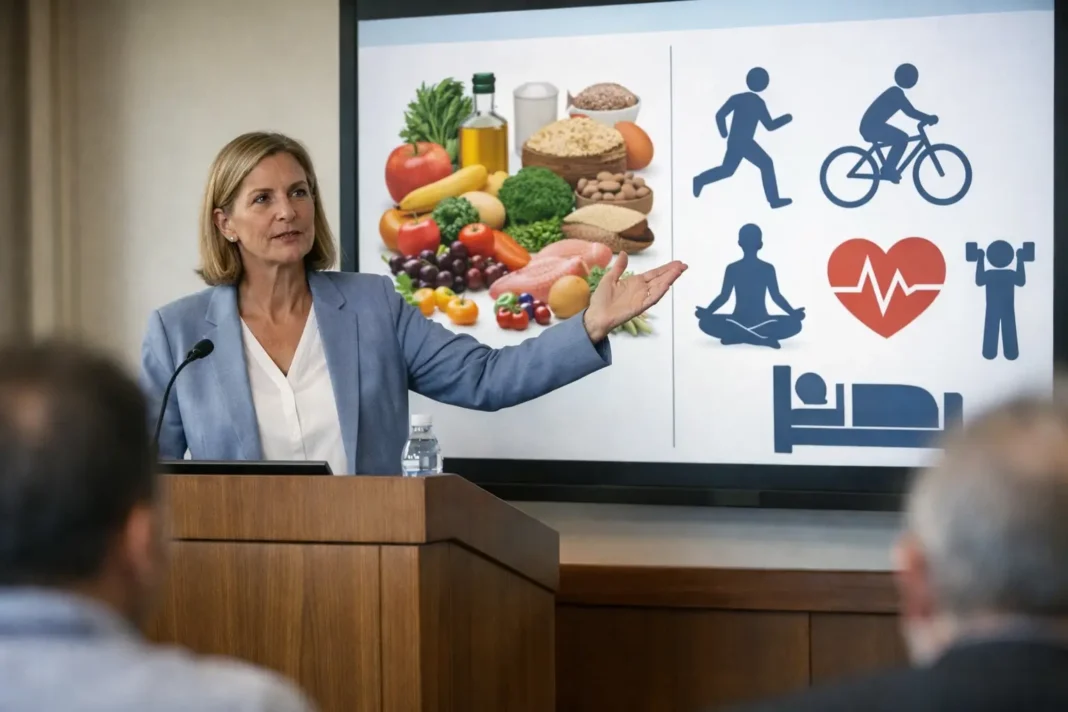
The guidance frames care for young children around supportive, behaviour-focused strategies that can be delivered in community and clinical settings. It highlights the central role of nutrition and movement in managing weight and improving health outcomes, placing these approaches at the centre of clinical pathways for children under ten. Medical therapies are presented as inappropriate for routine use in this population.
For clinicians and service planners, the recommendation emphasises restraint in prescribing pharmacological treatments to very young patients and underscores the need to build programmes that promote healthy habits from early childhood. Health services are prompted to enhance access to dietary counselling, age-appropriate physical activity opportunities and family-centred support that enable sustainable lifestyle changes without relying on medicines.
The guidance also carries implications for policymakers who oversee child health programmes and regulatory decisions. By prioritising lifestyle interventions and cautioning against routine use of weight-loss medications in those under ten, the document encourages alignment of prevention, education and care services with strategies that reduce reliance on pharmacological options. The World Health Organization recommendation aims to steer practice toward interventions designed to support healthy growth and development through diet and exercise rather than through medicinal treatments.
