



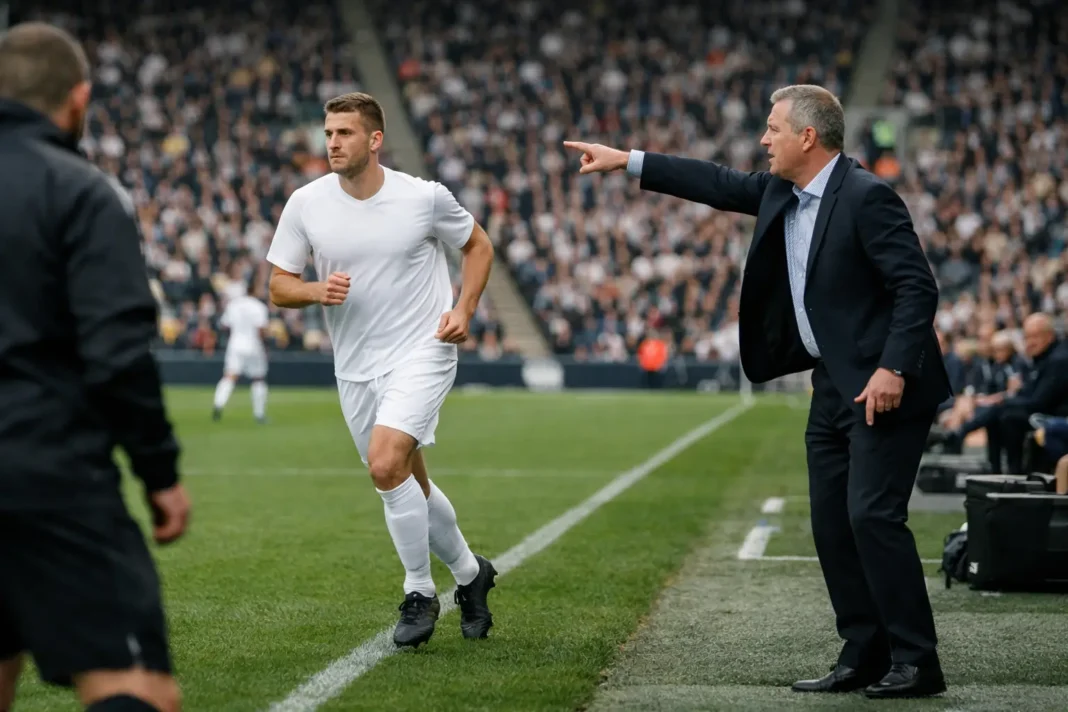
The bench matters more than ever in modern top-flight football. Players brought on late in matches can alter momentum, break tactical deadlocks and manufacture decisive moments that shape title races and relegation battles. Across the Premier League, a distinct category of athletes has emerged: those whose signature contribution is impact rather than endurance.
Coaches increasingly treat substitutions as tactical instruments rather than mere injury replacements. Squad planning now values individuals who combine pace, adaptability and a predatory instinct in limited minutes. At the same time, fixture congestion and evolving match-intensity data have persuaded many teams to deploy specialists whose role is to unsettle tired defenses and provide a different attacking dynamic in the closing stages.
Certain names have come to symbolise that role. Ole Gunnar Solskjær built a reputation as a late-goals specialist during his time at Manchester United, turning brief appearances into match-winning contributions. Javier Hernández gained notoriety for clinical finishing when introduced from the bench, offering managers a reliable option to change the scoreline. In more recent seasons, Divock Origi provided several high-impact interventions, stepping off the bench to deliver key goals and alter the outcome of important fixtures. These examples underline different profiles: a poacher who reads rebounds, a pacey forward who exploits gaps, and a player whose psychological presence lifts a team.
The existence of effective super subs affects recruitment and squad management. Clubs often balance starting talent with finishers who can deliver in concentrated spells, and young players can build profiles as impact substitutes on the pathway to regular starts. For managers, the choice of timing and target for a substitution is now supported by performance analytics that highlight players’ influence per minute and the match situations in which they are most effective.
While starting elevates visibility, the tactical art of the substitute remains a vital, sometimes undervalued component of game management. In a competition as scrutinised as the Premier League, the ability to turn the tide from the bench can prove as decisive as any pre-match plan — and the careers of several specialists show how a few short minutes can write lasting chapters in a club’s history.
