



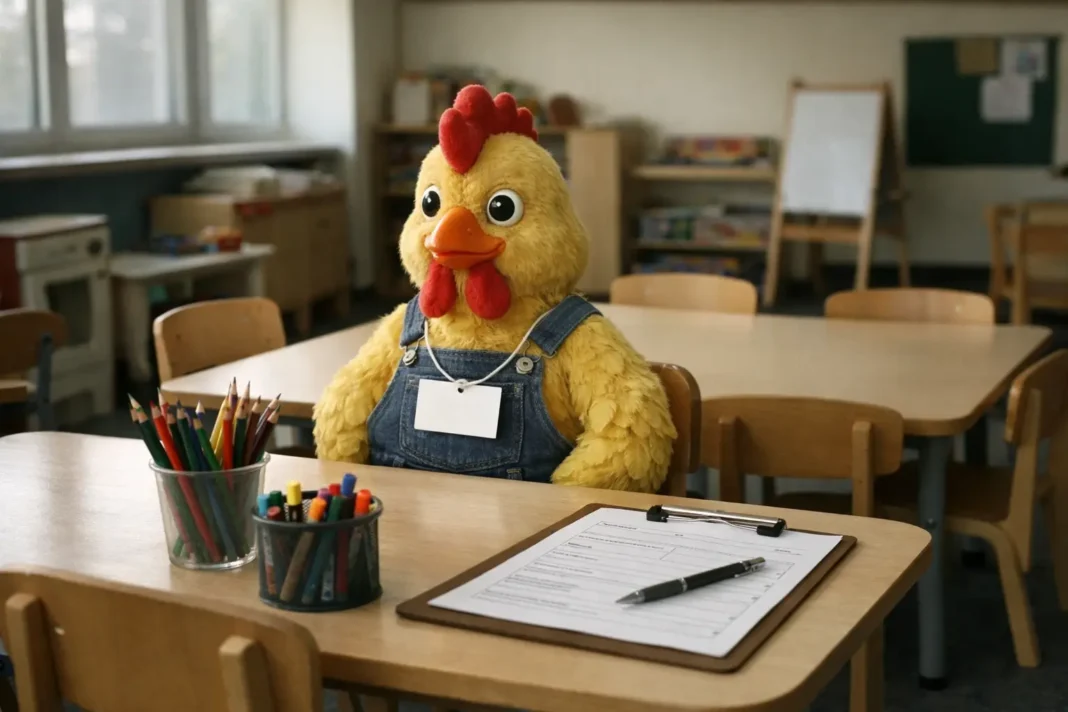
Named animals matter in the lunchroom, according to a recent paper by SWPS University. The study reports that when preschool-aged children were introduced to a chicken given a personal name and a short description of its favourite habits, they were less likely to select poultry. That reduction appeared not only in what children said they would choose but also in their actual meal selections, signalling that simple acts of personalization can influence behaviour among young children. The research frames these findings within broader questions about how children form attachments to animals and how those attachments can shape everyday decisions related to food and consumption. Preschoolers were the focus of the investigation.
The experiment exposed some children to a portrayal of a chicken that emphasized individual traits and routines, while others encountered an impersonal description of the same animal. After the presentations, researchers measured both verbal preferences and observed plate choices when poultry was offered alongside other options. The paper highlights that even minimal details—a name and a few habits—were sufficient to increase the animal’s identifiability and to produce measurable shifts away from selecting that type of meat. This method isolates identifiability as a factor distinct from broader ethical education or nutritional messaging.
Authors underline that the effect was detectable but not absolute: many children continued to choose foods they liked despite expressing concern for the named animal. This limits the extent to which personalization alone can change eating patterns, especially where taste preferences are strong. The results have potential implications for educators, communicators and organisations working on food choices, animal welfare outreach and early childhood curricula, suggesting that humanizing animals can be one element among several to encourage reflection on food origins and animal lives.
Placed in the context of existing research on moral development and consumer behaviour, the study contributes to understanding the tension between affective responses and established preferences. By showing that brief, relatable narratives about an animal can alter both stated intentions and actual selections, the paper points to the nuanced role of empathy in shaping decisions and raises questions about how such insights might be integrated into educational practice without overstating their impact on long-term dietary habits. See also work on empathy for broader context.
