



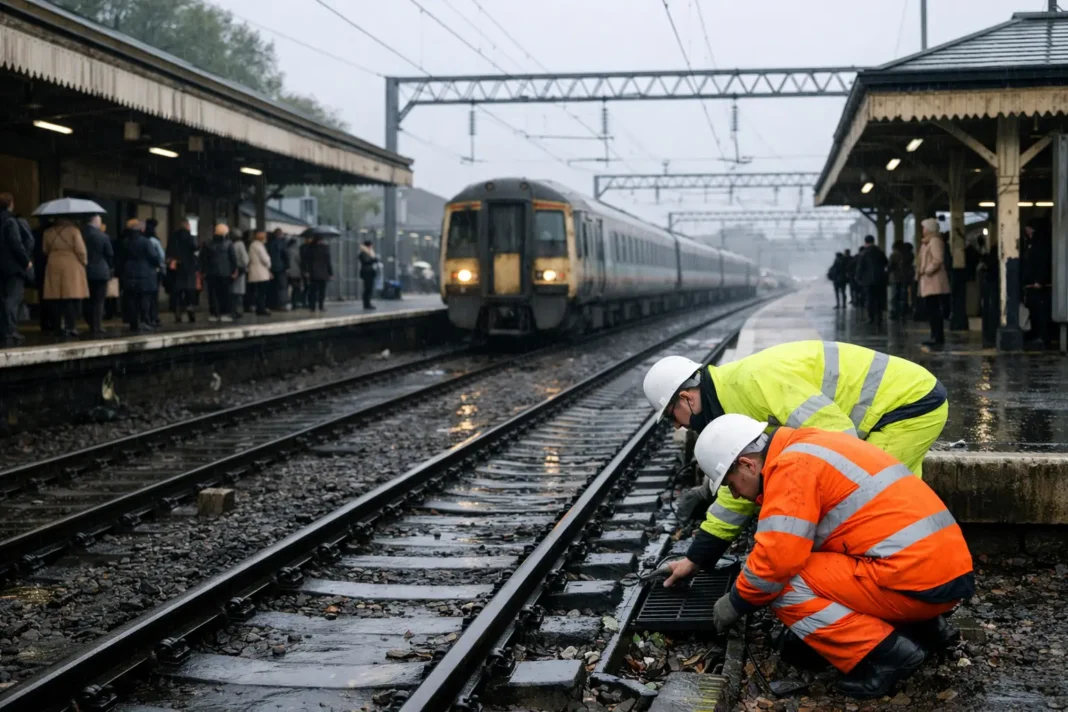
Britain’s railway overhaul is moving closer to a decisive legal milestone, with the creation of Great British Railways potentially secured before Parliament breaks for winter. The reform would mark one of the most significant changes to the United Kingdom rail system in decades, bringing infrastructure and passenger services under a new arm’s-length public body after years of fragmented governance.
The legislation, now in its final stages in the House of Lords, has been long anticipated by an industry shaped by privatisation, franchising failures and repeated attempts at structural reform. Rail minister Peter Hendy told a London industry conference that the bill had “a fair chance of getting royal assent” before the winter recess. If approved, the measure would give legal form to Great British Railways, designed to coordinate track management and train operations within a single framework.
The political promise is a simpler system for passengers and a clearer chain of responsibility for performance, investment and planning. Yet the first years of the new body are expected to be difficult. Rail specialists have warned that 2027 could bring an immediate test, with the network still carrying the burden of ageing rolling stock, worn infrastructure and operational pressures built up over years. For a national railways operator seeking to improve reliability, the inherited condition of trains and tracks may limit how quickly visible improvements can be delivered.
The challenge is not only institutional. Extreme weather is placing growing strain on transport systems, and railways are particularly exposed to heat, flooding and storm disruption. These pressures have direct consequences for maintenance, timetables and passenger confidence. For public transport policy, the timing matters: a new national structure will be judged not just on governance, but on whether it can keep services running during conditions increasingly associated with climate change.
The establishment of Great British Railways would therefore open a new chapter rather than close an old dispute. Legal authority may arrive within weeks, but the practical task is far broader: aligning track and train decisions, rebuilding trust after years of disruption, and managing a network whose physical problems cannot be solved by legislation alone. The reform gives Britain a clearer model for the future of rail; its credibility will depend on how it handles the problems waiting on day one.