



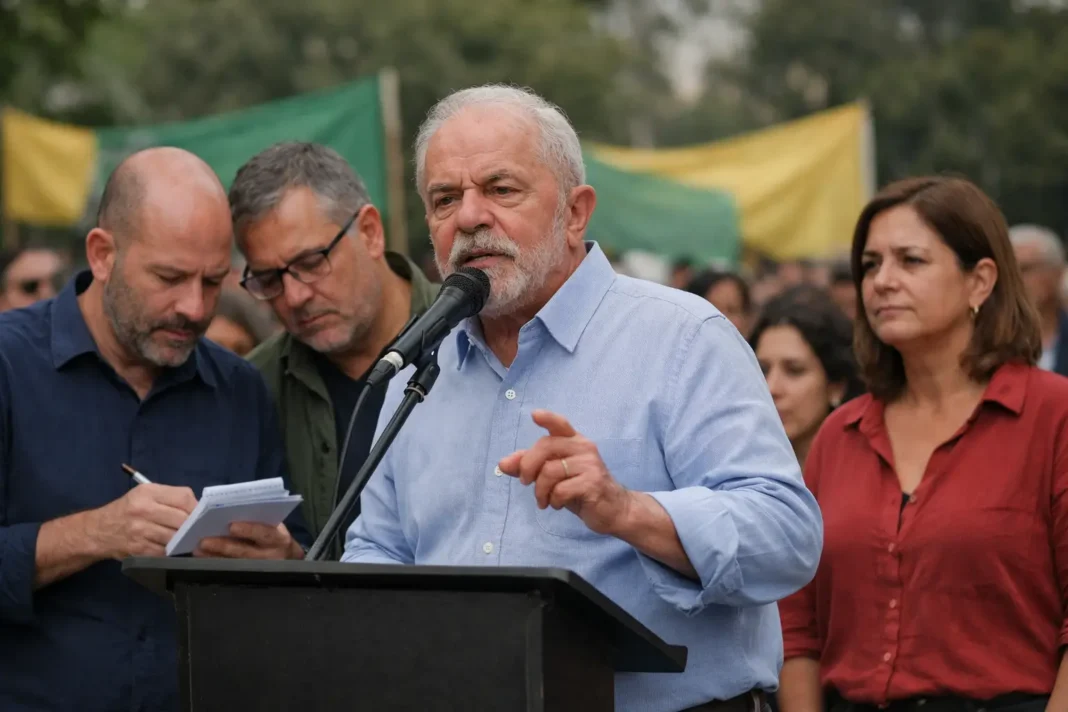
Late on October 4, the first round left the left in Brazil facing an unexpected deficit: Flávio Bolsonaro led the vote count over incumbent Lula, prompting comparisons with Colombia where a narrow right‑leaning victory in June offered a cautionary example. Campaigns and commentators warned that complacency, an inability to expand beyond core supporters and a failure to answer security concerns had cost the left in Bogotá — lessons that soon informed strategic changes in Brasília.
The first adjustment addressed the limits of incumbency. Lula’s team shifted messaging from a defense of past achievements to a direct choice between experienced governance and an opponent without executive record, seeking to reduce the pool of voters unwilling to consider the president. Polling shifts in late October showed measurable movement: in one survey, the proportion of voters saying they would never back Lula dropped from 53% to 47% in a week, while Flávio Bolsonaro saw only a small reduction in his rejection rate, from 54% to 52%.
Second, the campaign moved quickly from overconfidence to active persuasion. A blend of intensified social media output and renewed street mobilization aimed at the millions who abstained or remained undecided proved central. Policy gestures were selected to speak to lower‑middle‑class concerns: steps such as ending a six‑day workweek in certain sectors and measures to renegotiate small business and self‑employed debt were presented as immediate answers to everyday economic strains, rather than abstractions about redistribution.
Security and credibility emerged as the third decisive front. The Lula team contested the right’s hold on law‑and‑order rhetoric by highlighting alleged links and integrity questions attached to their opponent, and transformed fiscal transparency into a public test when the president called for candidates to disclose bank records during a televised debate. The race remained extremely close in the closing days: some polls showed a narrow lead for Bolsonaro while others put the candidates effectively tied, leaving the outcome dependent on turnout and last‑minute persuasion. The comparison with Colombia suggested not a regional tide but a set of tactical failures the left could correct — and whether those corrections suffice would be decided at the ballot box.
