



Road deaths remain one of the world’s most persistent safety failures. In 2025, 1.16 million people were killed in road collisions, equal to 3,178 deaths every day. Up to 50 million others were injured. Those figures place road safety far beyond the boundaries of transport policy, making it a continuing public health challenge with consequences for hospitals, families, employers and local authorities.
The scale of the toll has renewed scrutiny of a familiar response: punish the driver after a crash and treat dangerous behaviour as the central problem. Enforcement remains part of any safety system, but the design of roads shapes how people move, how fast vehicles travel and how much protection exists when mistakes occur. Streets built primarily to keep traffic flowing can leave pedestrians, cyclists and other vulnerable users exposed, particularly where speed, visibility and crossing points are poorly managed.
In the United Kingdom, the debate has particular force because road layouts vary widely between dense urban areas, suburbs and rural routes. A design-led approach does not excuse reckless driving. It asks whether the environment makes severe collisions more likely and whether preventable risk has been accepted as normal. Narrow pavements, hostile junctions, fast traffic near homes and confusing road priorities can all influence behaviour long before any individual offence is committed.
The World Health Organization, which treats road injury prevention as a global safety issue, has long placed emphasis on systems that reduce harm rather than relying only on perfect human behaviour. Its road safety work can be found through the World Health Organization. The underlying principle is simple: people make errors, so streets, vehicles, speeds and rules should be organised to prevent those errors from becoming fatal.
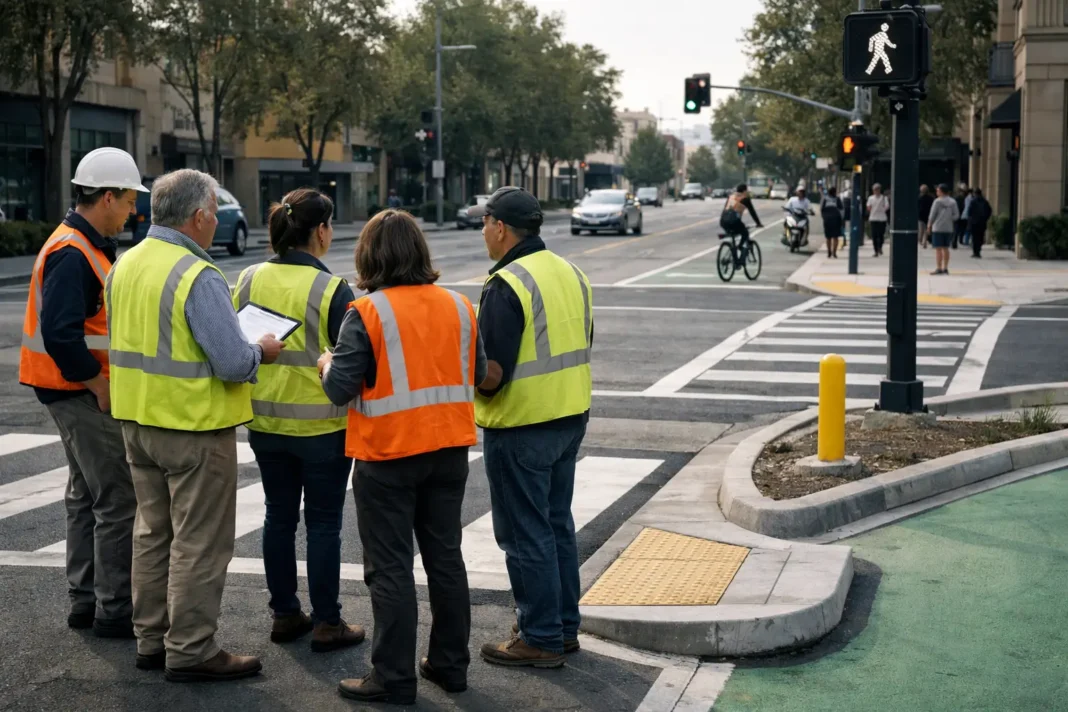
That perspective changes the policy question. Instead of asking only how to identify and punish bad drivers, governments and councils must also examine whether their roads invite risk. Safer design can include clearer crossings, lower speeds where people live and walk, protected space for cyclists and layouts that make dangerous manoeuvres less likely. With more than a million lives lost in a single year worldwide, the evidence points to a wider responsibility: safer roads must be built into the system before the next collision happens.