



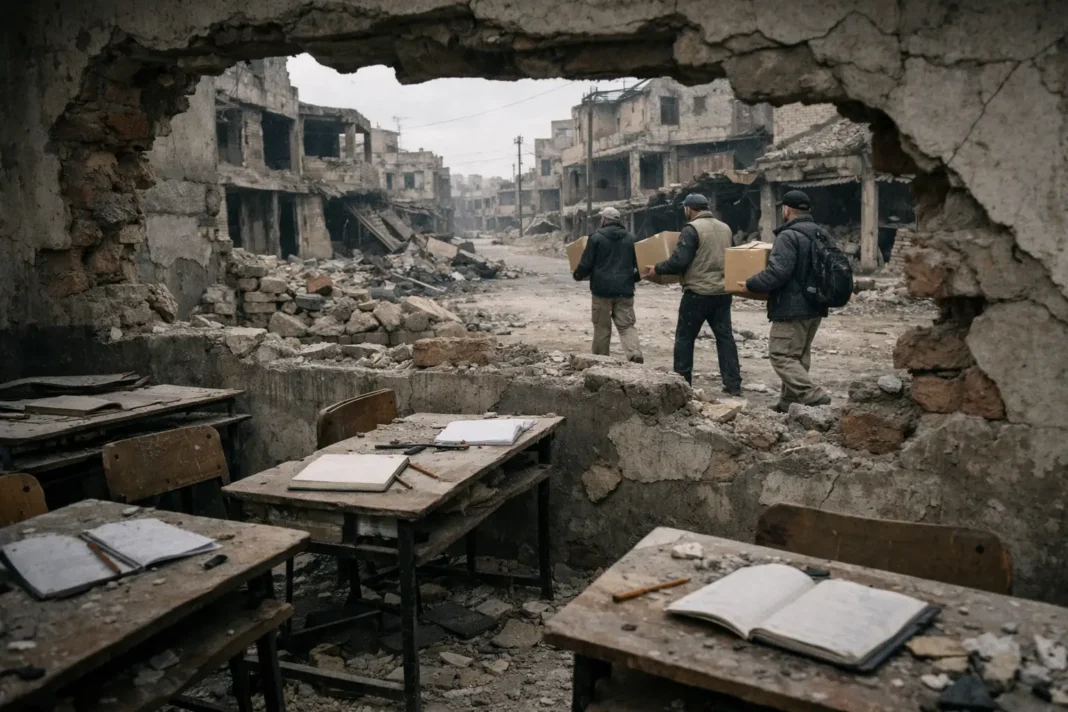
Nearly one in four children is living in areas affected by conflict, a new report by Save the Children warns, highlighting a sharp deterioration in conditions for minors caught in war and instability. The organisation identifies a dramatic rise over the past year in grave violations including the denial of humanitarian access, abductions and sexual violence, pointing to a worsening environment for children already exposed to displacement, insecurity and the collapse of essential services.
The finding places children at the centre of an expanding humanitarian concern. Living in a conflict zone does not only mean exposure to fighting. It can also mean being cut off from food, medicine, education and protection networks. When aid is denied or delayed, the consequences are immediate for families who rely on emergency support, and especially severe for children whose health and safety depend on consistent access to care.
The violations cited by Save the Children reflect risks that extend beyond the battlefield. Abductions remove children from families and communities, while sexual violence leaves lasting physical and psychological harm. The reported increase in these abuses underscores how conflict can erode the safeguards meant to protect minors, including schools, health facilities, family structures and humanitarian corridors. In many settings, insecurity also restricts the ability of aid workers to reach those most in need, deepening the vulnerability of children trapped in affected areas.
The report adds urgency to calls for stronger protection of civilians and unimpeded humanitarian aid. International humanitarian law requires parties to conflict to protect children and allow relief operations to reach civilian populations. Yet the rise in violations described by the organisation suggests a widening gap between legal obligations and conditions on the ground. For governments, armed actors and international institutions, the central challenge remains ensuring that child protection is treated as a core requirement in every conflict response, not as a secondary concern once violence has already escalated.