



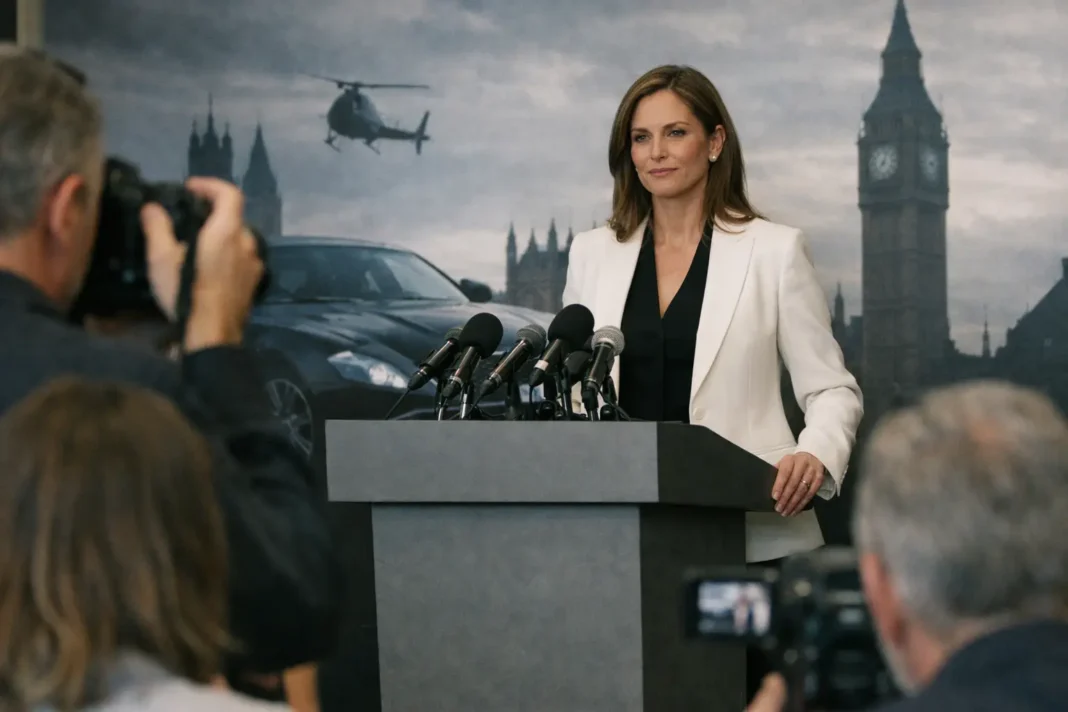
The next Bond debate is no longer limited to the actor who may wear the tuxedo. With Robert Pattinson at the centre of renewed speculation around 007, attention has also turned to the woman who would stand opposite him on screen. The question is not only who might be cast, but whether the familiar label of “Bond girl” can still describe a role that audiences increasingly expect to carry greater narrative weight.
The phrase has long been part of the identity of the James Bond franchise, but it now sits uneasily with changing expectations in cinema. Earlier films often defined female characters through glamour, danger and proximity to Bond. More recent conversations around the series have pushed in a different direction, with commentators arguing that the next leading woman would need a strong identity of her own rather than functioning only as a romantic interest or plot device.
That shift matters because 007 is one of the few film brands whose casting choices are treated as cultural events before production details are even settled. A new Bond lead, whoever is ultimately chosen, brings pressure to recalibrate the tone of the series without severing its connection to decades of recognisable codes. The female lead is central to that balance: she can signal whether the franchise is repeating a formula or adapting it for a different audience. The official James Bond brand remains built on style, espionage and reinvention, and casting will inevitably be read through all three.
The discussion around a possible Pattinson-era 007 also reflects a broader industry pattern. Major franchises increasingly face scrutiny over how they write women in roles that once depended heavily on archetypes. For Bond, the challenge is especially visible because the “Bond girl” label is both instantly recognisable and historically limiting. A character with clearer agency, professional purpose and emotional autonomy would not necessarily reject the series’ traditions; it could make them feel less static.
No official casting decision for such a role has been announced in the material prompting the current debate, and naming contenders would risk turning speculation into certainty. What is clear is that the next woman to share the screen with Bond will be judged by more than star power. The role now carries a symbolic burden: to prove that one of cinema’s most durable franchises can keep its mythology intact while allowing its female characters to be more than accessories to it.