



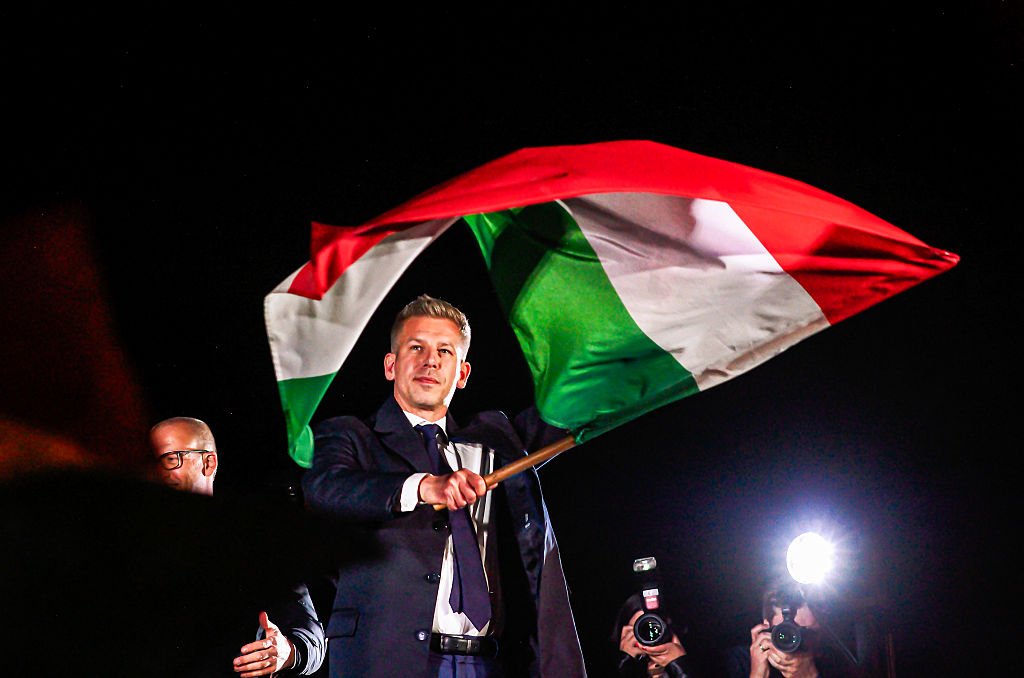

After 16 years in office, a fixture of Europe’s political firmament fell on Sunday. Viktor Orbán’s defeat signifies a seismic shift that tips the balance of power in the bloc and raises hopes that Hungary’s intransigence in EU affairs will fade.
Concerns that the election would fail to give a clear result, or might even be contested, were laid to rest by a resounding victory for Péter Magyar, who secured a two thirds supermajority with almost 80% voter turnout – the highest in the country’s history. Magyar immediately announced plans to remove Orbán loyalists and roll back years of corruption and reset relations with the EU; here are some of the profiles that will be crucial to this.
For his part, Orbán has described a feeling of desolation, for which he has spent most of this week in “work therapy, trying to drive this emptiness out or fill it up.”
And although his departure has stoked optimism for a more unified and effective Union, the course correction won’t be immediate. Most urgently on the question of the €90 billion loan for Ukraine, obstacles must still be addressed before funds can be disbursed. Aware of the existential need to keep Ukraine afloat, Brussels is now putting pressure on G7 partners to accelerate payouts agreed in 2024 but still outstanding in the case of Japan, the UK, and the US.
Meanwhile Ukraine has continued leaning on its expertise in drone warfare, shoring up partnerships not only with Gulf states but also with European allies. A “drone deal” with Italy was proposed this week, to bring technological progress, increased industrial capacity and job creation in both countries – part of a wider push that has unnerved the Kremlin, which warned that such ventures represent a “sharp escalation”.
The week from Euractiv policy desks
Tech – The thorny issue of age verification
The Commission summoned journalists to hear from President Ursula von der Leyen and Tech Commissioner Henna Virkkunen this week on the hot button topic of online child safety. They announced that EU age verification technology, in development since last summer, is now “technically ready”. A standalone app will launch “within weeks”, per officials. Capitals have been pushing for the Commission to move faster on restricting social media for children but although such a move is politically popular, the technicalities of doing this are not entirely resolved.
Key to the EU’s answer is age verification tech, which it claims is privacy-safe. It demoed the app to journalists on Wednesday, as the tech desk’s Anupriya Datta reports. The system can also be integrated into national ID apps, though only seven countries – including France, Spain and Greece – are testing it so far. But Virkkunen also announced a “coordination mechanism” aimed at pushing lagging capitals into faster alignment with an EU-wide approach. – Natasha Lomas
How the EU’s online age-check plans will actually work
Ursula von der Leyen this week proudly announced that the bloc’s age verification app is…
4 minutes
Energy, environment & transport – New crisis, same response
We got a sneak peek this week at the European Commission’s plan, nearly two months in, to finally address the energy price crisis. The EU executive seems determined to use the tried and tested (and so far largely unsuccessful method) of throwing money at the problem – or at least giving EU governments permission to throw our money at it. A leaked draft of a communication the Commission plans to present next Wednesday acknowledges that the bloc would be better off if it had more renewable power and relied less on oil and gas imports. But it “goes much further than the current state aid rules” in allowing governments to subsidise energy bills, one analyst noted. – Robert Hodgson
Brussels pitches state subsidy bonanza to combat Iran war energy shock
The European Commission is considering providing sweeping government subsidies to European businesses, as Brussels races…
3 minutes

Health – Hungary’s new minister arrives with a spring in his step
A video of incoming Hungarian health minister Zsolt Hegedűs dancing, playing air guitar and doing body waves at his party’s election‑night celebration went viral, making him one of the most talked‑about figures even before taking office. Now the orthopaedic specialist with three decades of medical experience is set to lead Hungary’s first standalone Health Ministry since 2010. Hegedűs is part of a wave of healthcare professionals who joined the Tisza party after leader Péter Magyar made health reform central to his campaign, pledging to overhaul the strained system and restore an independent ministry long viewed by experts as essential. – Brenda Strohmaier
Hungary’s first health minister since 2010 dances into office
For the first time since 2010, Hungary will once again aim to have a standalone…
3 minutes
Agri – The never-ending saga of gene-edited crops
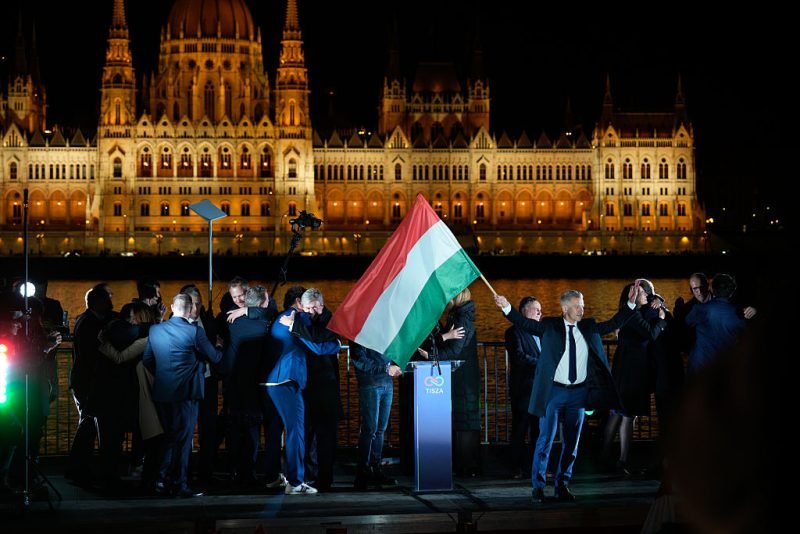
As new EU rules on biotech plants near the finish line, MEPs of the S&D group are banking on last‑minute patentability curbs that could throw the long-stalled file back into question. Next Tuesday, ministers are expected to formally endorse the political agreement with the Parliament to relax rules on plants developed using new genomic techniques (NGTs), such as gene-editing. MEP Christophe Clergeau, the S&D lead negotiator on the file, is preparing amendments to revise the agreed provisions on patentability, Maria Simon Arboleas and Sofia Sanchez Manzanaro report. – Angelo Di Mambro
Socialists plot to reopen deal on gene-edited crops
As new EU rules on biotech plants near the finish line, MEPs of the S&D…
4 minutes

Defence – MEPs and member states prepare for clash on military mobility
Europe needs to move faster on military mobility, parliamentary rapporteur Roberts Zīle told Euractiv, calling for the measures initially tabled by the Commission to ensure fast movement of troops and equipment across the bloc to be brought forward. Key sticking points between MEPs and member states in upcoming negotiations will be over the emergency mechanism, notably how long countries will have to respond to such a request and what they will allow to pass through their border. – Alice Tidey
MEPs push to fast-track EU military mobility amid clash with Council
Europe needs to move faster on military mobility, parliamentary rapporteur Roberts Zīle told Euractiv, calling…
3 minutes

Source:
www.euractiv.com