




See All Key Ideas
JAKARTA, Indonesia – Customs and excise investigators in Jakarta continue to trace the origin of more than 3 metric tons of pangolin scales found in late February inside a shipping container at Indonesia’s largest port.
“This is still under investigation,” Suhartoyo, a lead customs investigator at Tanjung Priok Port told Mongabay Indonesia, adding that evidence in the case remained in the container storage area in early April.
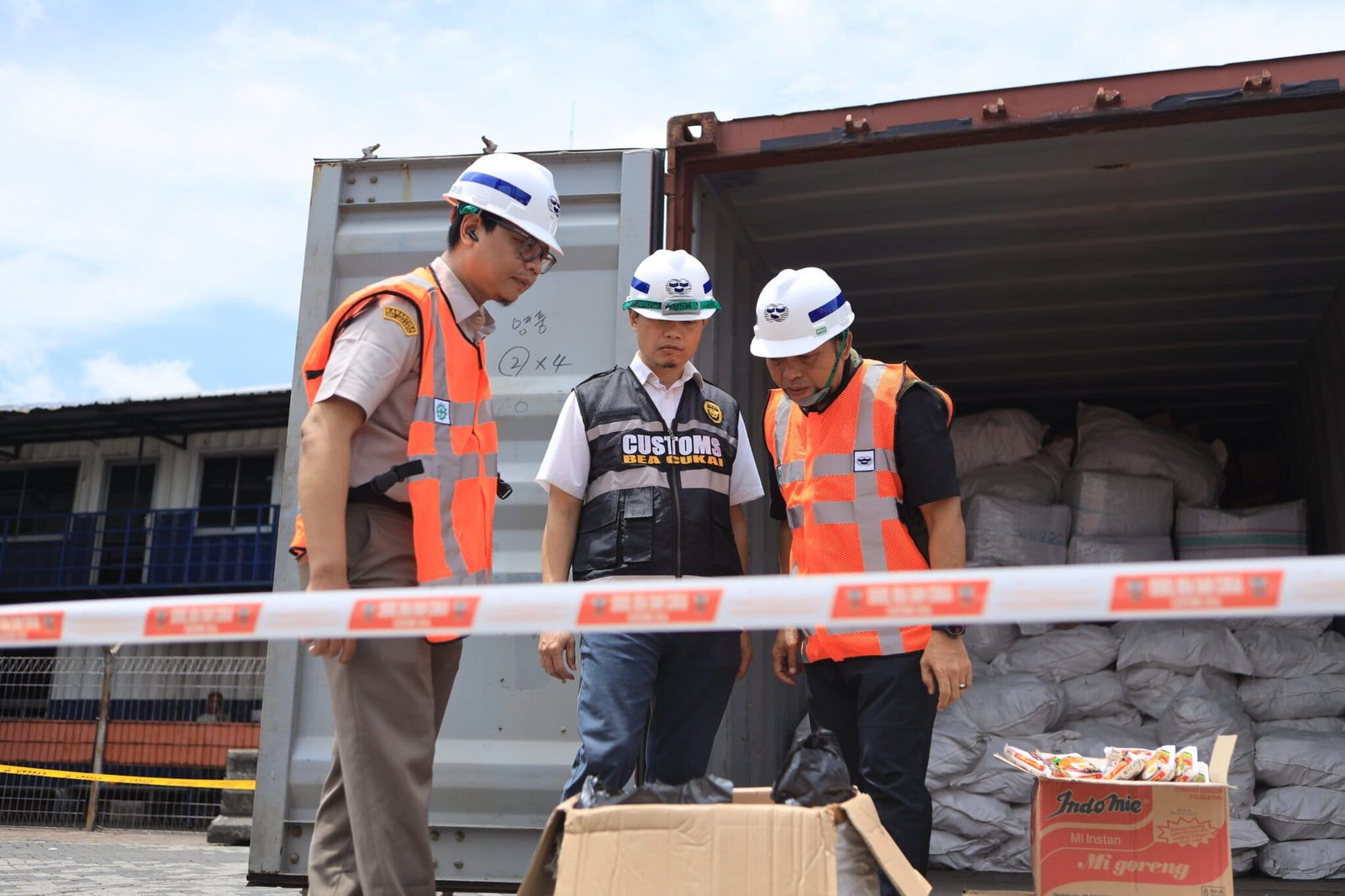
On Feb. 18, customs officials at Tanjung Priok inspected a container declared as sea cucumbers and instant noodles, but found more than 3 metric tons of dried pangolin scales concealed in 99 boxes — an illicit haul valued at more than $10 million.
Pangolins are insectivores clad entirely by scales made from keratin, the same protein as human hair and nails. These scales are prized by traditional healers in China and Vietnam, despite no scientific evidence that consuming them has any health benefits.
All eight known species of pangolin in Africa and Asia are listed as threatened on the Red List maintained by the IUCN, the global wildlife conservation authority.
Investigators remain focused on the company identified as the exporter of the shipping container, PT Temu Satu Rasa (TSR), as well as a company that may have provided customs clearance services.
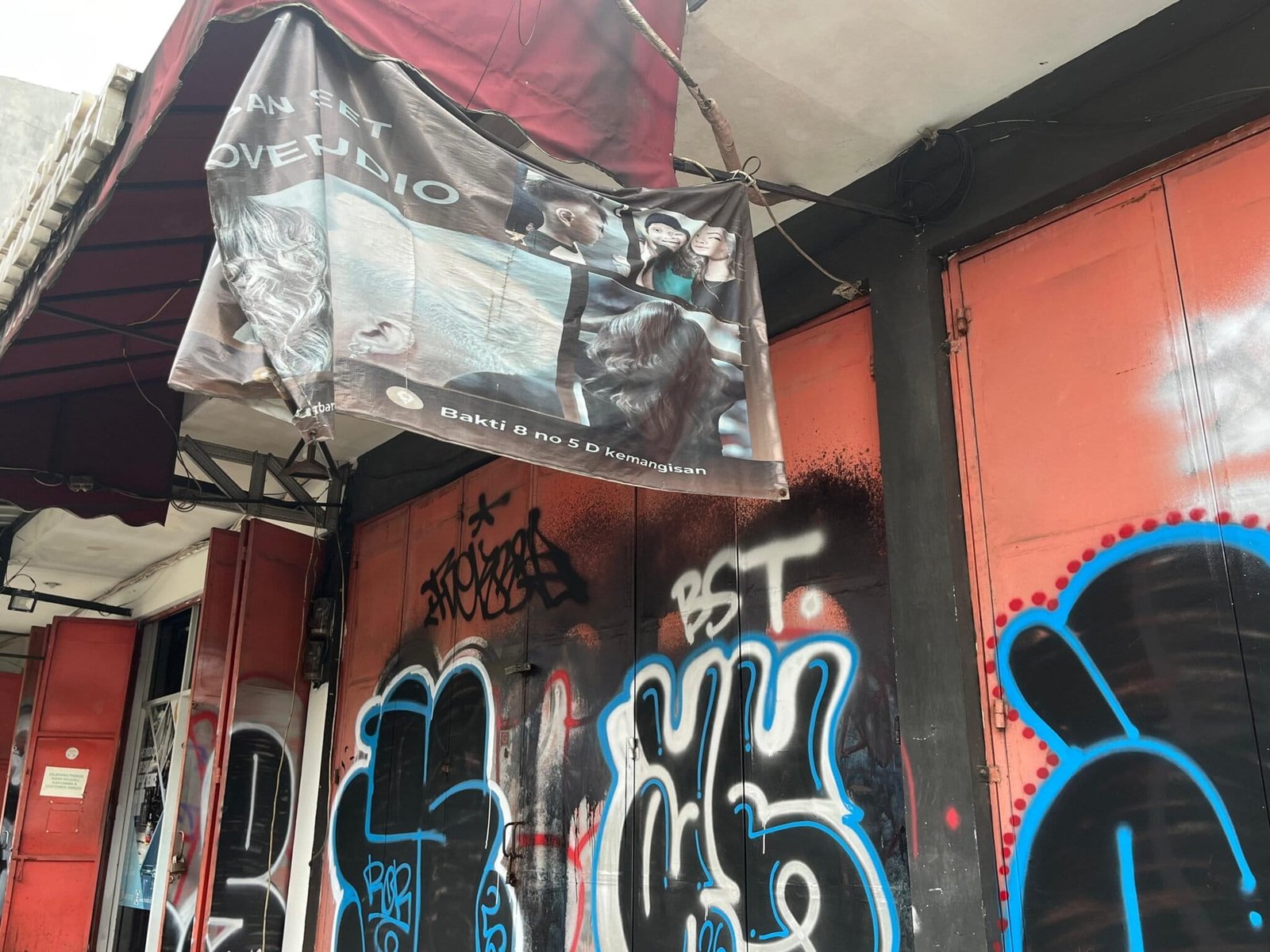
A review of corporate records held by the Directorate General of General Legal Administration showed TSR was registered to address in the west of Jakarta, the capital city, in January. Mongabay Indonesia visited this address by a minimart on a busy street, but could find no presence of TSR.
Two phone numbers associated with the company, one a contact number registered with the Ministry of Law, appeared inactive. Persons associated with company could not be reached for comment.
Other law enforcement institutions are contributing to the investigation, said Solu Batara, at the Ministry of Environment’s law enforcement division, known as Gakkum.
“Primary authority rests with Customs and Excise, as this case also involves customs crimes,” Solu said. “However, at Gakkum we’ll take action on violations pursuant to conservation and natural resources, as pangolins are protected species.”
Bambang Ari Wibowo, an investigator with the Ministry of Forestry, said aspects of the case suggested the involvement of organized crime. That could enable prosecutors to press for more punitive custodial and financial penalties, he said, which were strengthened recently under a 2024 revision to Indonesia’s 1990 conservation law.
“The emergence of shell companies, intermediaries, fictitious companies with invalid addresses, and middlemen operating in closed cells, shows that the modus operandi of this crime is increasingly sophisticated, organized and structured,” said Annisa Rahmawati, co-director at wildlife nonprofit Geopix.
New pangolin raids
As customs investigators pursued the case at Indonesia’s largest port, police and military units across the archipelago continued to intercept pangolin scales through April.
The operations spanned small caches linked to oil palm workers in Sumatra, to a suspected multimillion-dollar raid aboard a Vietnam-flagged vessel off the main island of Java.
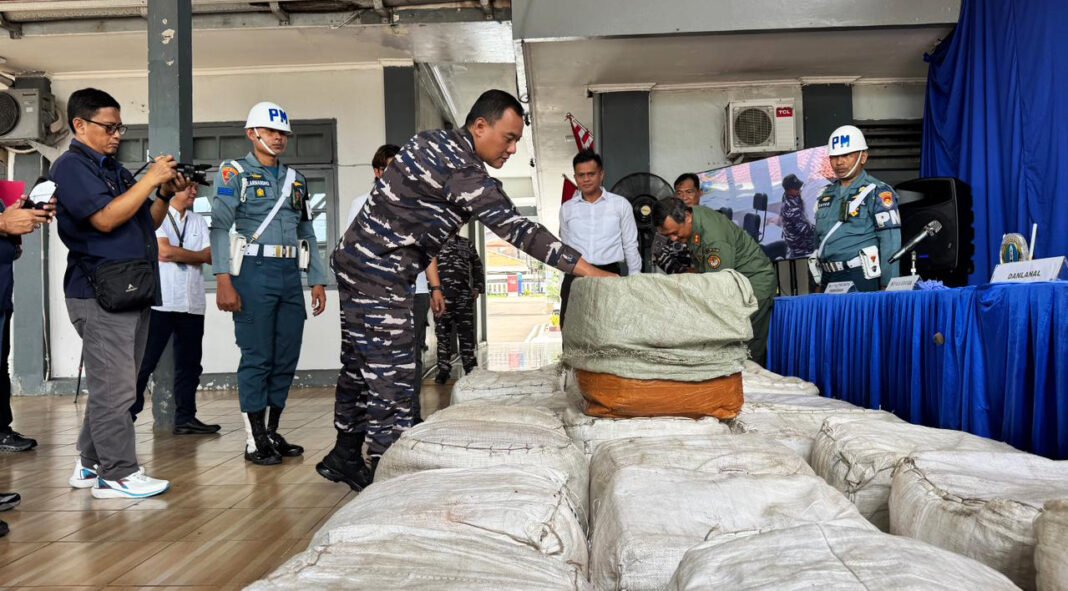
On April 7, the Indonesian Navy uncovered 780 kilograms (1,720 pounds) of pangolin scales on the MV Hoi An 8, near Merak, a port that links Java with the neighboring island of Sumatra.
Documents stated the Vietnamese-flagged boat was carrying 2,735 metric tons of steel coil.
Authorities have suggested the presence of pangolin scales on the MV Hoi An 8 may have followed a transshipment at sea, a common mode of smuggling. Fourteen crew members were detained.
A week later, police arrested two men with 4.7 kg (10.4 lbs) of pangolin scales at a house in Muaro Jambi district, on the island of Sumatra.
Robby Nizar, a detective with the district police, said the two suspects, aged 28 and 32, were alleged to have been involved in hunting pangolins while working on oil palm plantations in the neighboring district of Batang Hari. Both districts are in Jambi province.
The scales, likely from around 20 dead animals, could have fetched up to 287 million rupiah (around $16,700). Workers on palm plantations in Sumatra typically earn just a few hundred dollars per month.
“There has to be rigor and bravery to uncover the perpetrators and their networks all the way up to the main perpetrators,” said Geopix’s Annisa.
Banner image: Lanal Banten (Banten Navy Base) displays hundreds of kilograms of pangolin scales seized from a Vietnamese-flagged vessel. Image courtesy of Lanal Banten.
This story was first published here in Indonesian on April 9, 2026.
Jakarta port authorities seize 3 tons of pangolin scales in Cambodia-bound container

Source:
news.mongabay.com