



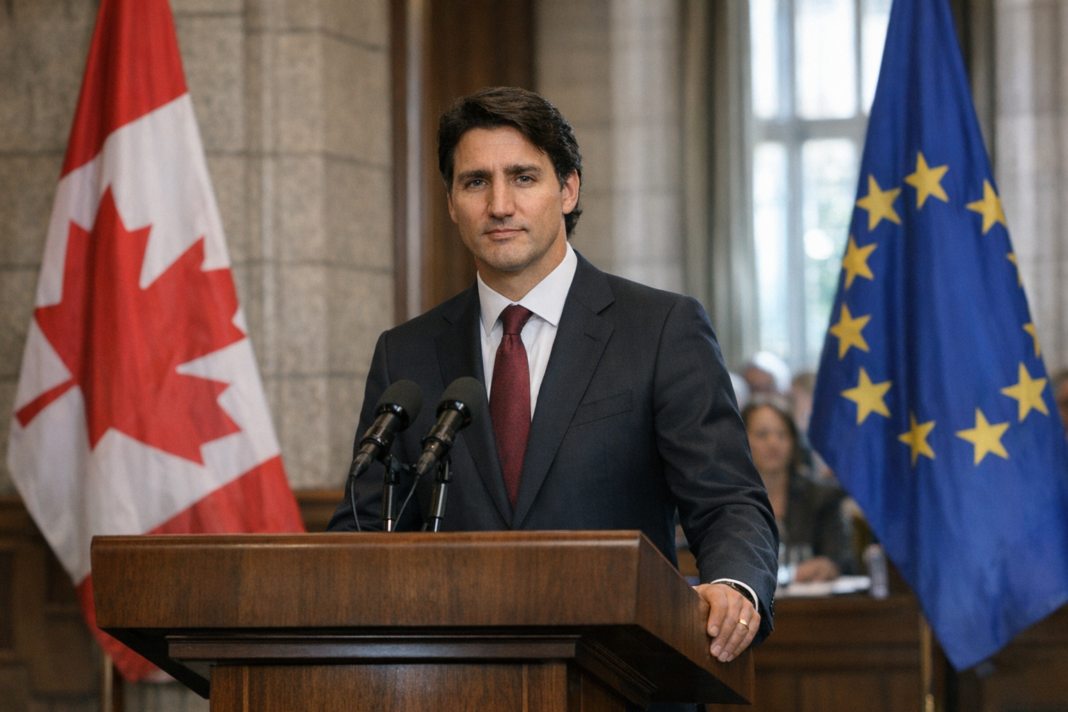
Canada explores EU options after a public announcement by Mark Carney that the country will seek a novel form of associate status with the European Union. The proposal has received a positive reception from Ursula von der Leyen of the European Commission, pushing the idea from concept into an early stage of diplomatic discussion.
Advocates frame the move as a strategic response to recent strains in relations with the United States, where trade talks and bilateral demands have heightened concerns in Ottawa about sovereignty and economic dependency. Pursuing closer institutional ties with European democracies would aim to diversify Canada’s security and economic partnerships and to reinforce shared commitments among like-minded states.
The pathway to an associate relationship raises immediate legal and political questions. European integration involves pooled decision-making and regulatory alignment, trade-offs that became visible during the United Kingdom’s exit from the EU. Any arrangement for Canada would need to define the scope of participation in single-market rules, customs, and joint policymaking, while preserving Canada’s existing trade ties and obligations.
Beyond Europe, Ottawa must balance this western tilt with longstanding and growing connections across the Pacific. The Pacific Rim remains a crucial source of trade and investment for Canada, and relationships with Asia-Pacific democracies will be central to Ottawa’s broader diversification strategy. Harmonization with EU standards could complicate trade relations with partners in the region and with the United States, requiring careful calibration.
The proposal marks a notable shift in Canada’s diplomatic positioning, seeking deeper institutional bonds with Europe as part of a broader effort to safeguard national interests. Next steps will involve detailed negotiations on the legal form and practical implications of any associate arrangement, while Ottawa weighs the economic and political costs against the potential security and diplomatic benefits of closer alignment with the EU and other democratic partners.