



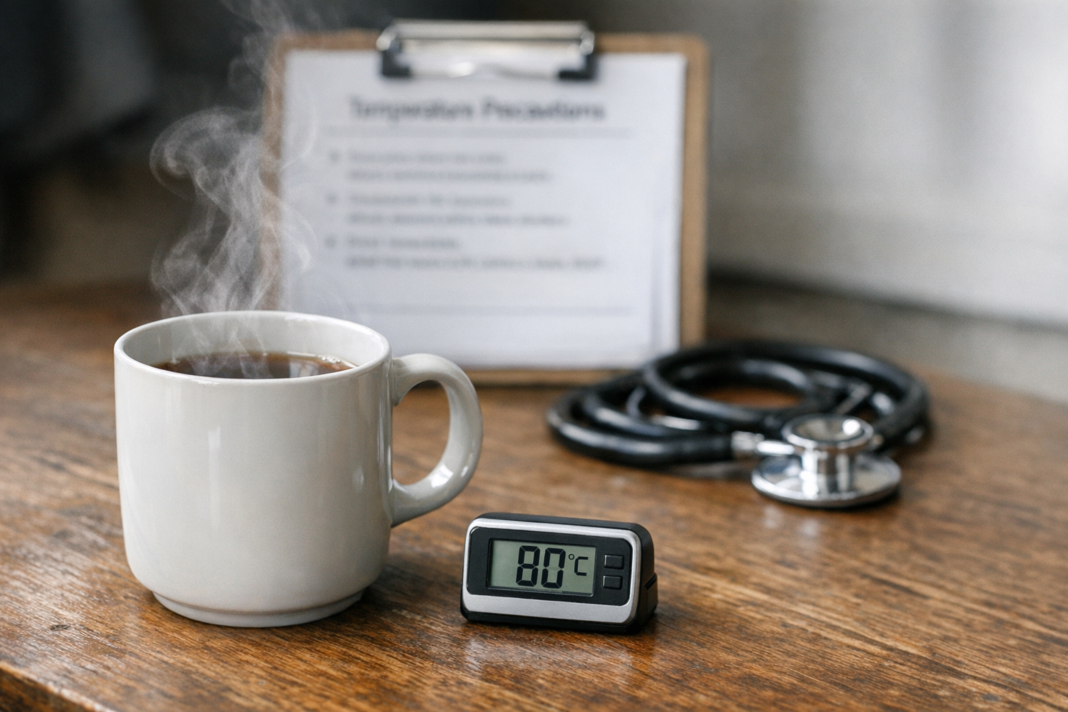
Steaming hot liquids have the potential to damage the delicate cell lining that runs from the mouth to the stomach, medical specialists say. Clinical concern focuses on repeated thermal injury to the esophagus, where scalding beverages can cause inflammation and delayed healing. Common hot drinks such as tea, coffee and broth are cited in discussions about exposure, though risk depends on how frequently and at what temperature they are consumed.
Thermal damage is characterised by surface injury to the mucosa and a local inflammatory response. Over time, persistent irritation and cycles of damage and repair are considered a factor that can alter normal tissue behaviour and elevate the chance of malignant change in some patients. Observational studies and pathology reports describe this pathway as one plausible mechanism linking very hot beverages with higher rates of cancer in the upper digestive tract, without implying an immediate effect from a single exposure.
The issue carries public-health relevance because hot drinks are consumed worldwide and cultural habits affect typical serving temperatures. For clinicians, awareness of thermal injury as a potential contributor to oesophageal disease may inform patient discussions and diagnostic thinking. For the general public, reducing intake temperature or allowing drinks to cool before swallowing are practical steps that limit direct heat exposure to the lining of the throat and food pipe.
International health authorities and research groups have examined the association between beverage temperature and cancer risk and encouraged further study to refine guidance. Health agencies continue to review available evidence while advising caution around very hot liquids. For broader context on international assessments, see World Health Organization resources and national health guidance on safe consumption practices.