



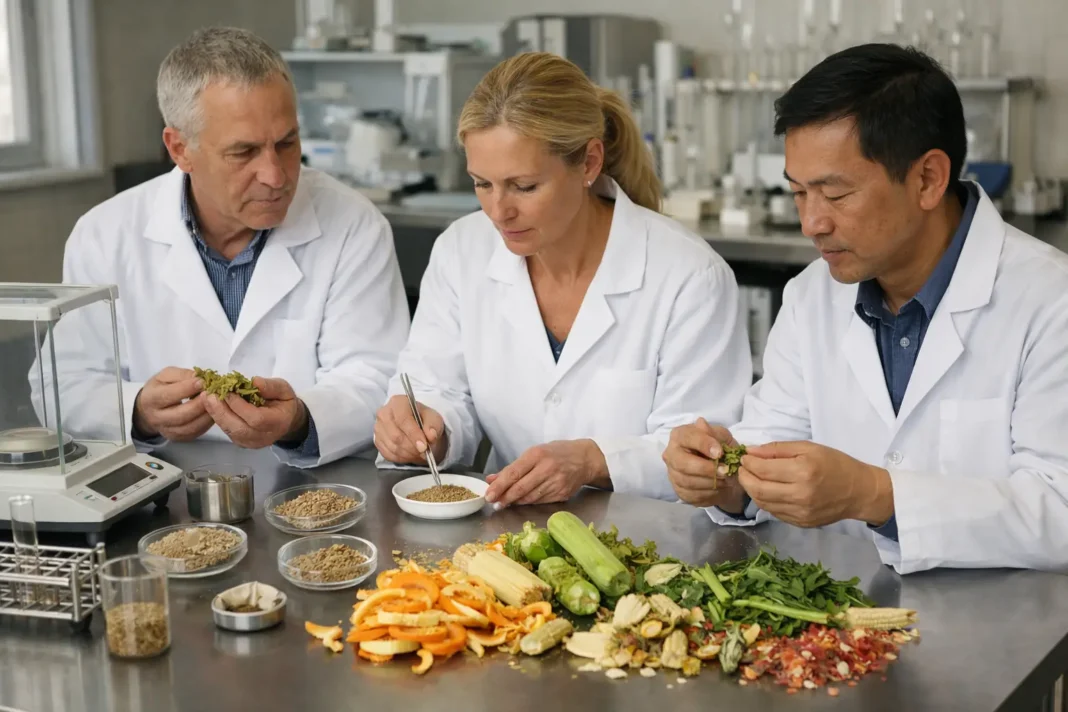
Vegetable peelings and stalks are being recast by food scientists as more than kitchen leftovers. Edible skins, seeds and stems from vegetables can contain valuable fibre, a component of plant-based foods that is often removed before cooking or serving. The message is simple but practical: some of what ends up in household bins may still have nutritional value.
The point matters because fibre is a central part of nutrition, yet many diets rely heavily on refined or peeled ingredients. Fibre helps add bulk to meals and is associated with digestive health as part of a balanced diet. The World Health Organization promotes diets rich in plant foods, including vegetables, fruit, legumes and whole grains, as part of healthy eating patterns.
Using more of a vegetable can also reduce avoidable food waste. Skins, seeds and stalks are frequently discarded for reasons of habit, texture or presentation rather than necessity. Food scientists argue that, where the parts are edible and properly prepared, they can be incorporated into everyday cooking instead of being treated automatically as refuse. The approach does not require a change in diet so much as a change in how ingredients are handled.
Food safety remains important. Not every discarded part of a plant is suitable to eat, and damaged or contaminated pieces should not be used. Vegetables should be cleaned carefully, and preparation should reflect the ingredient involved. The advice is not to consume all scraps indiscriminately, but to recognise that some common offcuts still belong in the kitchen rather than the bin.
The growing interest in edible offcuts connects two public concerns: healthier eating and more efficient use of food. For households, the potential benefit lies in small, repeatable choices, such as retaining suitable skins or using tender stalks when cooking vegetables. For the wider food system, it reinforces a broader idea gaining ground among scientists and consumers: nutritional value is sometimes lost before a meal even reaches the plate.