



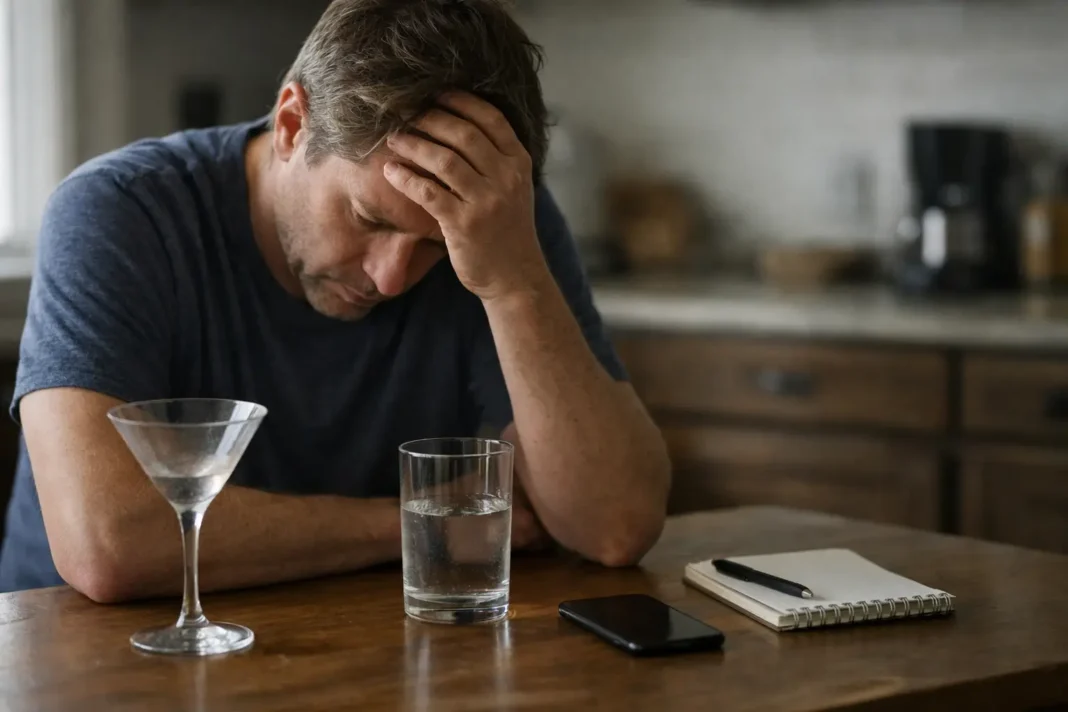
Hangxiety is real, a common label for the anxious feelings many people report after a night of drinking. The sensation can range from mild unease to intense panic the morning after alcohol consumption. Researchers and clinicians use the term to describe transient anxiety tied to the physiological and psychological aftermath of drinking rather than a distinct clinical diagnosis.
Biological processes play a central role. Alcohol acts on brain chemistry to enhance inhibitory signaling while it is present, but as blood alcohol levels fall the brain undergoes a rebound effect that alters neurotransmitter balance. Sleep disruption, dehydration and low blood sugar that frequently accompany heavy drinking further strain the nervous system and can amplify symptoms such as a racing heart, shakiness and heightened worry—common features of anxiety.
Psychological factors also contribute. Worry about behaviour while intoxicated, regret over decisions and concern about social consequences can fuel ruminative thinking the next day. For people who use alcohol as a short-term coping strategy for stress, removing the depressant effect overnight may expose underlying anxiety, producing a cycle in which drinking appears to relieve symptoms temporarily but worsens them over time. Scientific literature describes a bidirectional relationship between alcohol use and anxiety disorders, underscoring how patterns of consumption and mood interact.
Practical responses focus on addressing immediate physiological needs and monitoring symptom severity. Rehydration, adequate nutrition and restorative sleep can reduce physical triggers of post-drink anxiety. Avoiding further alcohol and practising calming routines may help short-term symptoms; if anxiety is severe, prolonged or accompanied by suicidal thoughts, urgent medical attention is necessary. For guidance on alcohol-related harms and support options consult NHS. Recognising recurring hangxiety as a signal to review drinking habits can prompt timely conversations with healthcare professionals about longer-term strategies for wellbeing.
