



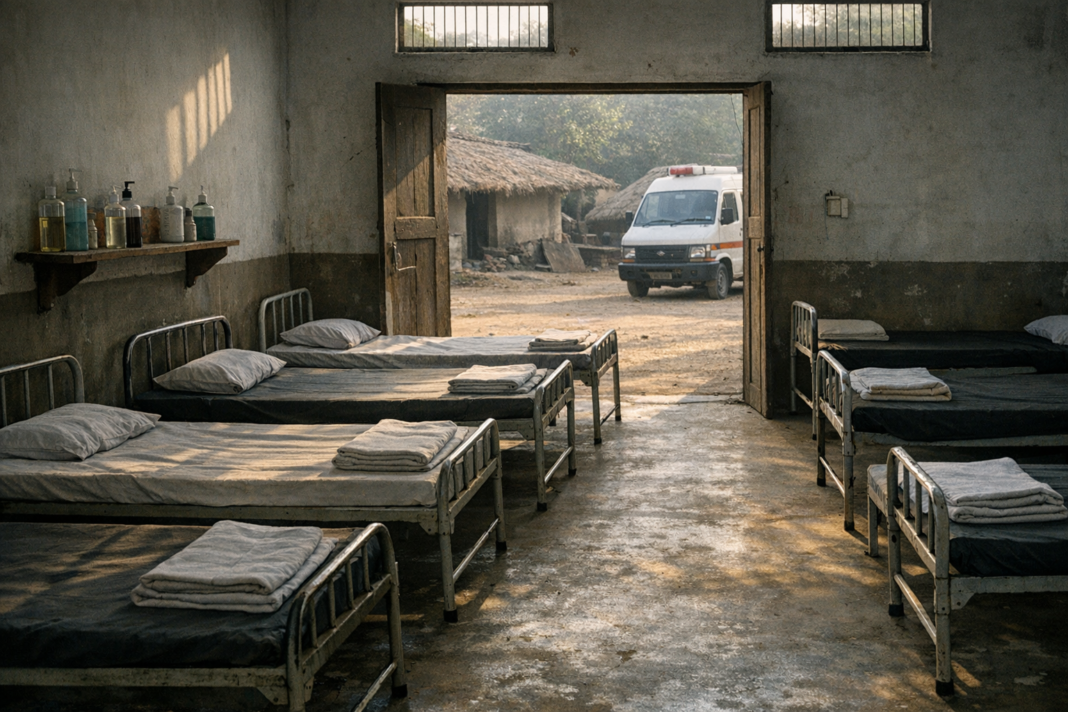
Balaghat district in India has recorded the deaths of at least 32 children since May, local authorities report, as simultaneous outbreaks of measles and malaria spread through the remote tribal areas of the district. The fatalities have drawn attention to persistent public health challenges in this part of Madhya Pradesh, where geography and limited infrastructure complicate access to routine care.
The illnesses involved — a vaccine-preventable viral disease and a parasitic infection transmitted by mosquitoes — are both recognised globally as major causes of childhood morbidity and mortality when prevention and treatment services are weak. International and national health guidance emphasises timely immunisation, early diagnosis, antimalarial treatment and vector control as core responses; for broader information see World Health Organization and Ministry of Health and Family Welfare.
The cluster of child deaths in Balaghat has placed strain on local health facilities and prompted public health activity in the district, where tribal communities often face long distances to clinics and uneven supply chains for vaccines and medicines. Health officials have been monitoring case numbers and outbreak patterns while health workers engage in diagnosis and treatment; the immediate priority remains reducing further loss of life among children.
Experts say the events underline the importance of sustained investment in routine immunisation, community-level surveillance and rapid response capacity in hard-to-reach areas. The current situation in Balaghat highlights wider issues for regional public health planning, including the need to strengthen prevention, ensure consistent delivery of essential services and improve outreach to vulnerable populations to prevent similar tragedies.
