



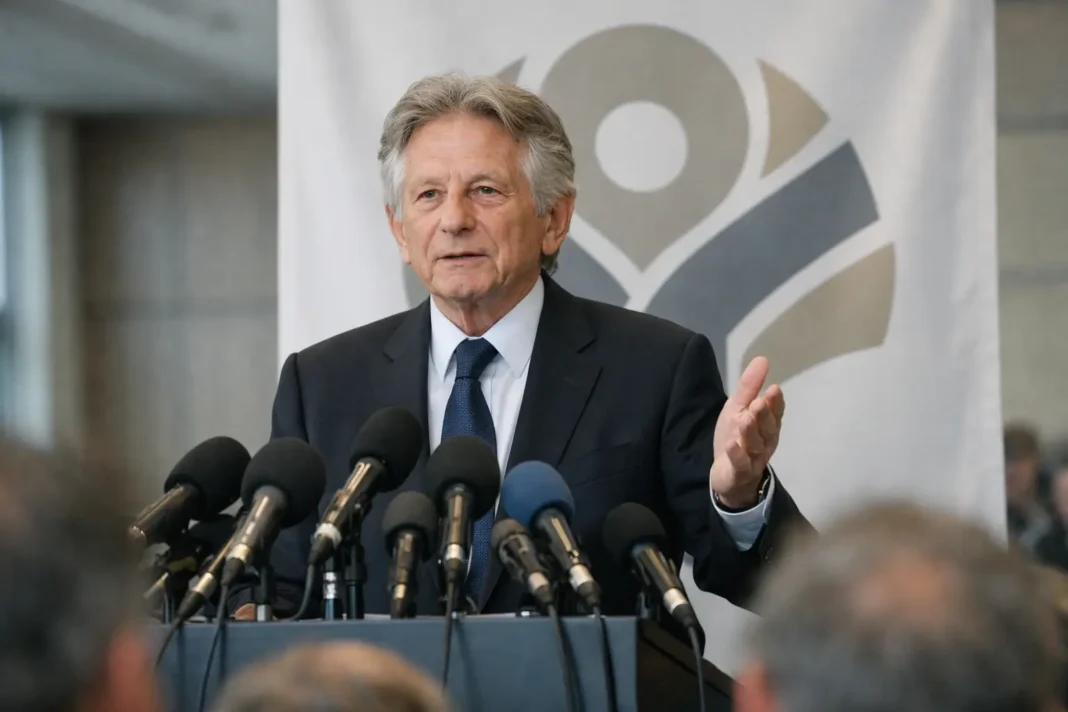
Polanski defends leadership amid criticism following a members’ motion that described Zionism as a form of racism and a disappointing result in a recent by-election. The episode has placed the leader of the Green Party at the centre of an internal dispute over how the organisation should handle contested political and identity issues.
Members of the party passed the motion at a recent gathering, asserting that Zionism qualifies as a racist ideology. The leader’s response to that resolution drew criticism from within the party membership and from external commentators who questioned whether his handling of the matter adequately addressed concerns raised by different party constituencies.
The by-election loss has been flagged by critics as compounding the leadership challenge, with some observers linking electoral performance to party cohesion on sensitive topics. Party figures and members have voiced differing views on whether a membership-led motion should guide public messaging or whether leadership intervention is required to clarify policy and public stance.
Analysts note the incident underscores a broader tension faced by parties that balance grassroots decision-making with the need for consistent public positions on issues that intersect with identity, international politics and allegations of discrimination. The interplay between member motions and leadership responses has highlighted procedural and reputational questions that the party will need to manage as it responds to internal dissent and external scrutiny.
Polanski has publicly defended his record and decisions while critics continue to press for clearer direction from the party leadership. The controversy remains active within party forums and among observers tracking how internal governance and electoral setbacks influence future strategy and public perceptions.